Nature Landscaping
Nature Landscaping or Ecological landscaping is defined by understanding the ecology of an outdoor space, that might be a garden, field, woodland, wetland, or an urban estate, then designing and creating areas that enhance the surrounding environment, for the benefit of humans and wildlife, working with nature, not against it. Lost Habitat aim to protect and restore degraded landscapes, making communities even better places, enhancing your outdoor space, by bringing nature closer to you, and helping everyone to understand the true value of nature.
More often than not, building and construction can negatively impact ecosystems, for example, disturbed soil releases carbon and pollutants, the removal of trees, shrubs and watercourses destroy habitat, barriers such as roads and fences prevent natural corridors for migration, and these continually and negatively affect biodiversity.
Lost Habitat aims to provide clients with quality of life and human health with ecological landscaping methods utilising practical, mutually beneficial practices and techniques to ensure natural equilibrium with nature and humans, balancing and conserving biodiversity, and protecting our environment in a sustainable way by creating more diverse and naturally beautiful landscapes, improving air, water and soil quality, mitigating impacts of climate change, improving tree cover, protecting natural resources, restoring and protecting native biodiversity.
Lost Habitat will help with rewilding your outdoor space with techniques that include planting native trees and shrubs, and wildflowers & grasses using genuine wildflower and grass seeds from Britain, making them pertinent for survival of the local climate, and beneficial for wildlife. We aim to use environmentally friendly materials, and from site where possible, working sustainably, to achieve aesthetic structure, mirroring naturally occurring landscapes creating and providing pleasant variations of colours, smells, sounds and textures.
Costs are reduced from long-term maintenance and energy used for maintenance of ecologically landscaped gardens due to reliable growth, and survival rates of using native plants, shrubs, and trees, with species better suited for natural filtration and infiltration of heavy rains, conserving water.
Wildlife Steppingstones & Corridors
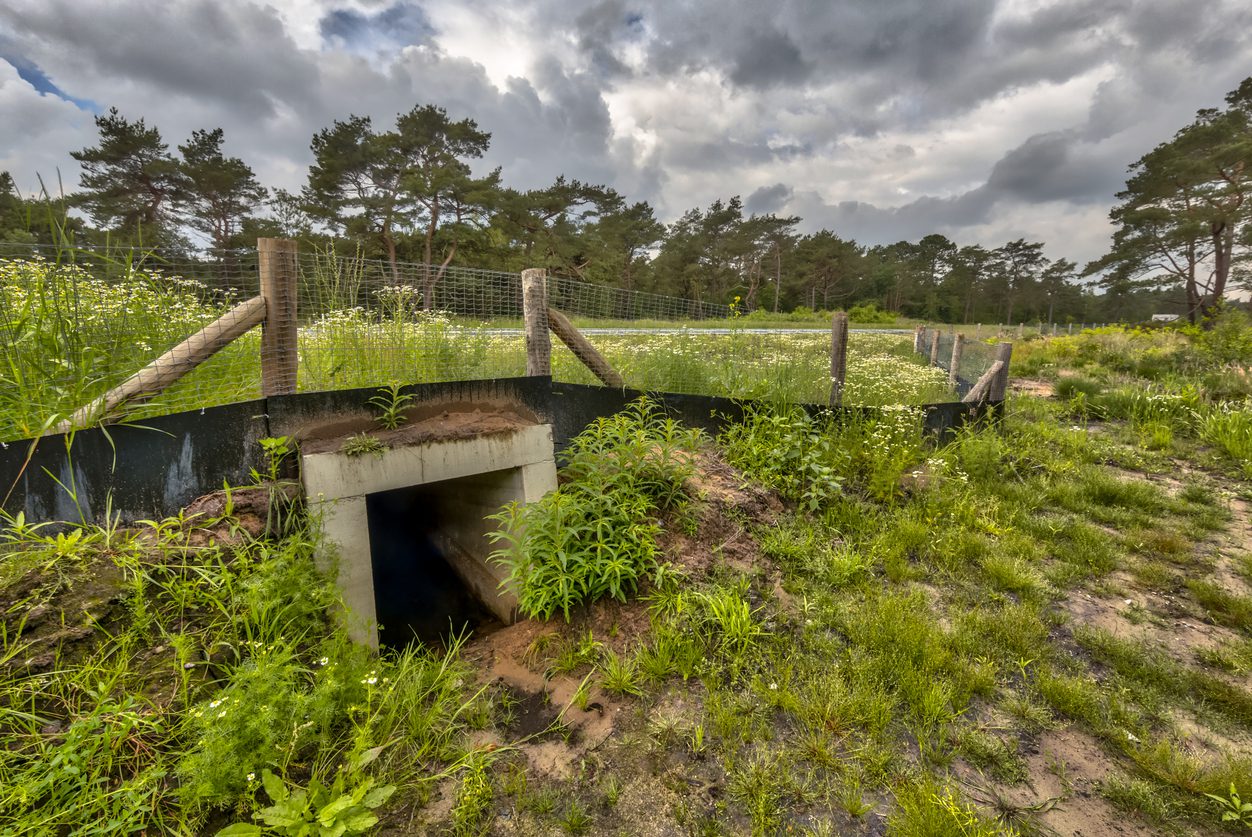
Habitat fragmentation caused from clearing areas of vegetation often results in species isolation, decline and even extinction across landscapes, reducing ecosystem viability. Lost Habitat can protect and restore environmentally important connections between areas of land utilising rewilding techniques, creating natural steppingstones and corridors allowing free movement of birds, reptiles, mammals, amphibians, and invertebrates. By allowing species to colonise within patches of vegetation, enabling natural exchange of genes between wildlife populations and maintaining species richness, helps to sustain ecosystem function and natural processes such as pollination.
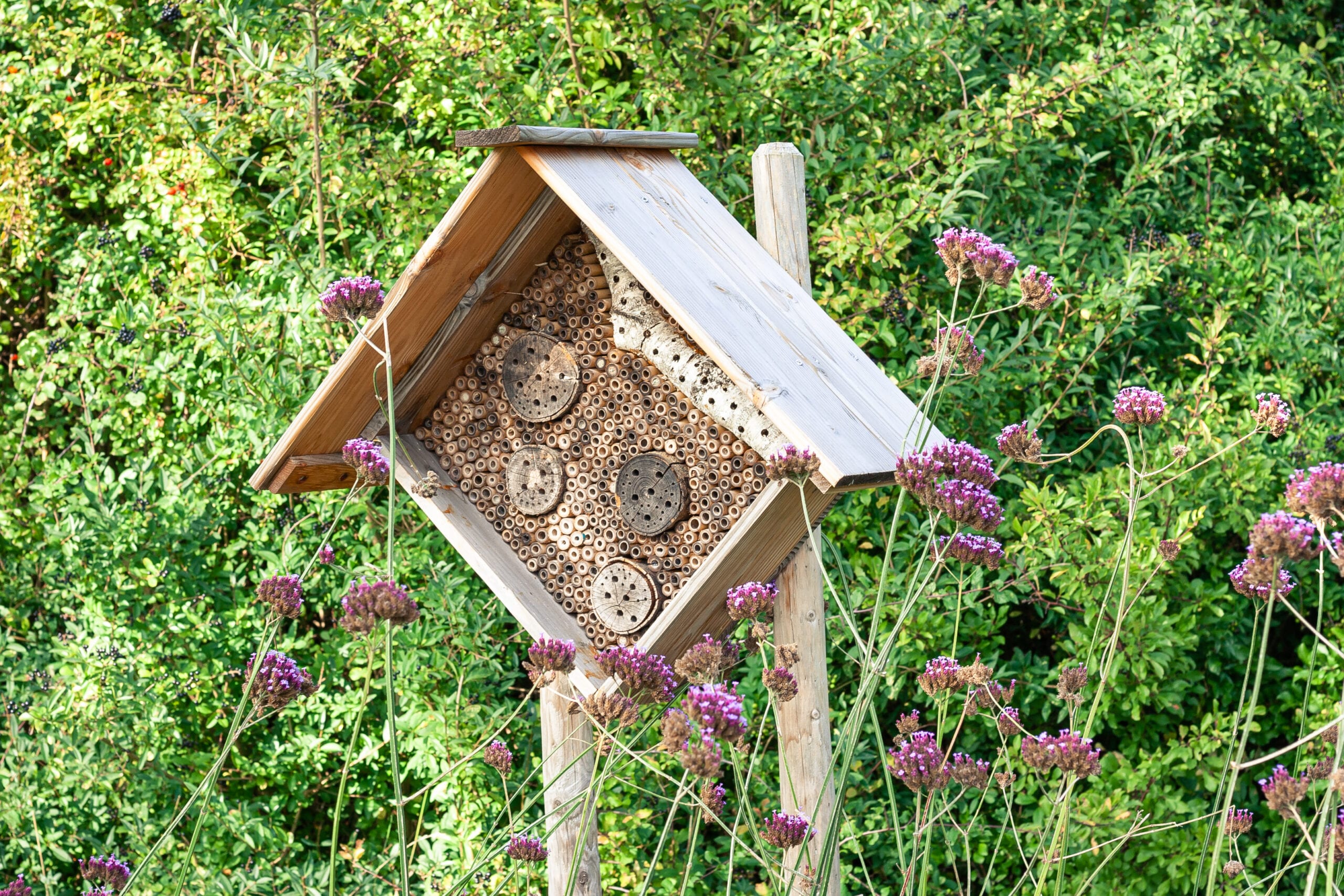
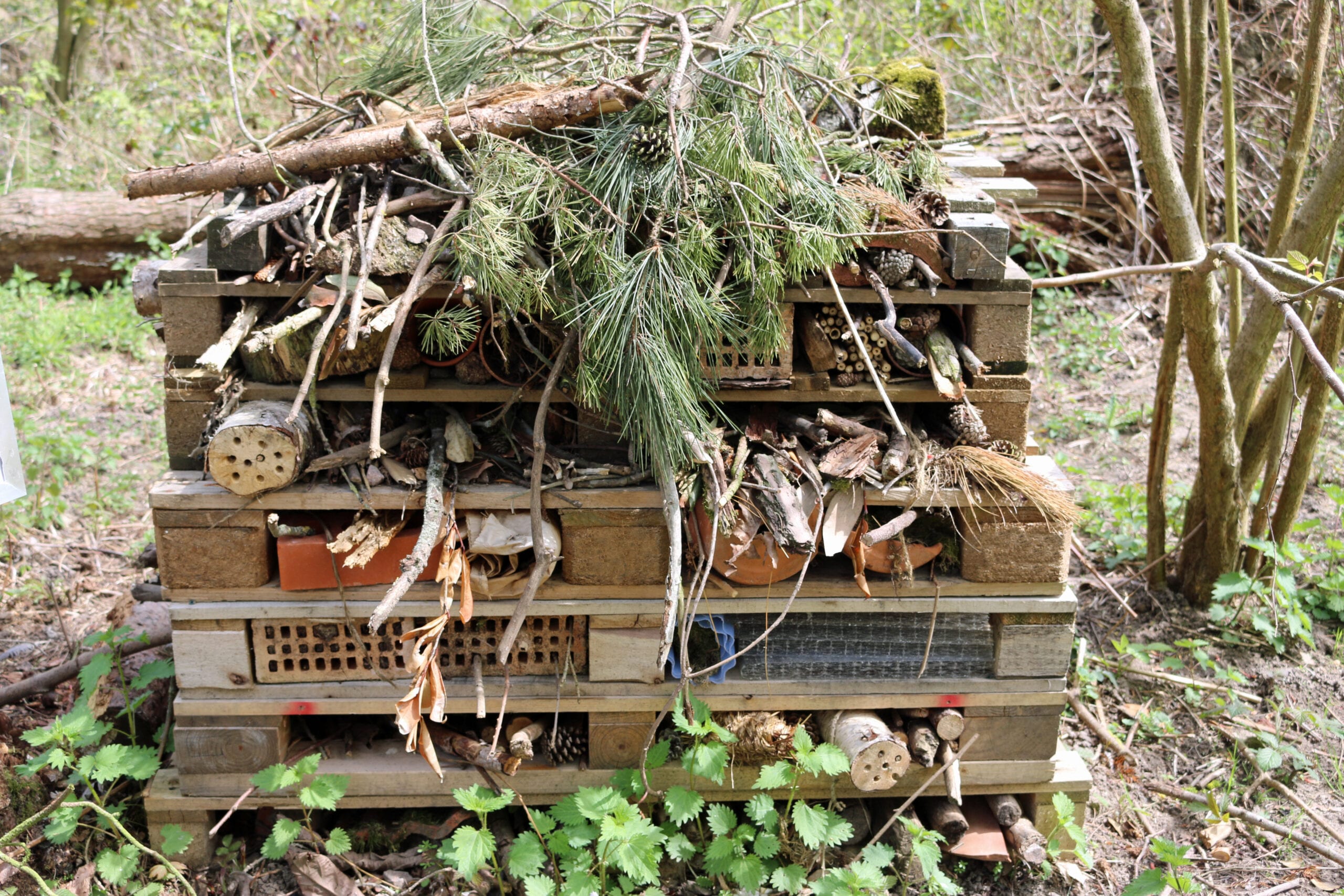
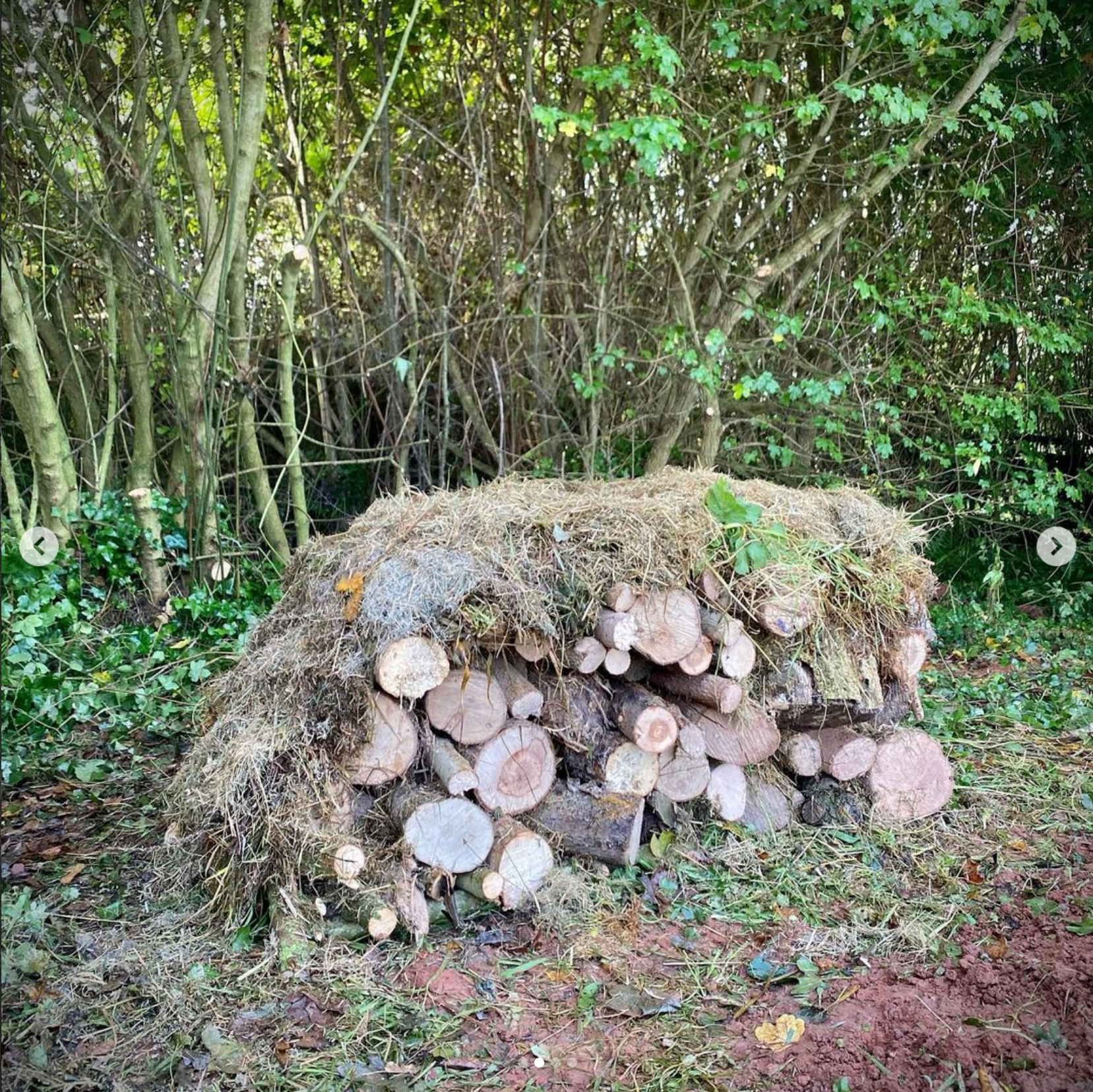
Riparian corridors, or streams, are naturally occurring buffers, and by creating nearby wildlife ponds and water gardens provides a natural ecological connection creating habitat for large numbers of aquatic and terrestrial flora and fauna. Steppingstones could include relatively small patches of native vegetation, single trees or even bug hotels throughout larger landscapes, providing connectivity for an array of species, and all play a vital role in connecting areas of habitat.
Examples of Nature Landscaping Techniques:
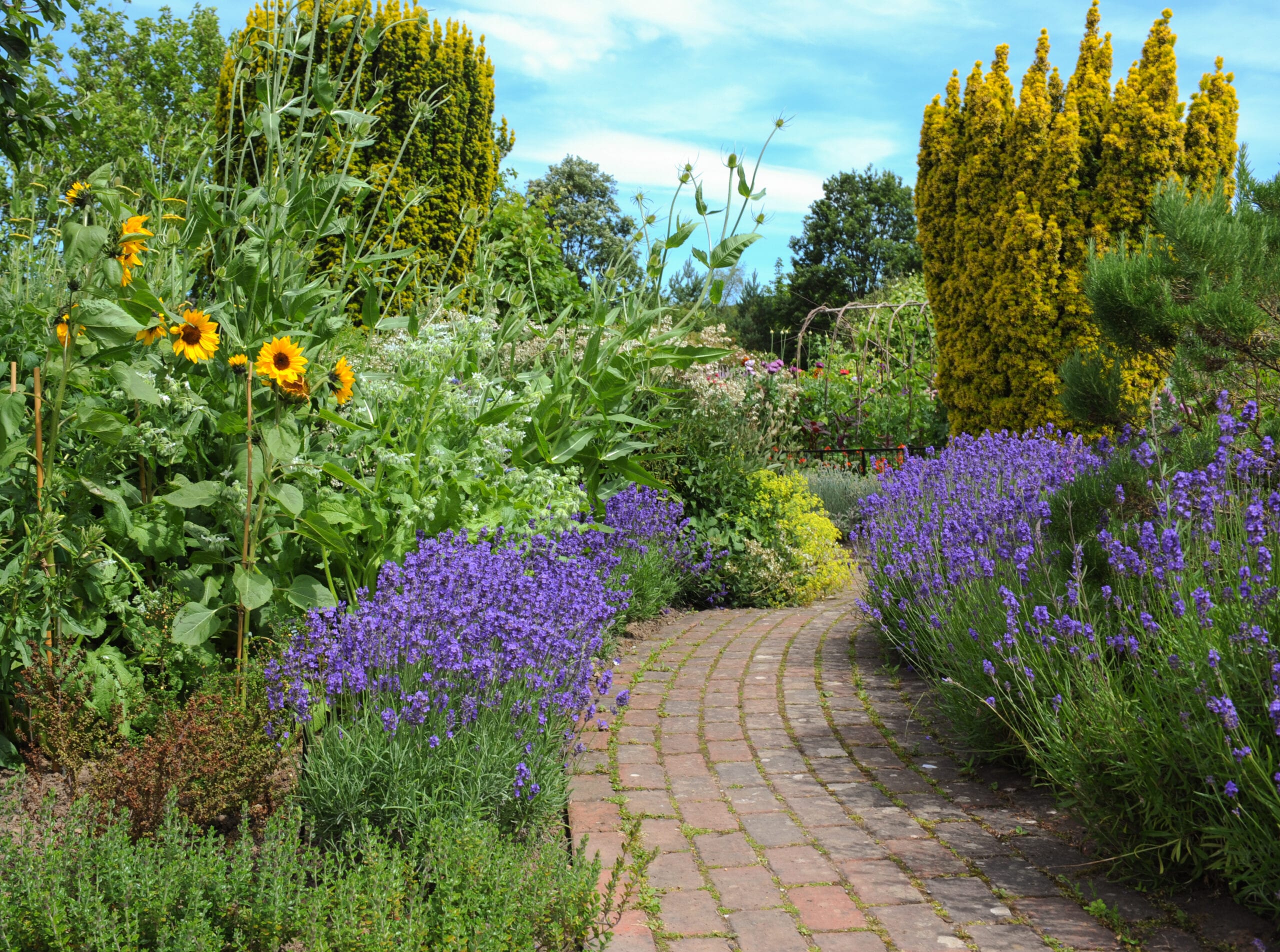
- Edible gardens incorporating vegetables, fruits, and perennial food systems.
- Sensory gardens for people with learning disabilities and/ or autism.
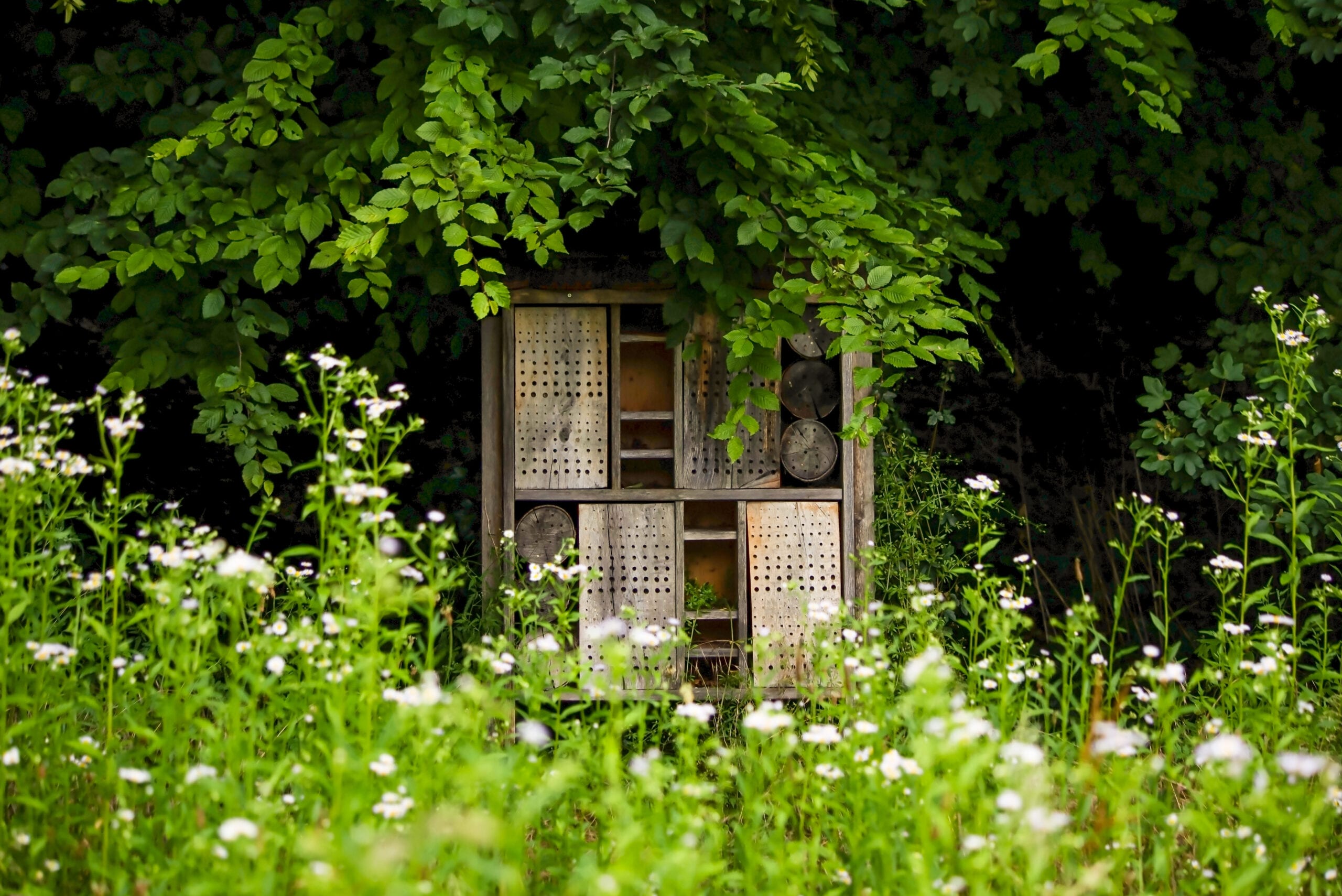
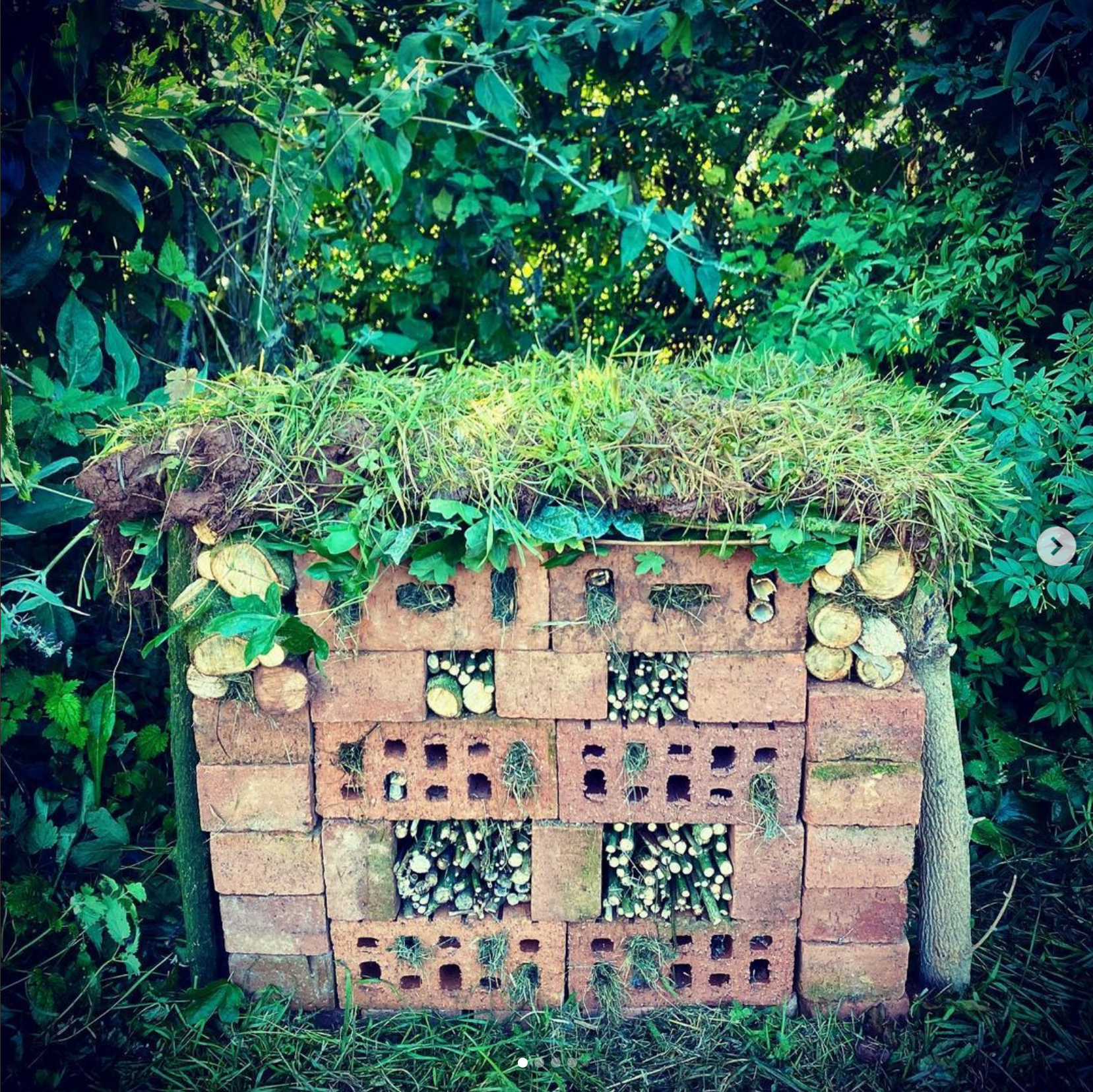
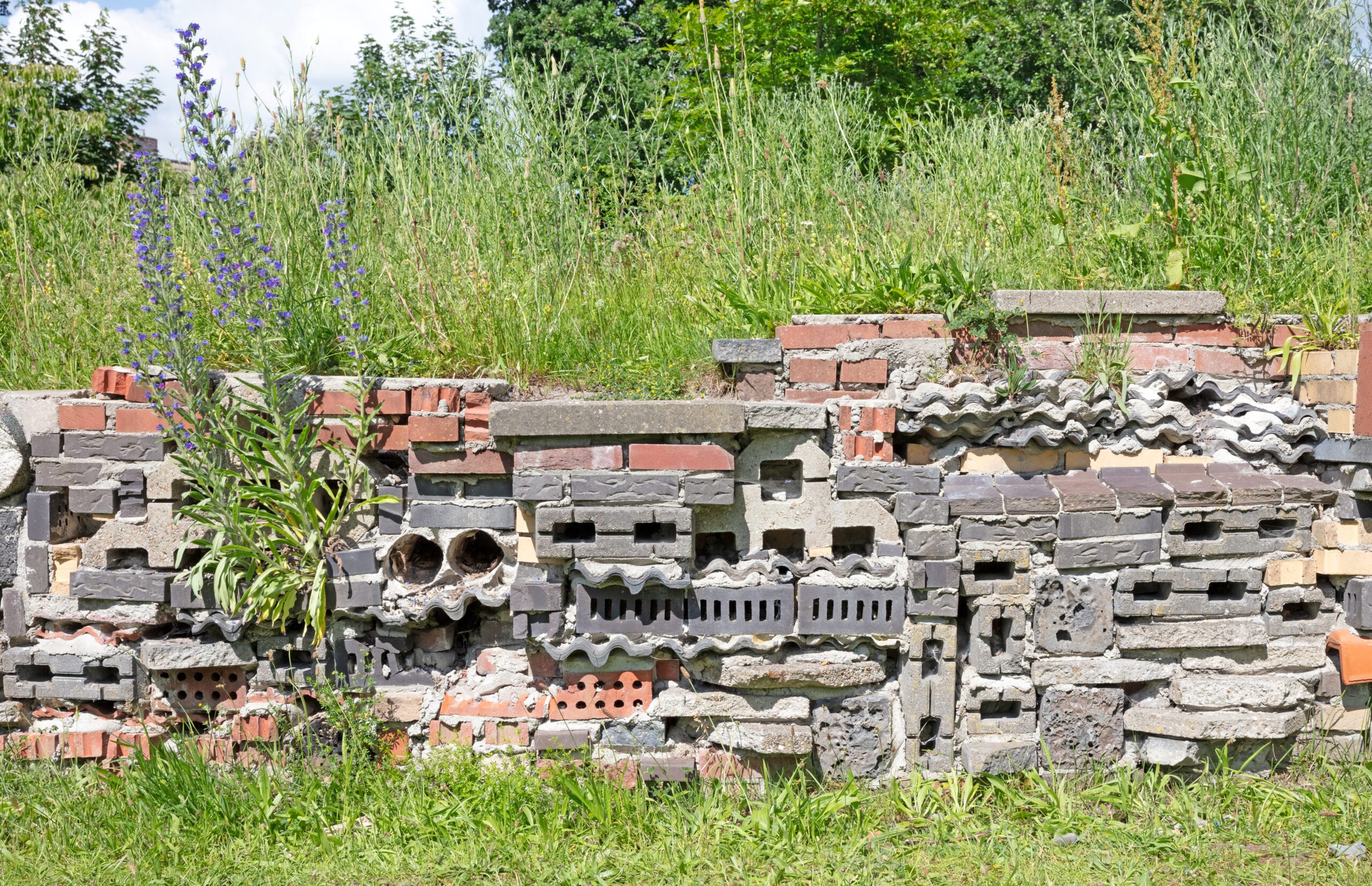
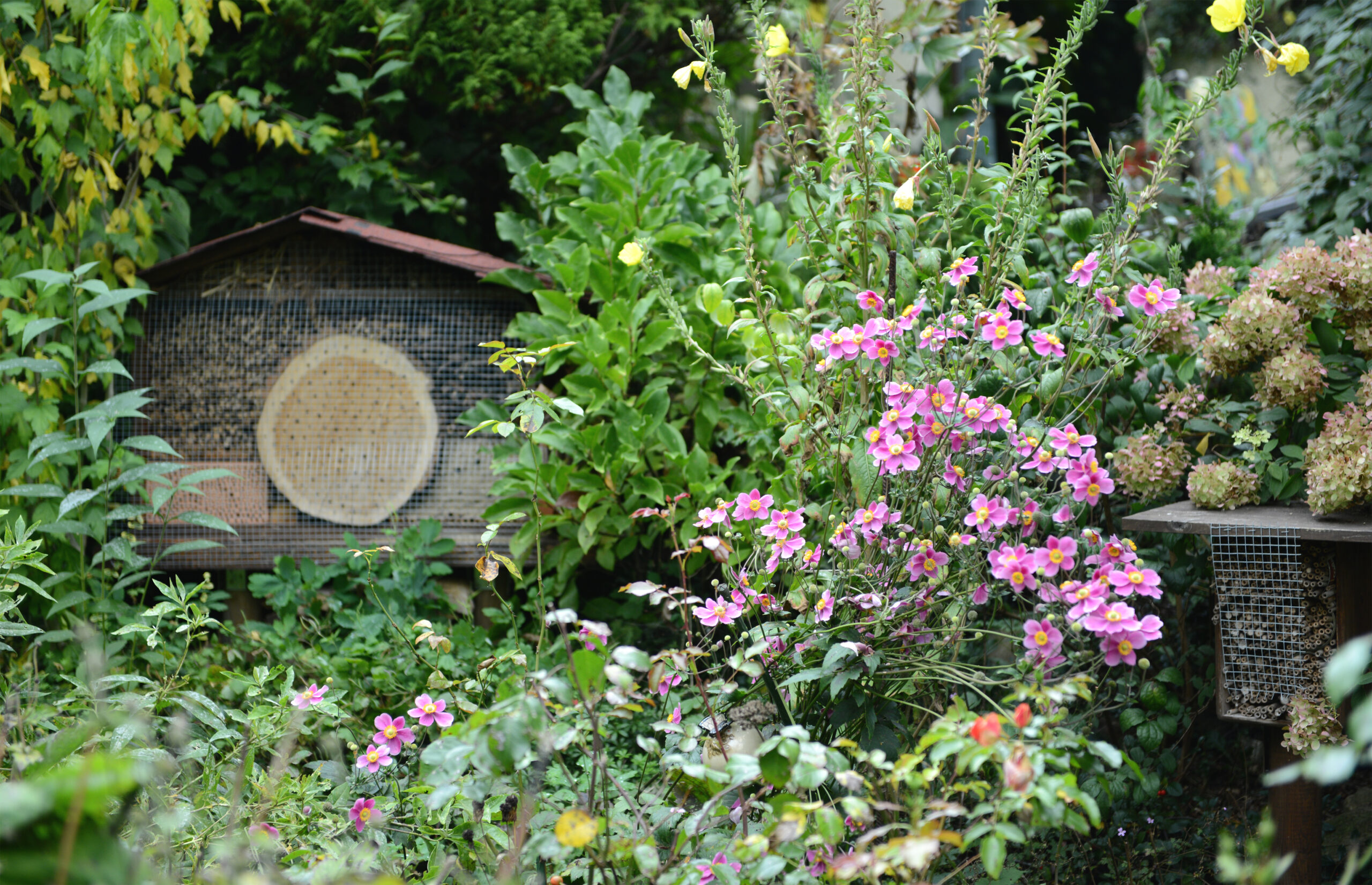
- Wildlife refuge such as a wildlife pond, hedgehog home, bug mansion or bee hotel, or a nesting box.
- Sustainable structures from boardwalks and woodland pathways, to hidden seating areas and firepits.
- Community gardens as part of fund raising and increasing nature awareness.
- Sanctuary gardens for meditation and nature connection.
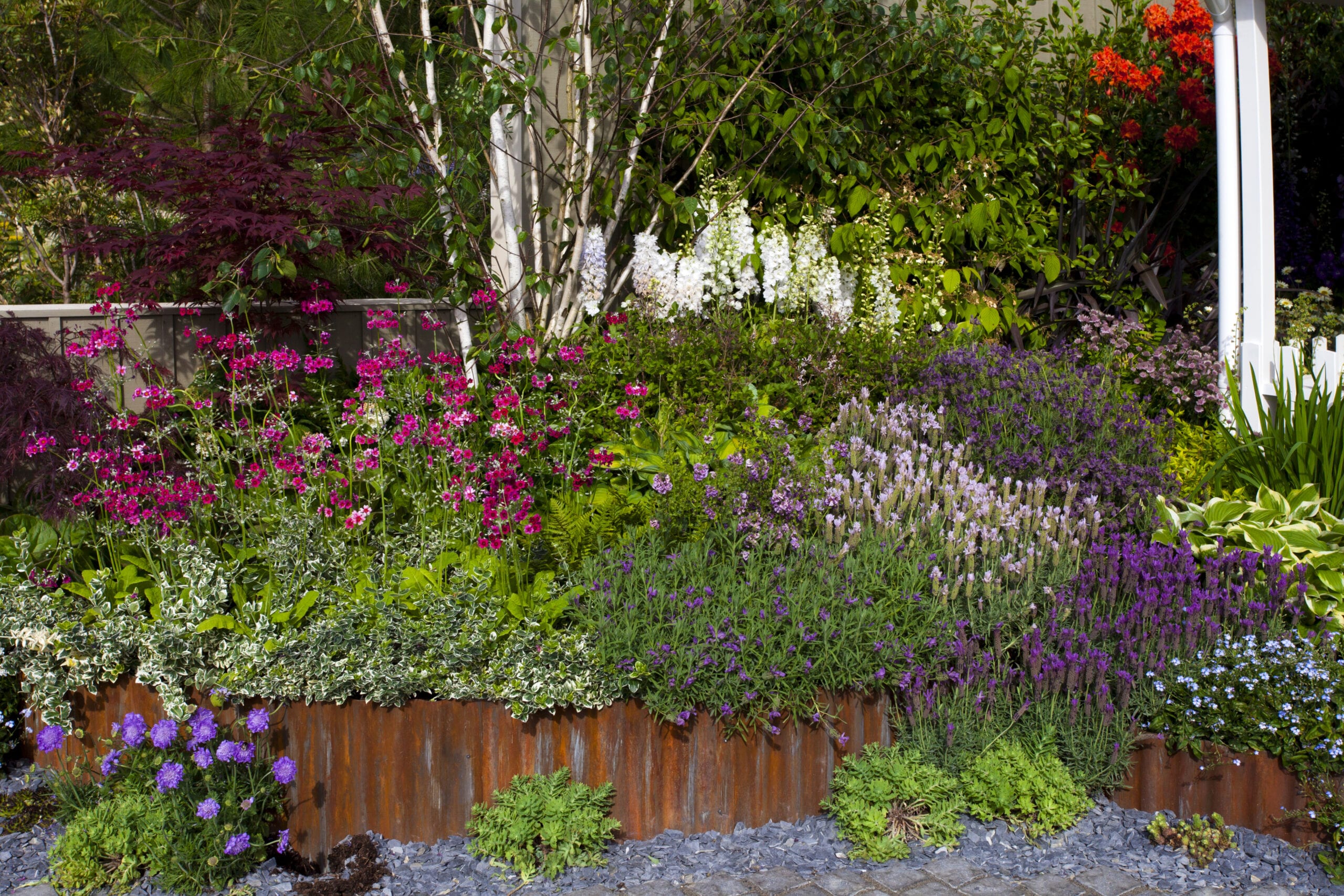
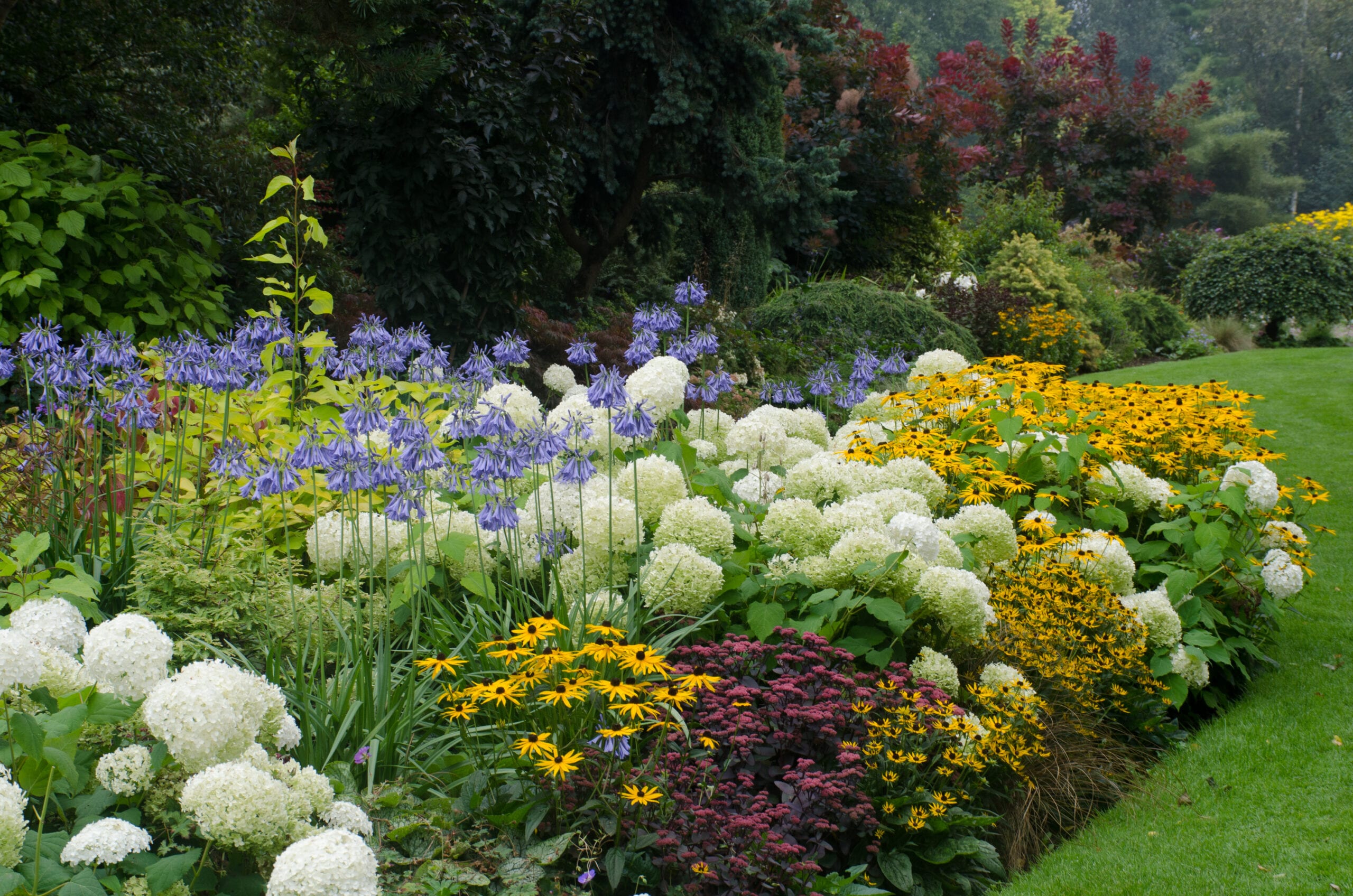
- Native planting schemes to create low maintenance gardens.
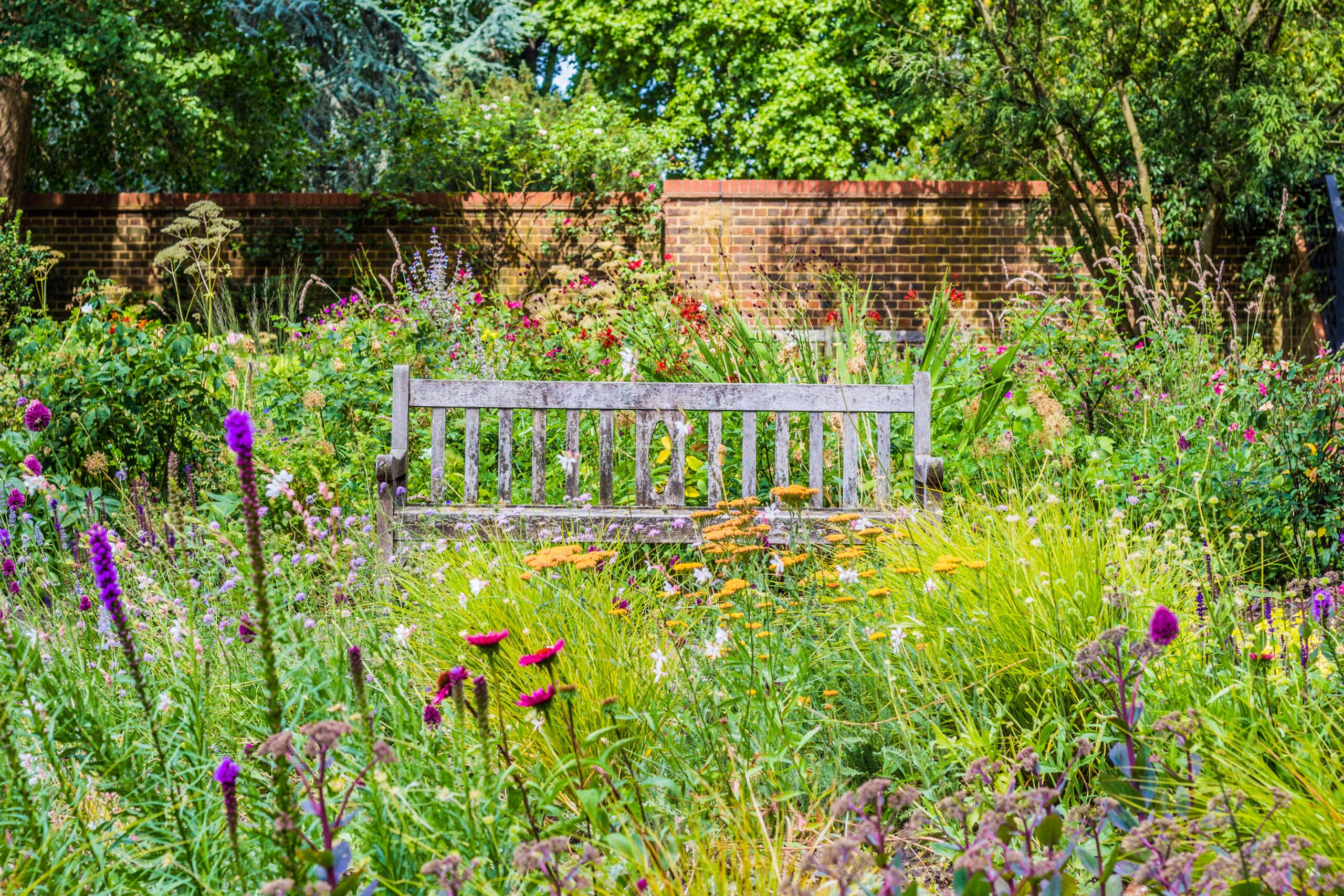
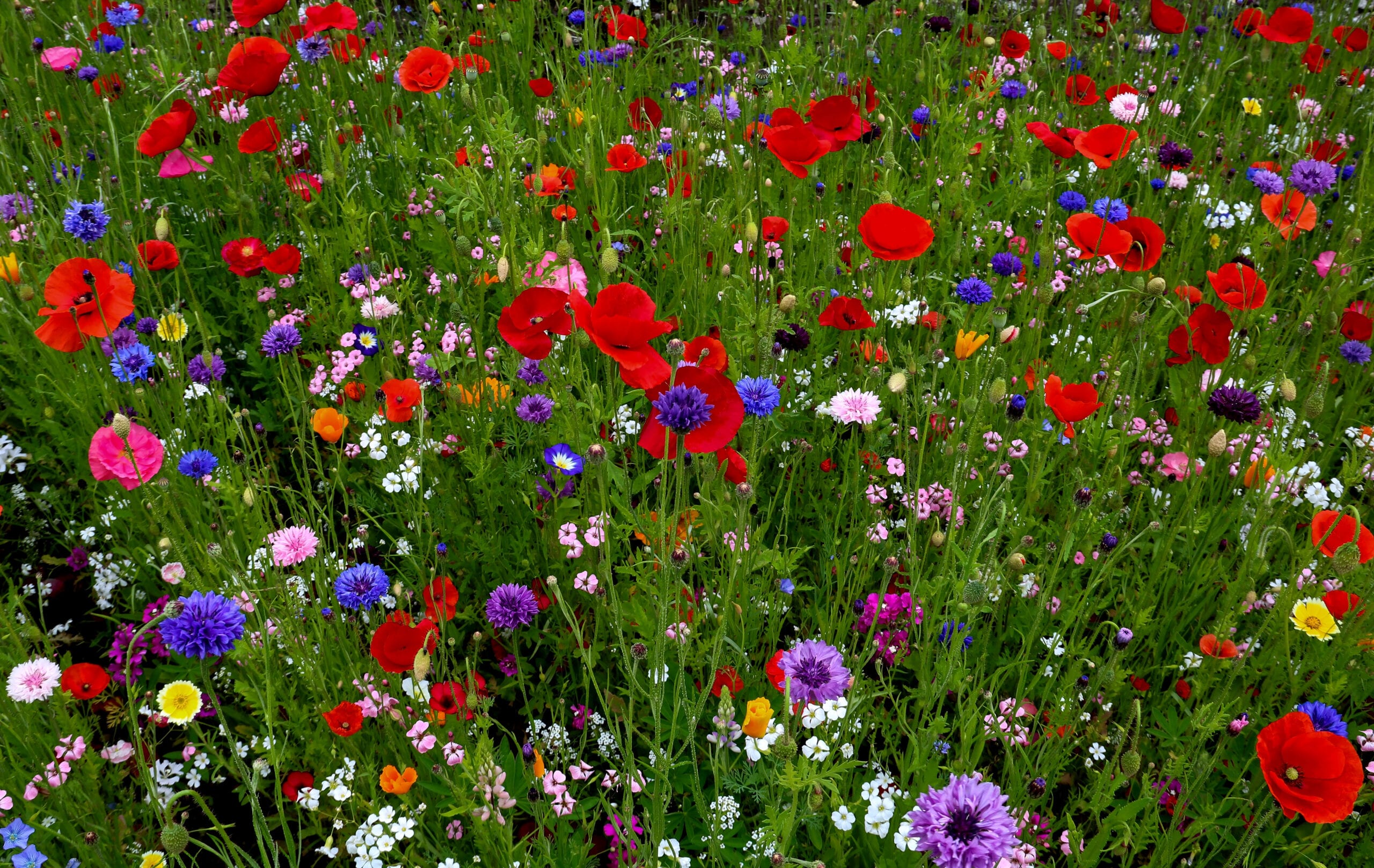
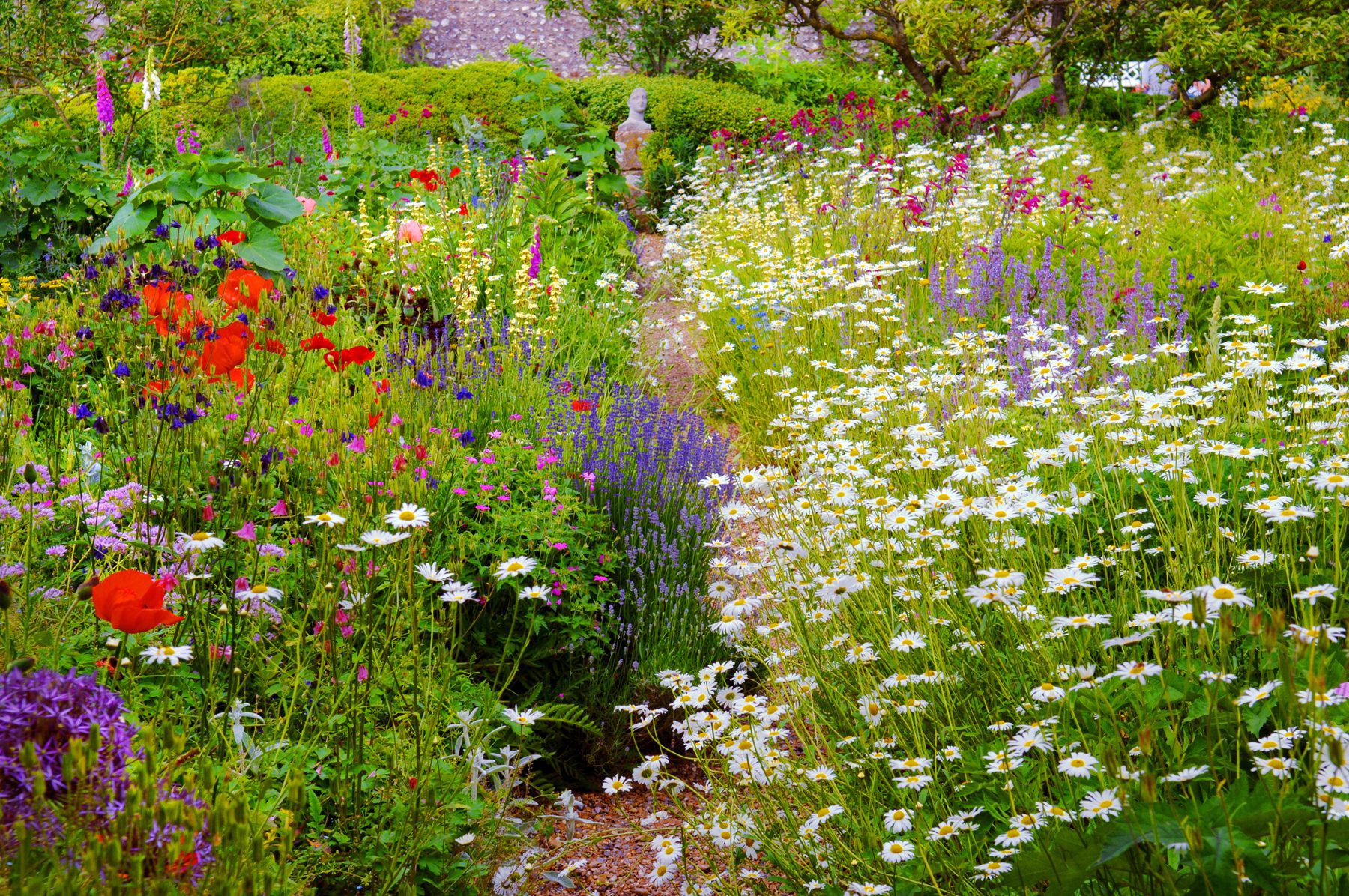
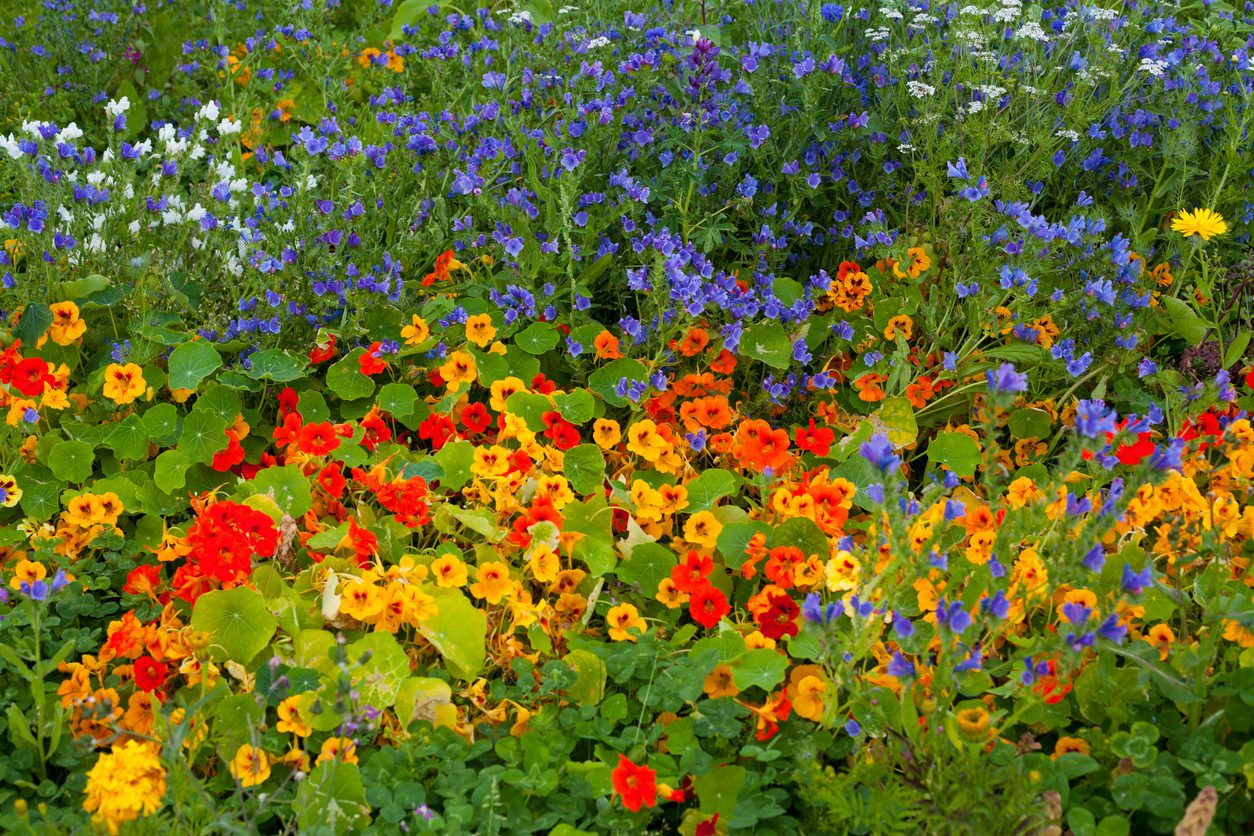
- Wildflower gardens and meadows.
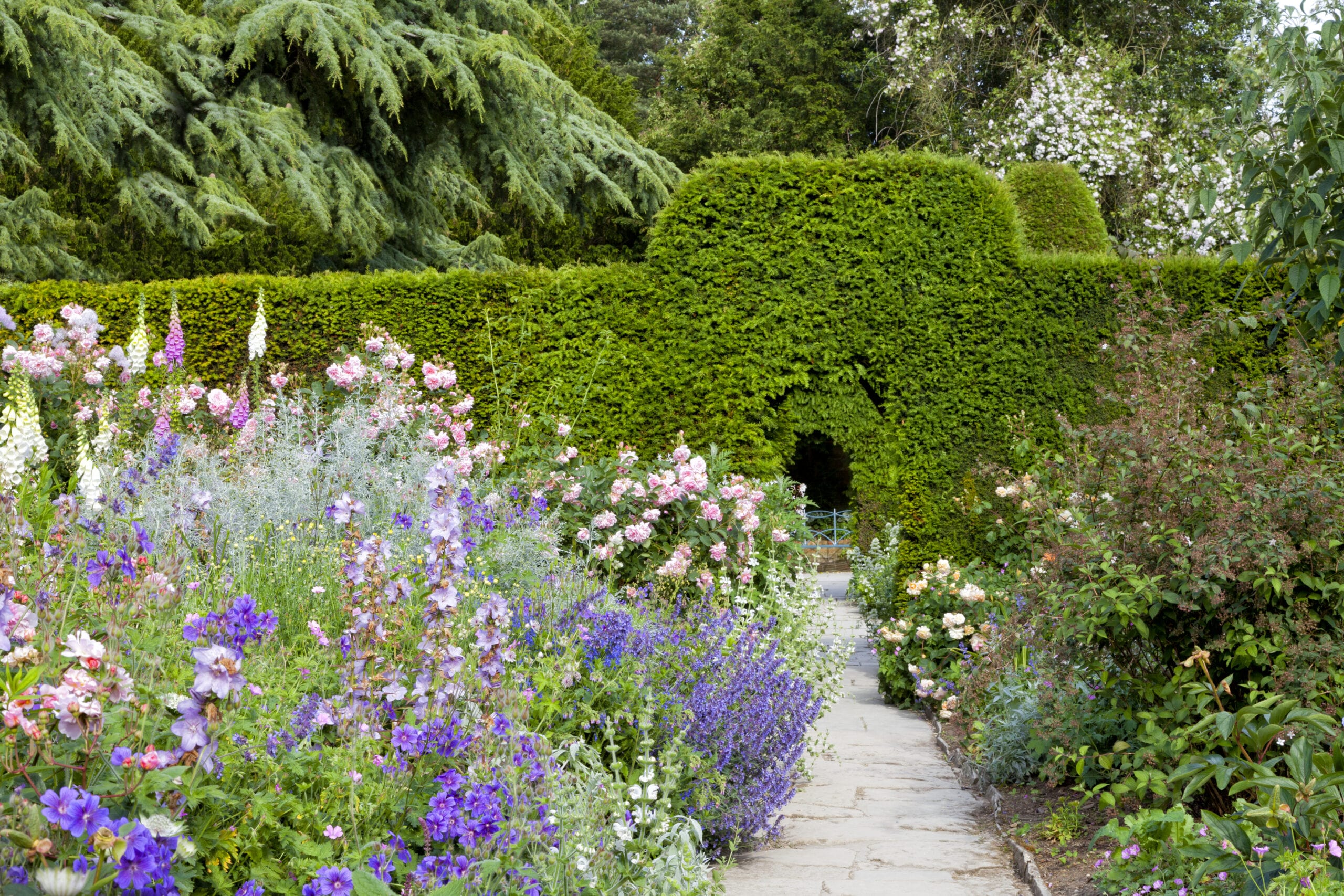
Below are some examples of ecological landscaping and rewilding, including bug hotels, edible gardens, sensory gardens, native planting schemes, wildflower meadows, countryside gardens, and sustainable landscaping mostly across Devon for our clients which we have worked with as part of design & build, consultancy or management.