Articles
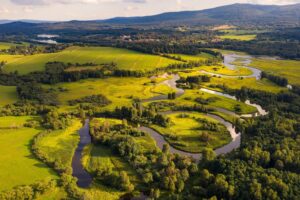
What is Natural Flood Management?
Natural flood management (NFM) refers to the use of natural processes to reduce the risk of flooding. It involves restoring or mimicking the natural hydrological processes that occur across the landscape, processes that have typically been altered from historic farming practices and industrialisation.
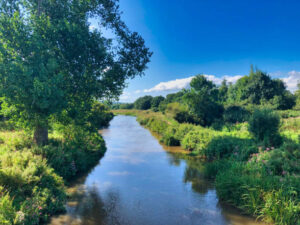
Upstream Thinking Programme
Upstream Thinking is an innovative water catchment management scheme, instigated by South West Water and delivered as a partnership of regional agencies, trusts and charities to reduce point-source nutrient pollution in our waterways.

Gardening for Wildlife
As a gardener or landowner there are many ways in which gardening for wildlife can enhance existing areas and you can even create new ones. Here are some examples:
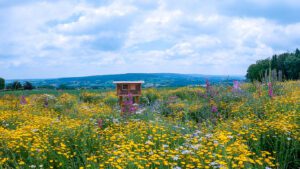
Rewilding Your Garden
We are fortunate to be living in an era where we can all make positive change, our mindsets today and the choices we make about our relationship with the countryside effect recovery of our delicate landscapes.
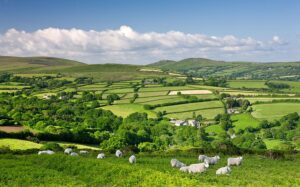
Farming in Protected Landscapes Programme (FiPL)
The FiPL Programme provides grants for farmers and land managers from the private, public and charity sectors to support nature recovery in or around Areas of Outstanding National Beauty (AONB) and National Park protected landscapes.
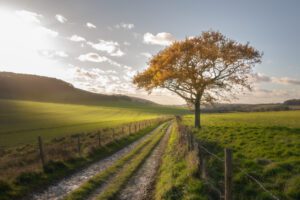
The Importance of Trees
From their majestic canopies and radiance on our landscapes, to their root systems and mycorrhizal network, the importance of trees are absolutely essential to our shared ecosystem.
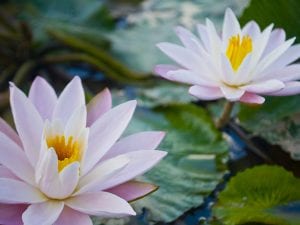
Benefits and Choice of Aquatic Plants for Wildlife Ponds
Many species of aquatic plants produce flowers, are a food source for many animals, they provide safe refuge for wildlife, and add aesthetical beauty for us, they also help to prevent bankside erosion by stabilising banks with their root system…
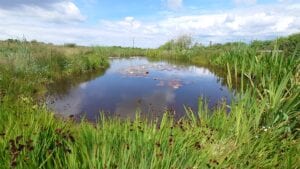
Wildlife Pond Top Tips
Over the last 25 years there have been many questions relating to how one designs a wildlife pond. Every site is specific, and each comes with its own challenges, and surprises.
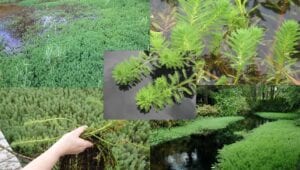
Myriophyllum aquaticum, Parrot’s feather
Myriophyllum aquaticum, Parrot’s feather, is an aggressive hydrophyte capable of rapid, dense growth displacing native species, reducing biodiversity, decreasing water quality, and choking waterways.