Pond & Lake Maintenance
Bankside Pond & Lake Maintenance Advice
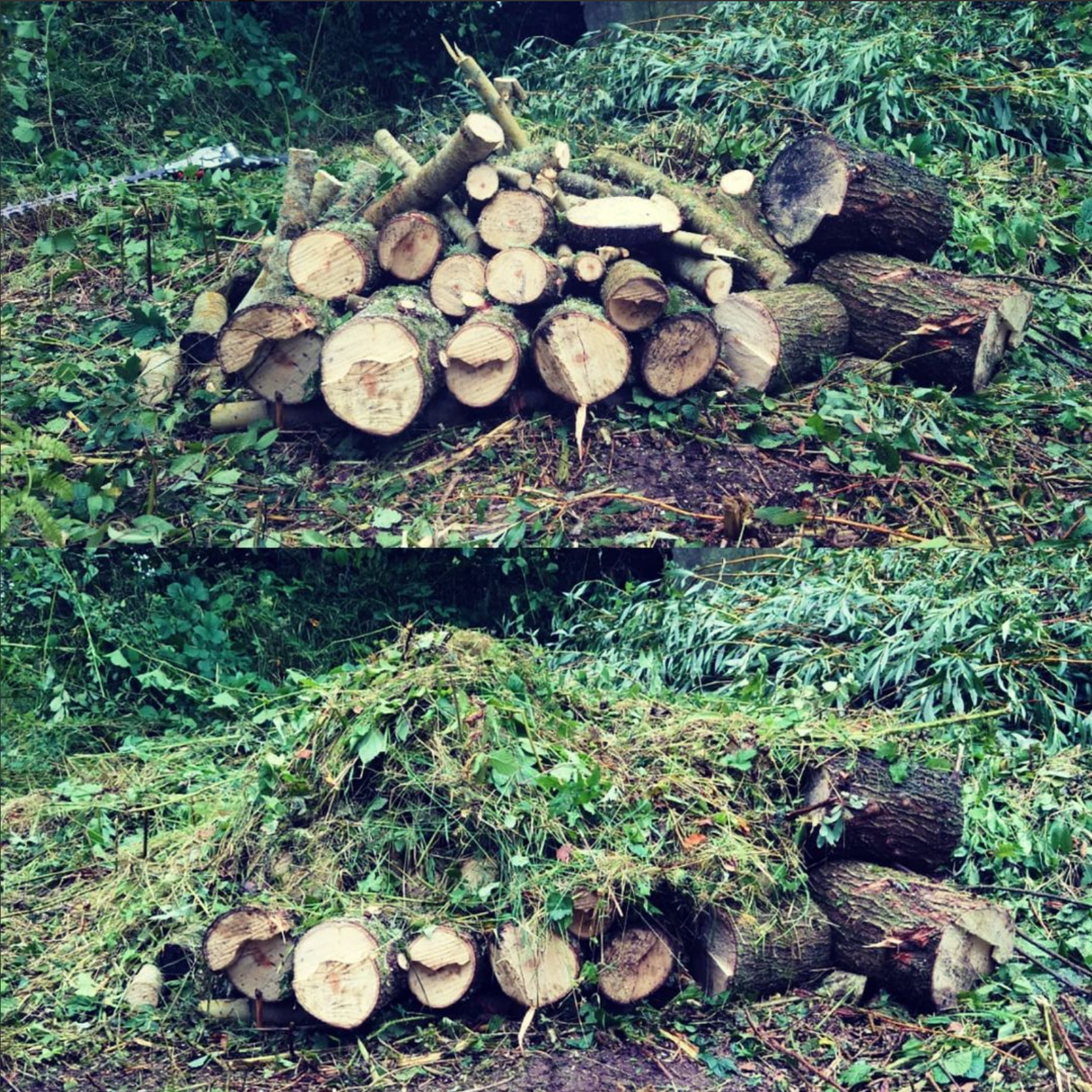
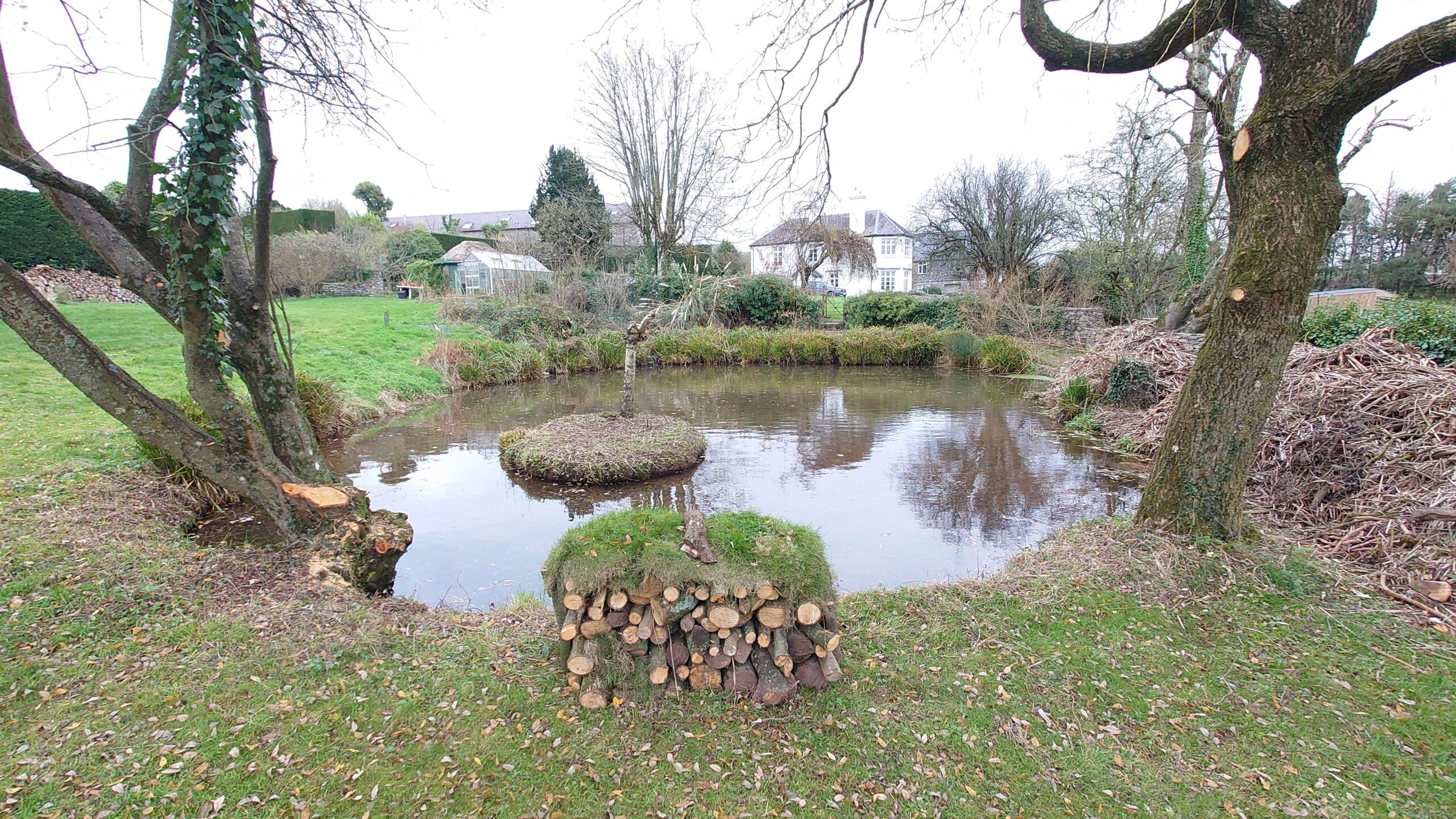
Lentic water bodies, which are still bodies of water such as ponds and lakes, will require maintenance around the perimeter banks and any islands from overhanging and fallen branches, limbs or deadwood and surrounding trees often need work such as crown uplifting and pollarding, and the removal of overgrown and often invasive bramble, balsam, hogweed or hemlock all necessary to control, aiding terrestrial and aquatic habitats. Any timber cut can be neatly stacked near to the waters edge to create habitat for wildlife, such as the creation of a hibernaculum for safe wildlife refuge for frogs, toads, newts, hedgehogs, slow worms and even grass snakes.
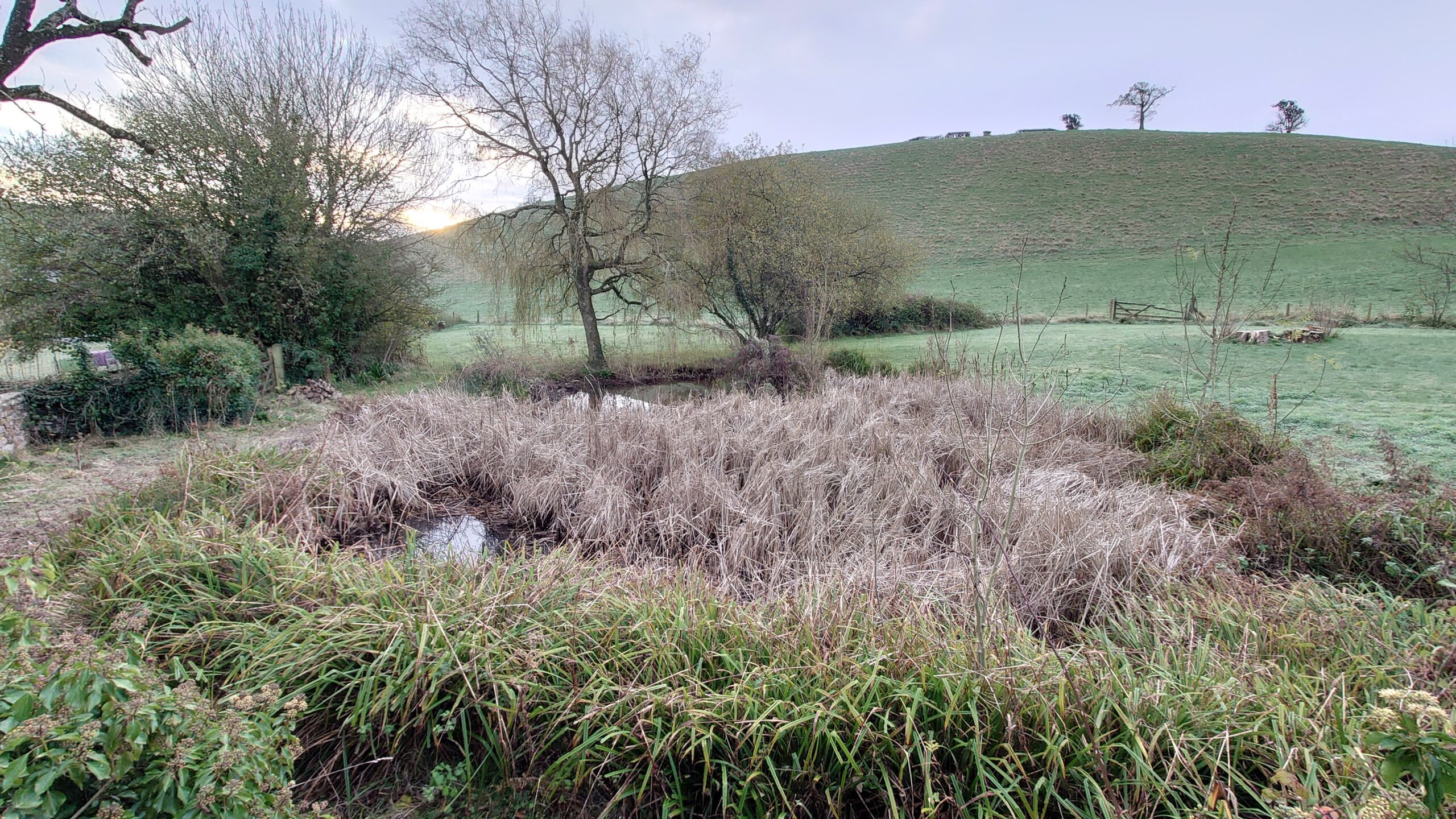
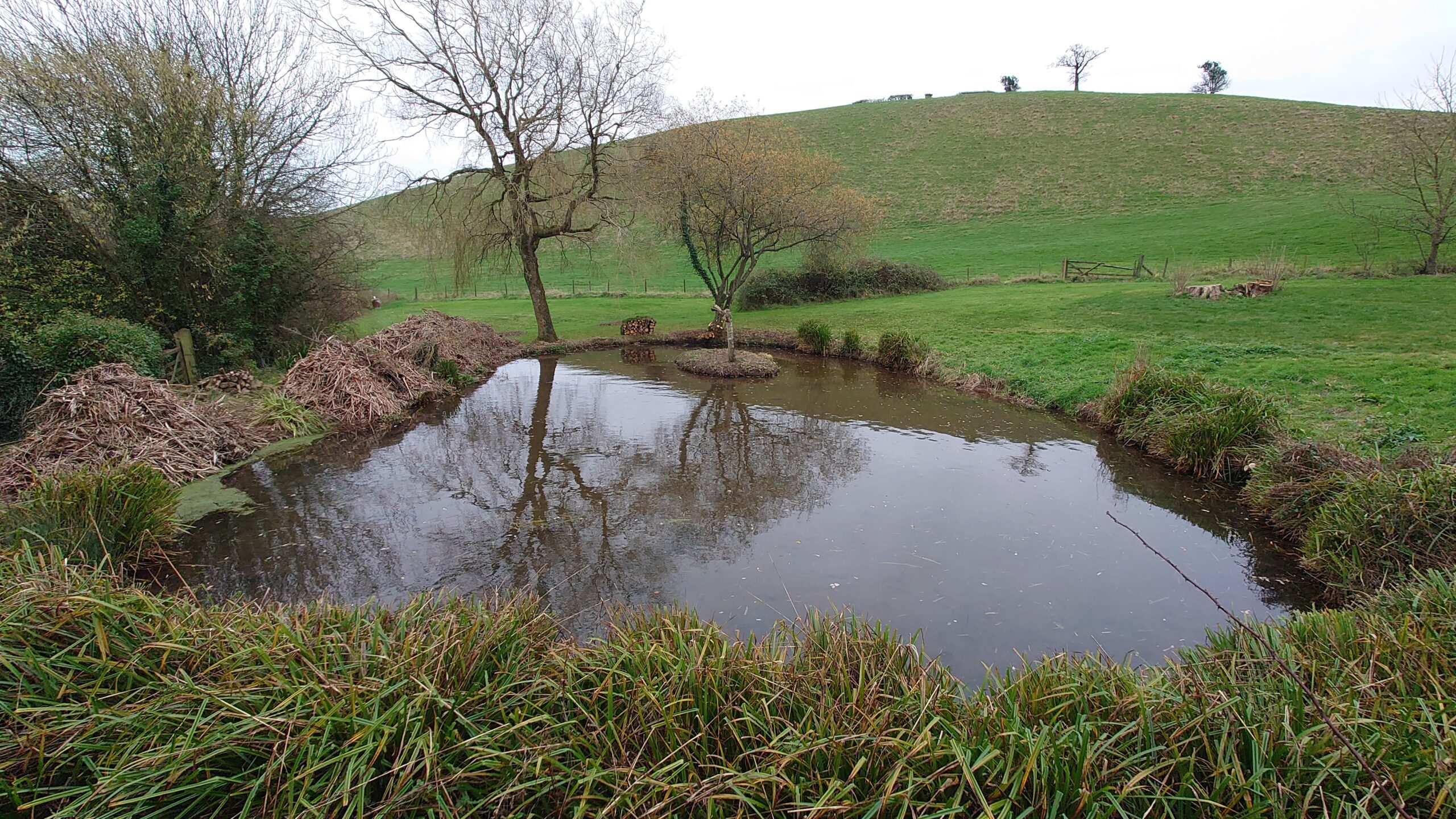
The removal or cutting back of marginal aquatic vegetation before it becomes too invasive is important. For example, emergent aquatic plant species such as Lesser & Greater Reed Mace ‘Typha latifolia’ or ‘angustifolia’, the Yellow Flag Iris ‘Iris pseudacorus’, Sweet Flag ‘Acorus calamus’ or Reed Sweet Grass ‘Glyceria maxima’, will require annual maintenance before they encroach too far into the main water body.
Other important reasons for cutting back marginal aquatic vegetation, in particular species such as the Common Norfolk Reed ‘Phragmites australis’, an excellent choice plant for reed-beds, are due to their ability of accumulating high levels of nutrients from the waterbody, thus, cutting them back each winter will aid in improving water quality as any new growth will absorb nutrients such as phosphate and nitrate as the water becomes warmer in the spring.
Bankside Pond & Aquatic Weed Removal Advice
Identifying aggressive invasive native and non-native aquatic weed species is paramount before they dominate the water body. Many displace beneficial native flora, decrease water quality by lowering dissolved oxygen levels, choke waterways, seriously effect aquatic food webs affecting invertebrate communities, and are able to survive winters and fluctuating water levels, making them harder to control.
Most common problematic submerged aquatic weed species are Canadian Pondweed ‘Elodea canadensis’ or Curly Waterweed ‘Lagarosiphon major’ also known as ‘Elodea crispa’, Broadleaf Pondweed ‘Potomogeton natans’ or Curly Pondweed ‘Potomogeton crispus’, New Zealand Pigmyweed ‘Crassula helmsii’ and Parrrots Feather ‘Myriophyllum aquaticum’. Floating aquatic plant species might include Floating Pennywort ‘Hydrocotyle ranunculoides’, Water Soldier ‘Stratiotes’ (only floats in the summer), or Water Fern ‘Azolla filiculoides’.
Riparian Maintenance Advice
Riparian corridors which include streams, rivers and in-line ponds or lakes will require more frequent work to maintain banks from invasive plants species due to dispersal of seeds and fragmentation being more prolific, and also to ensure waterflow is not impeded from this vegetation or any other obstructions. Riparian responsibility lies with landowners who have certain legal duties which include:
- Maintaining banks and keeping clear of any obstructions (natural or otherwise), so normal flow is not impeded, and fish are able to migrate for spawning.
This requires any overhanging/ fallen trees to be removed, and any structures not given approval are removed.
- To accept the natural flow without obstruction pollution or diversion.
This means you cannot adjust or regulate flow.
- Maintain approved structures on your water course, which may include weirs.
Is the weir an approved structure – was planning consent and approval met with previous owner?
- Not to interfere with the water quality or quantity.
No weed treatments to be added to water. Is there a linked ground source heat pump – was the installation approved by planners? Is there water being taken from the stream – do you have an abstraction licence from the Environment Agency?
Any work that is completed on or near a water course, excluding maintenance as described above, MUST obtain consents and/ or permits from the local council, Environmental Agency, or Natural England.
Control Measures
Pond & lake maintenance, working with nature, and not against it, utilising a hands-on approach, this is our advice in recovering any threatened habitat, improving water quality and of course aesthetics. Depending upon work necessary we will put a plan together ensuring there is no loss of habitat and only a diverse, favourable one for wildlife and of course client enjoyment remains.
Environmental control measures might include increasing shade on south sides of the waterbody by planting trees or higher vegetation which can assist in preventing troublesome aquatic weed growth, so can planting more favourable aquatic plant species to dominate areas preventing less favourable species to establish. On a stream, increasing flow rates by narrowing channels can help to prevent certain aquatic plants species from taking hold, also helping to take away seeds or aquatic weed fragments washed down from species you don’t want.
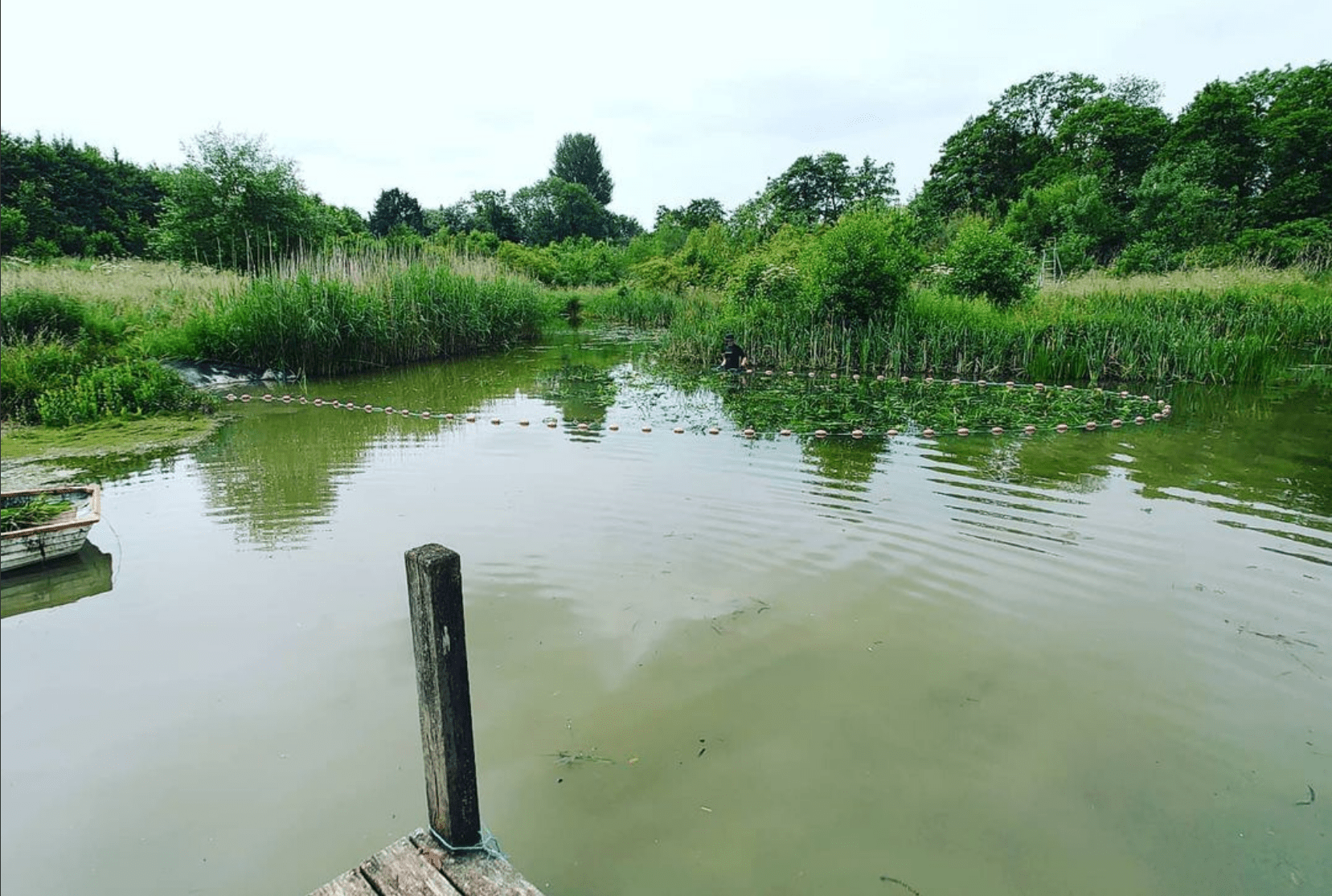
Mechanical control might include keeping water channels clear, dredging to increase water velocity and depth and the obvious removal by-hand or rake, or in extreme cases a specialist weed-boat.
Chemical control is NOT something we advocate, often effective, however also killing many other terrestrial and aquatic flora and fauna, damaging waterways and our environment. Chemical treatments have been revoked for aquatic use since June 2018 and will require consent for use from the Environment Agency.
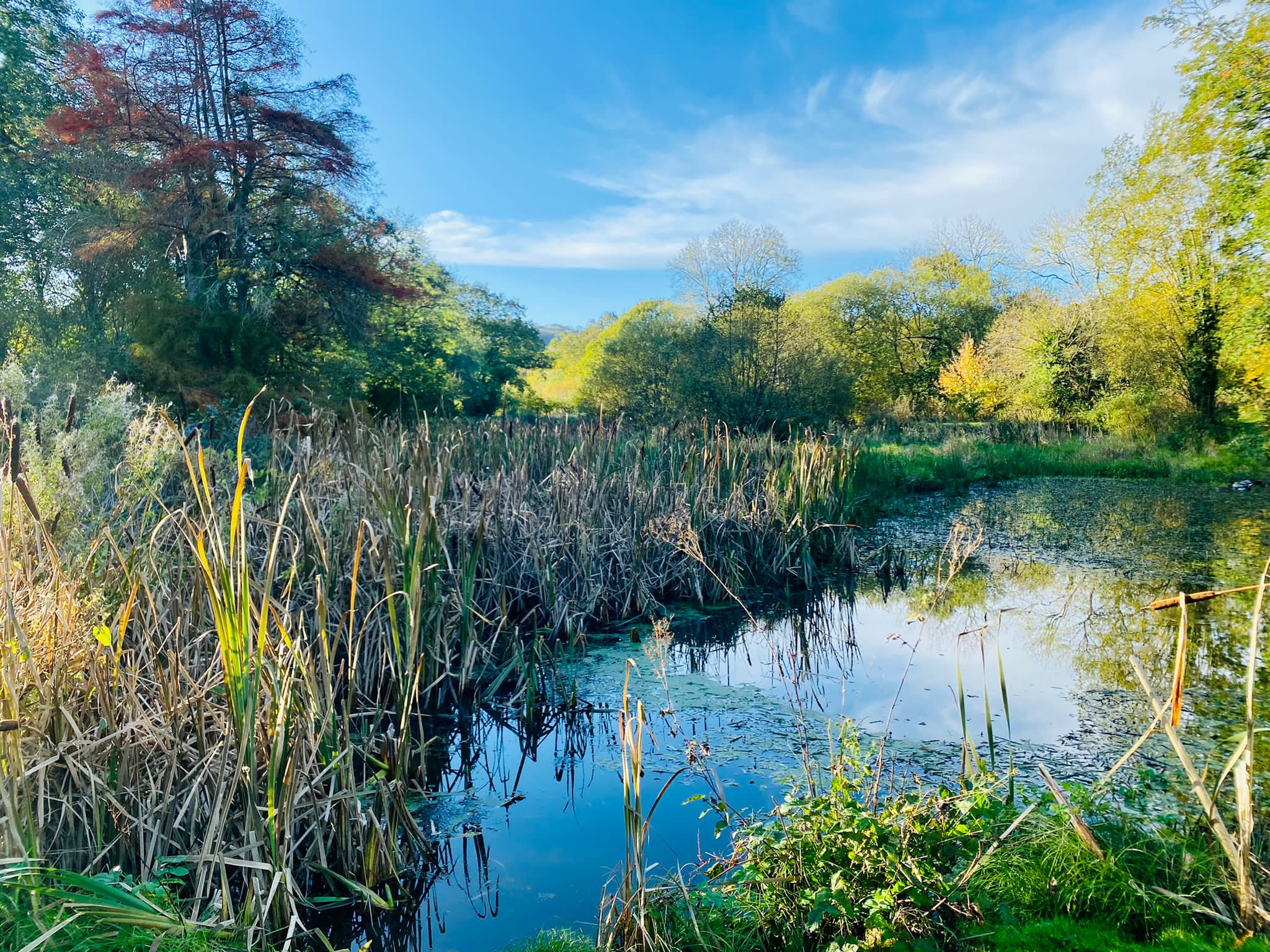
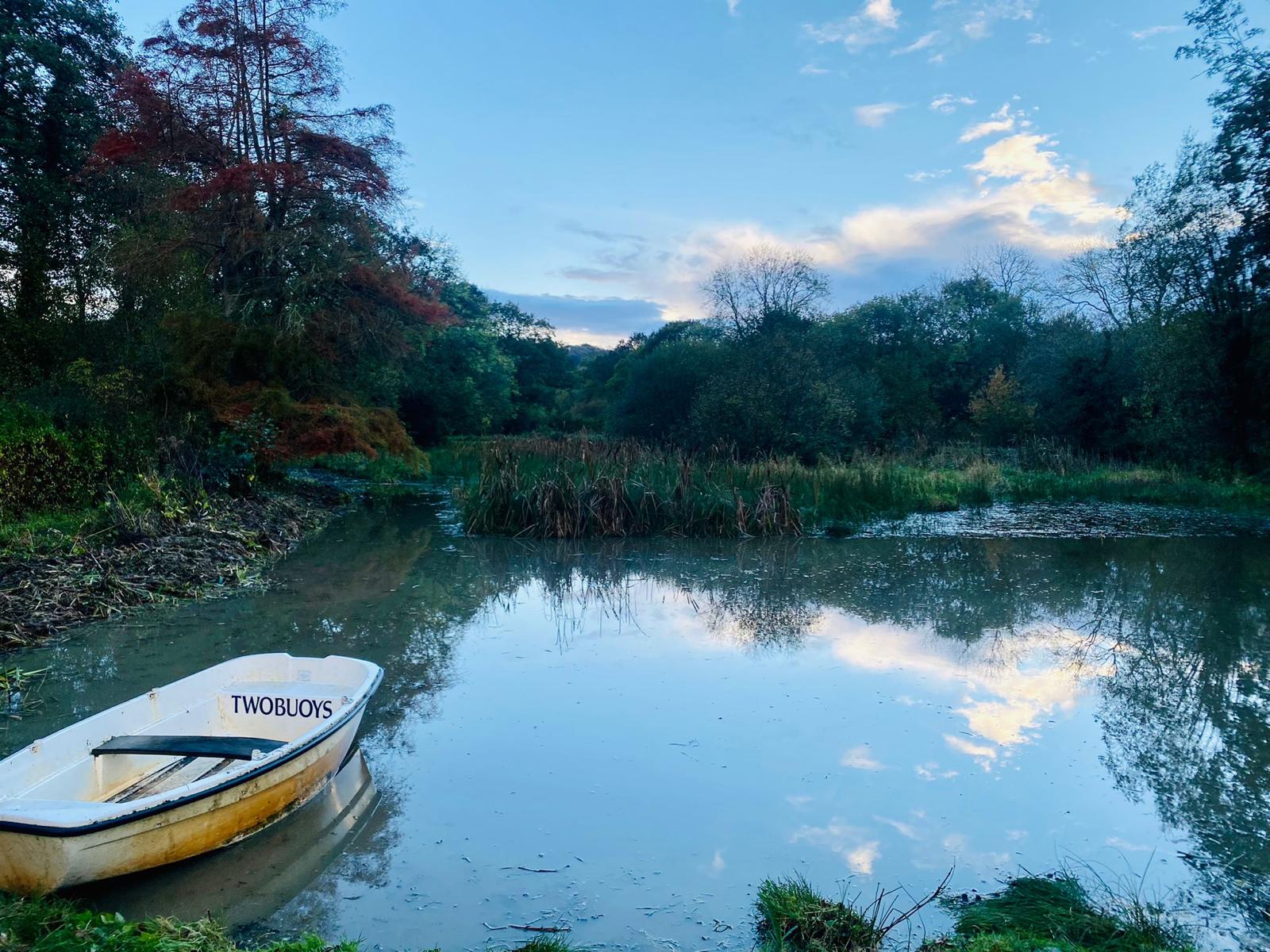
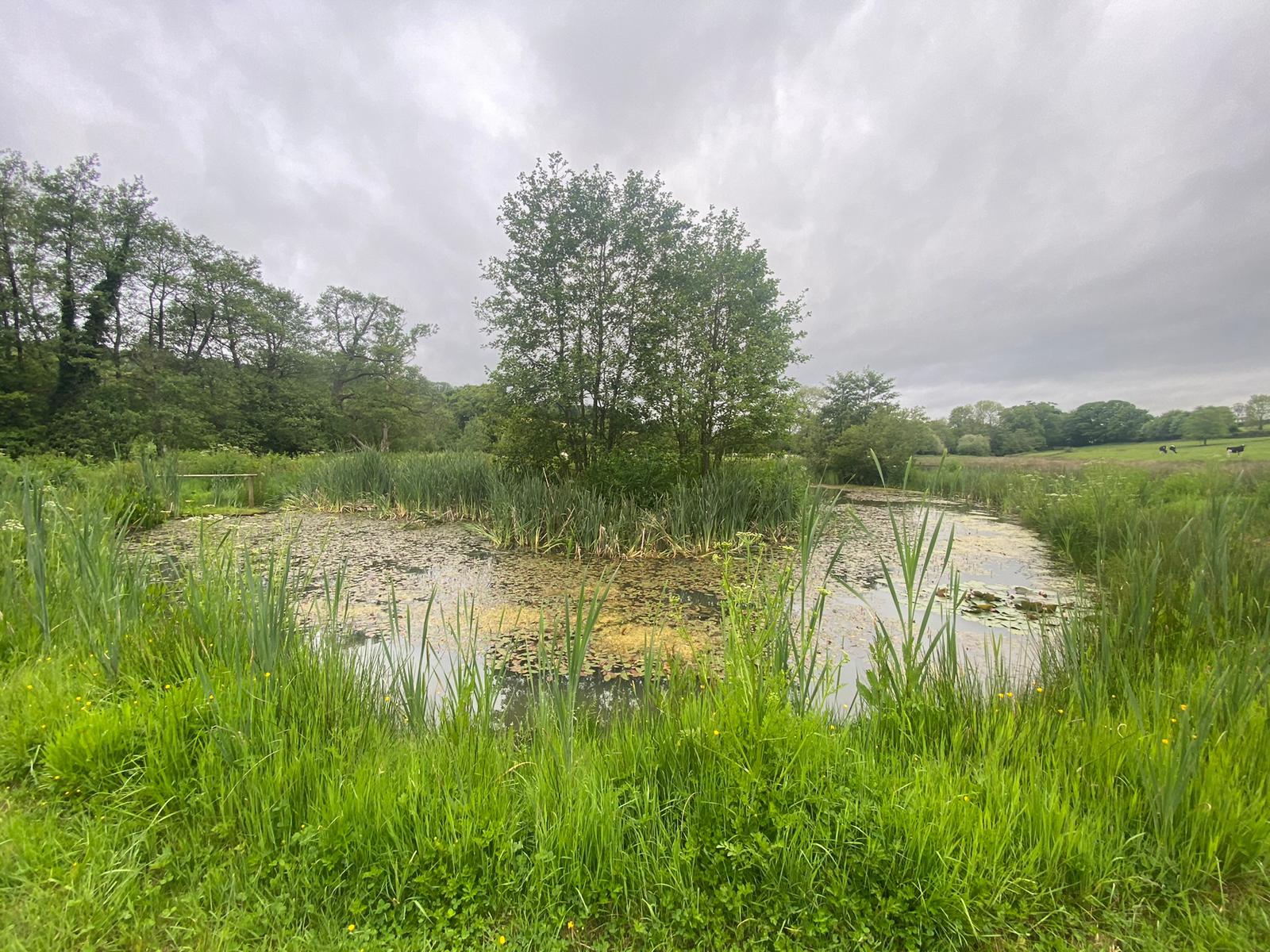
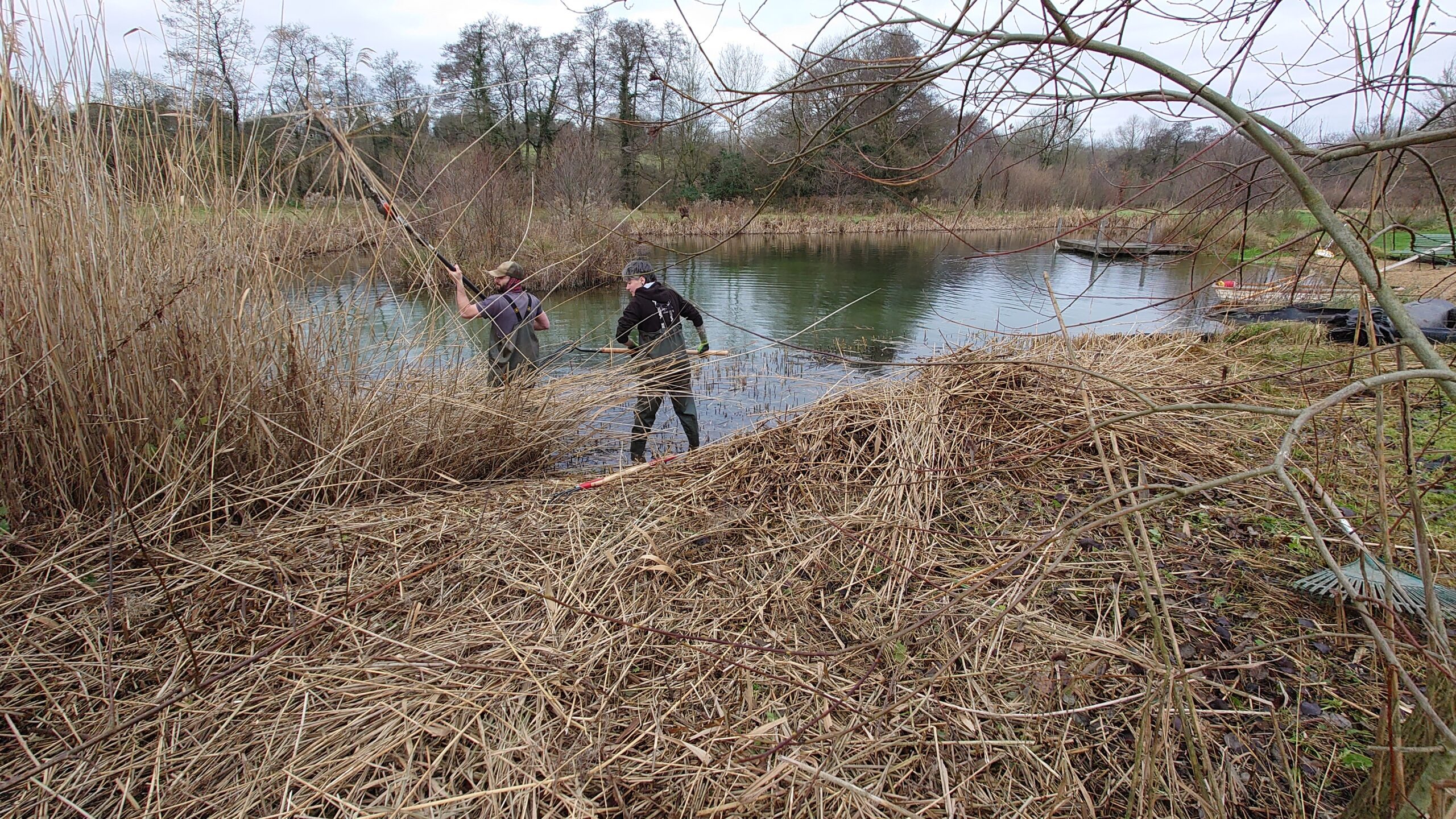
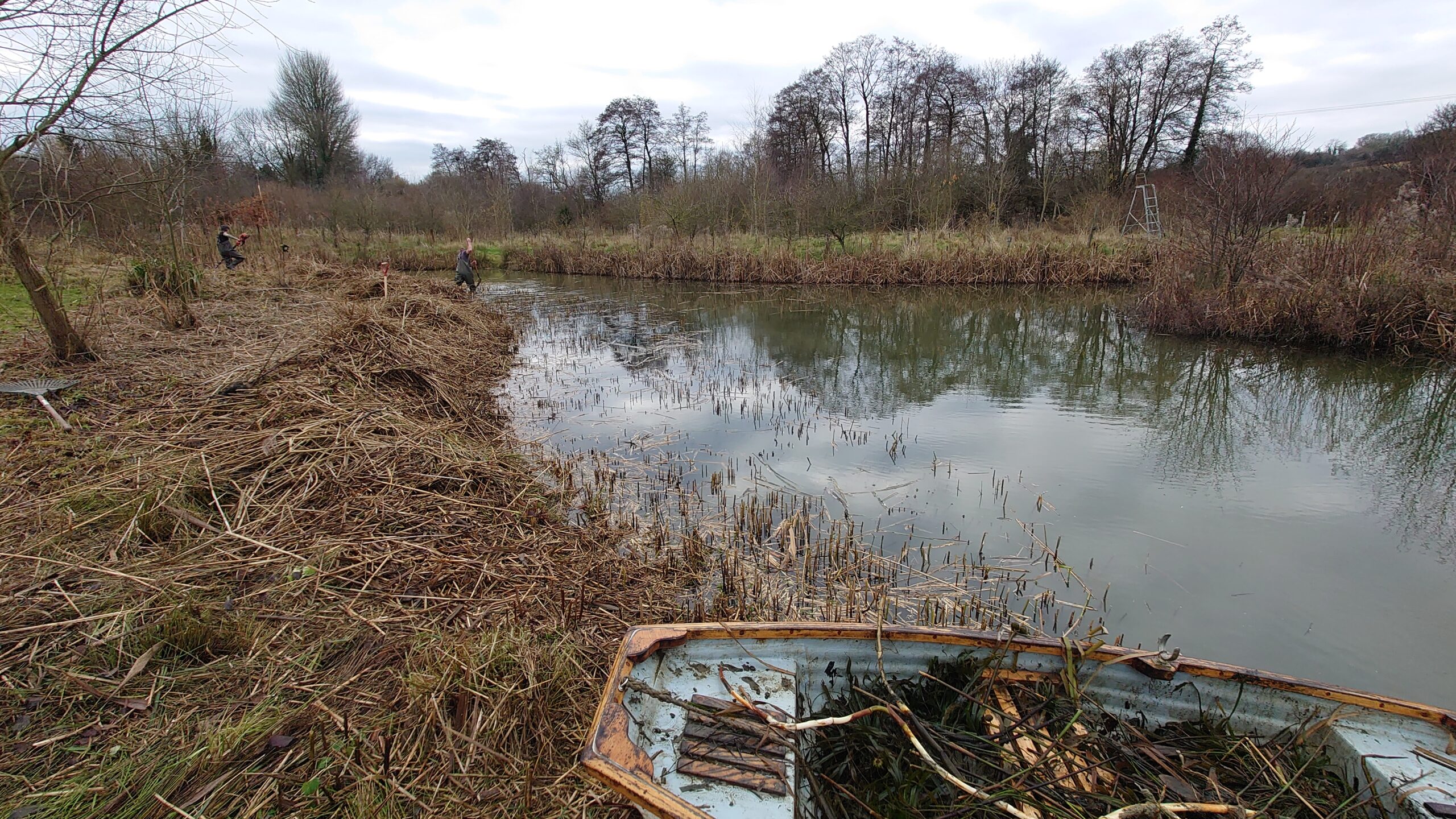
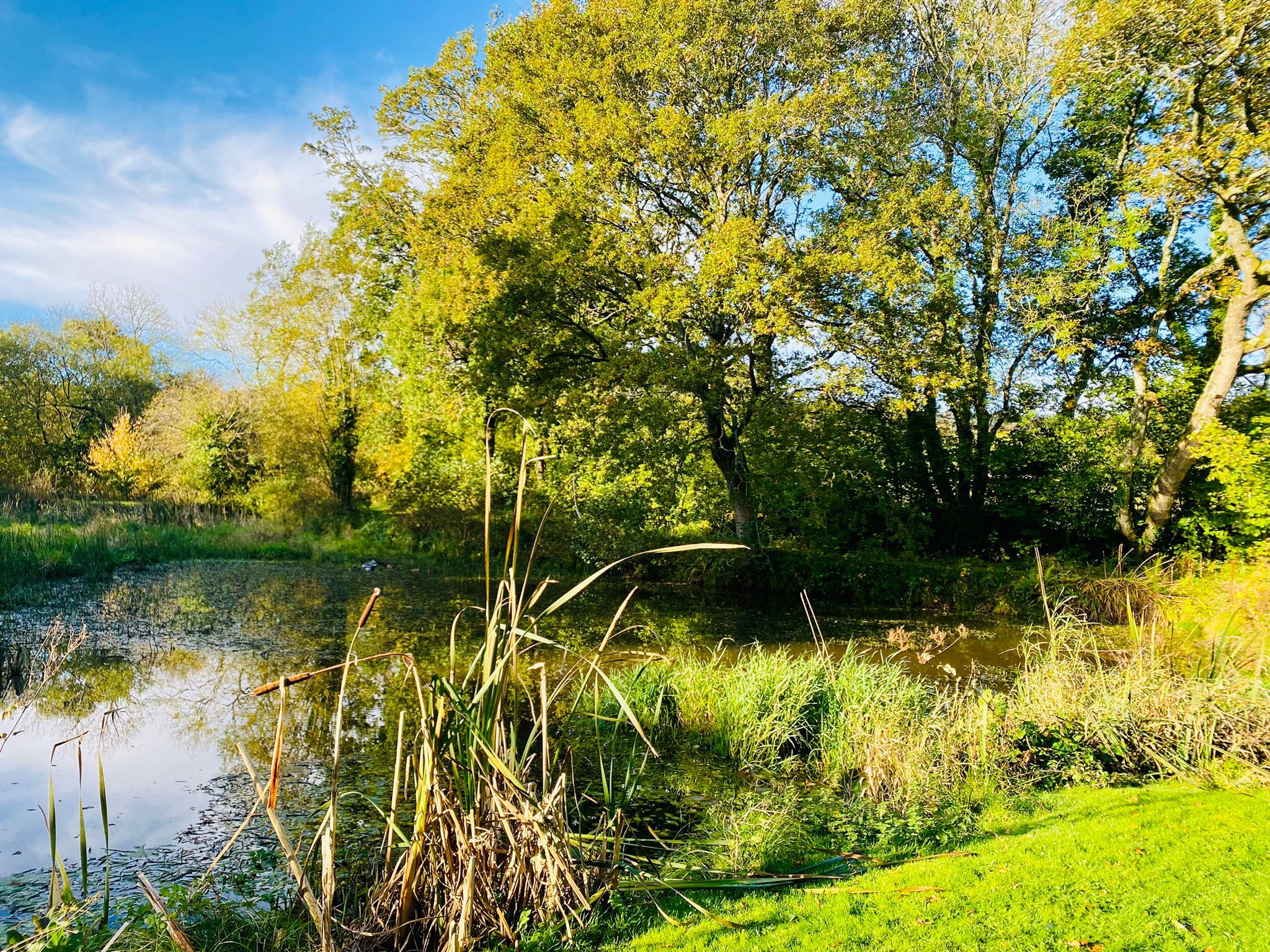
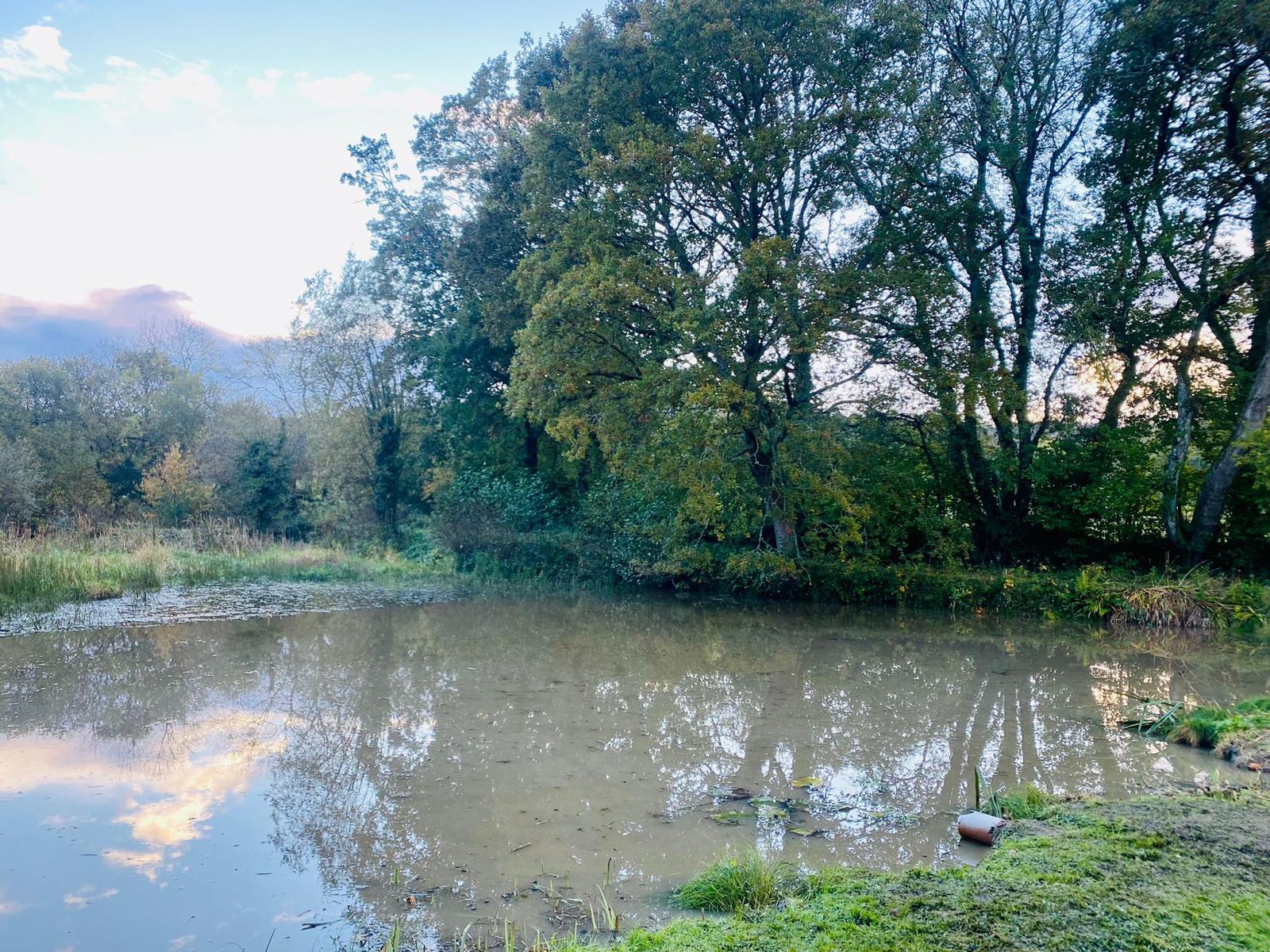
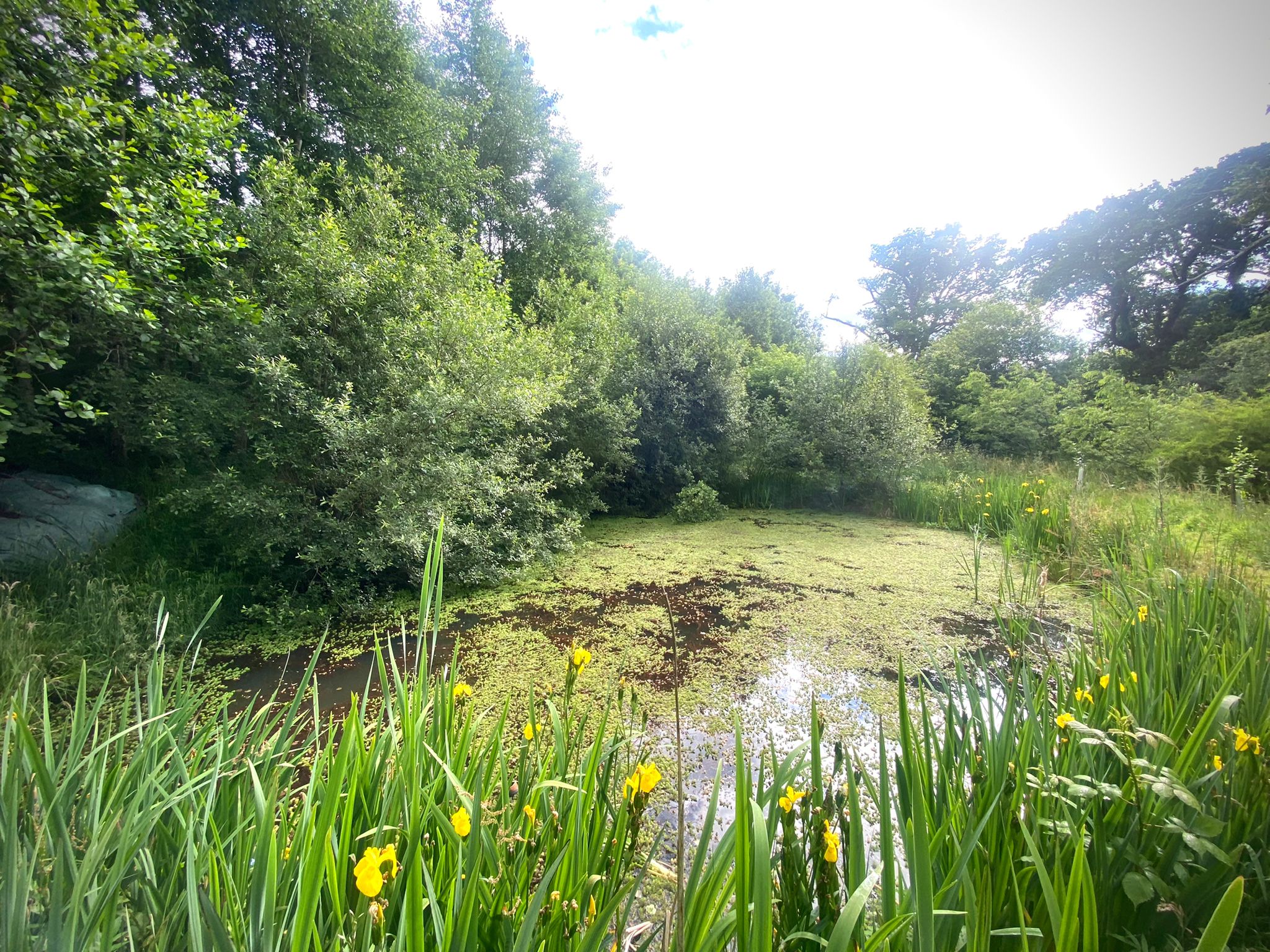
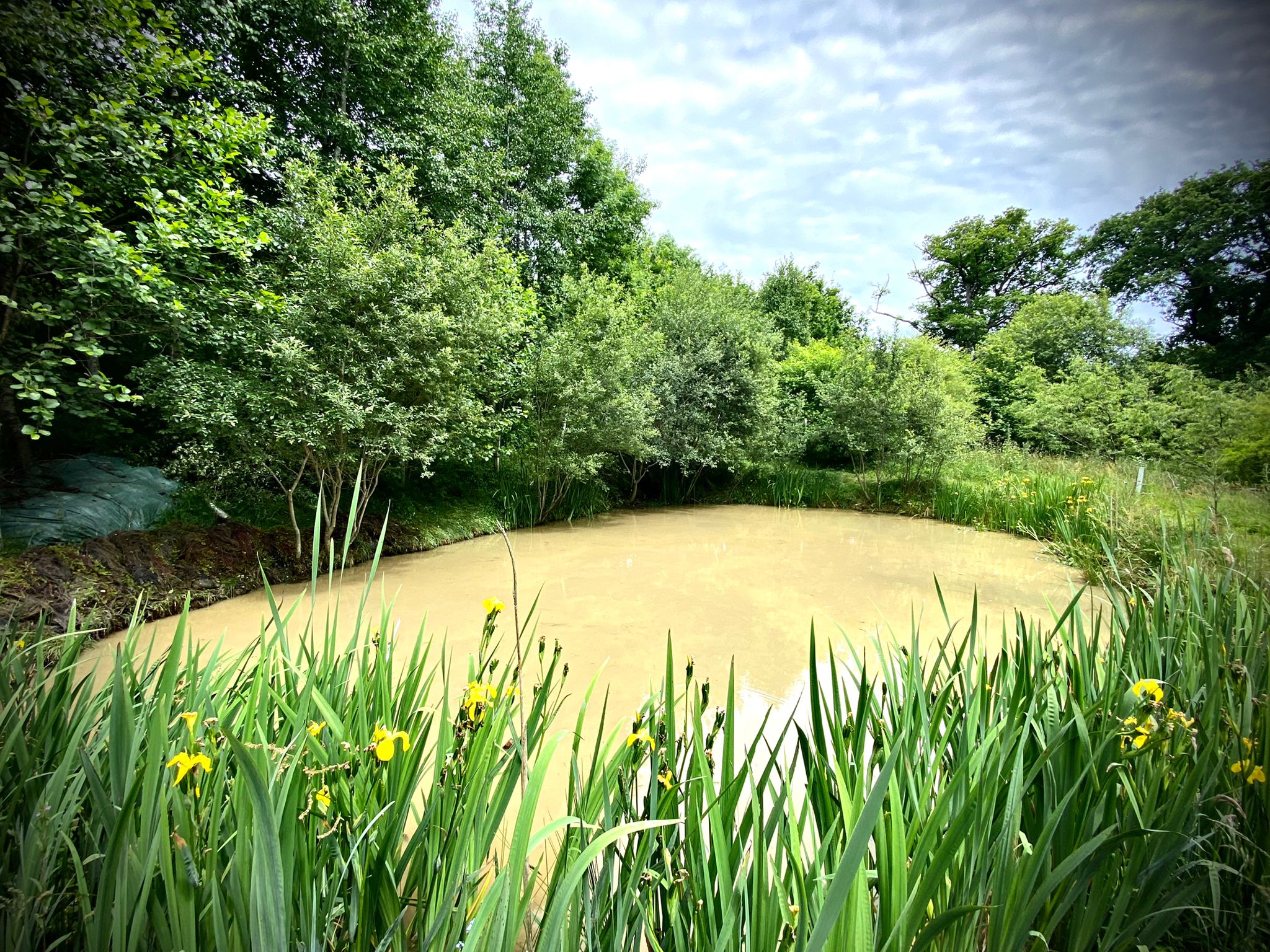
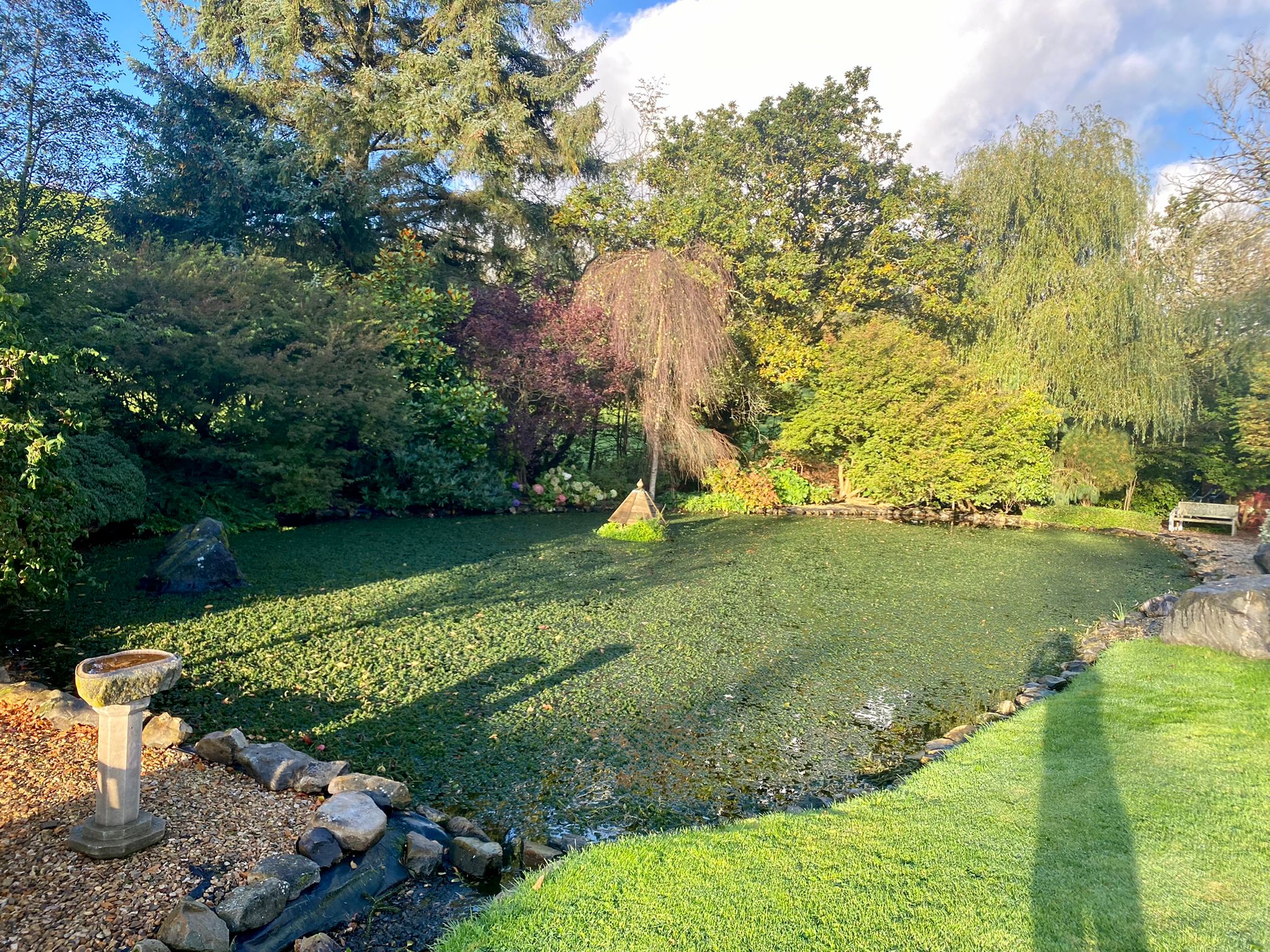
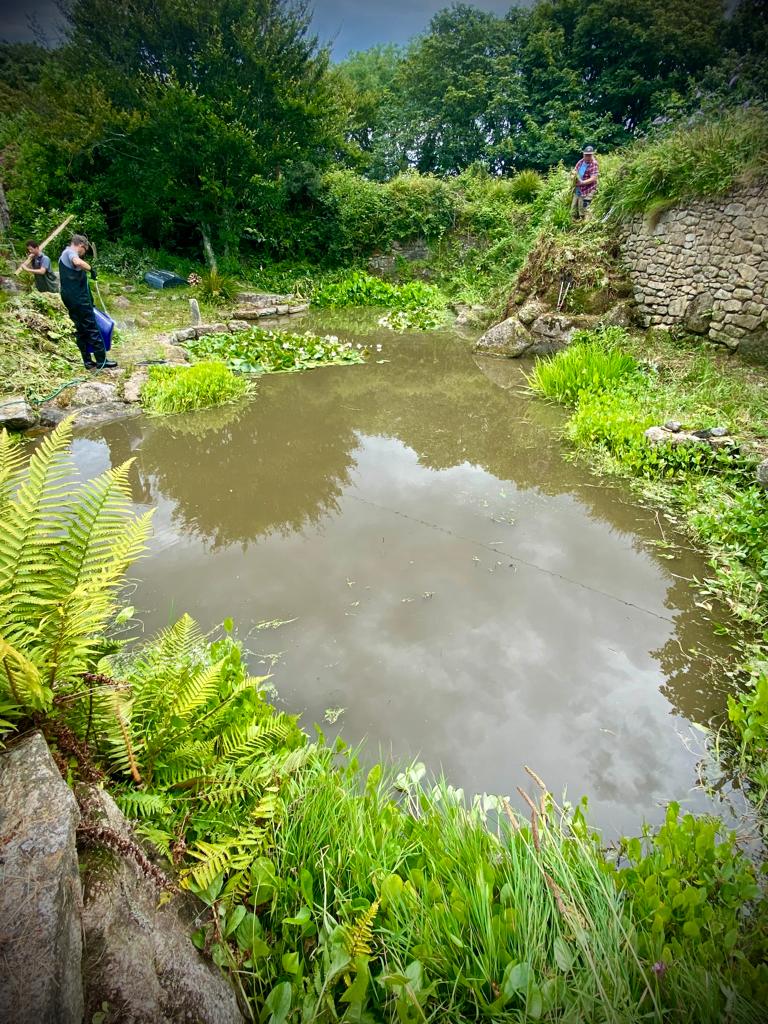
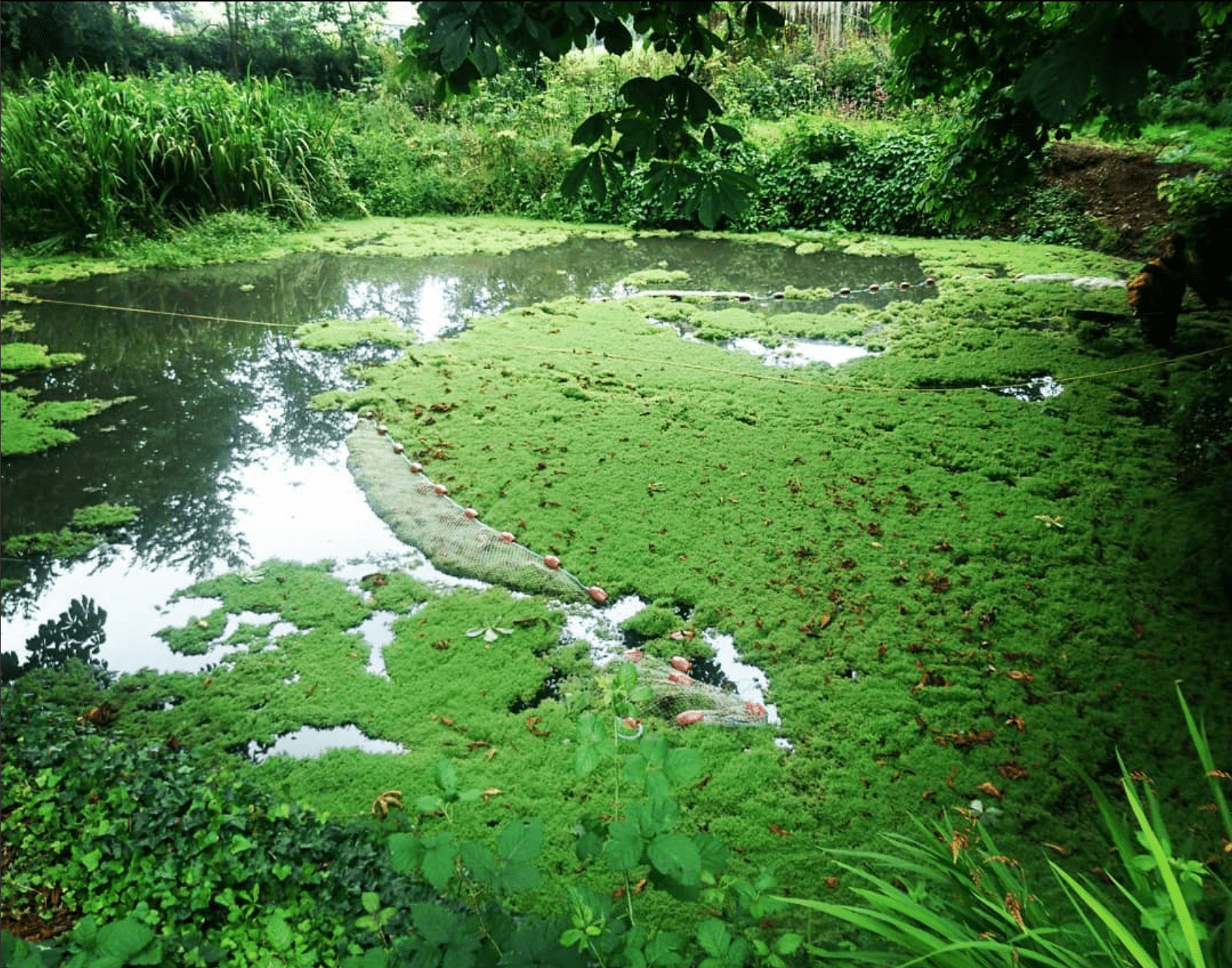
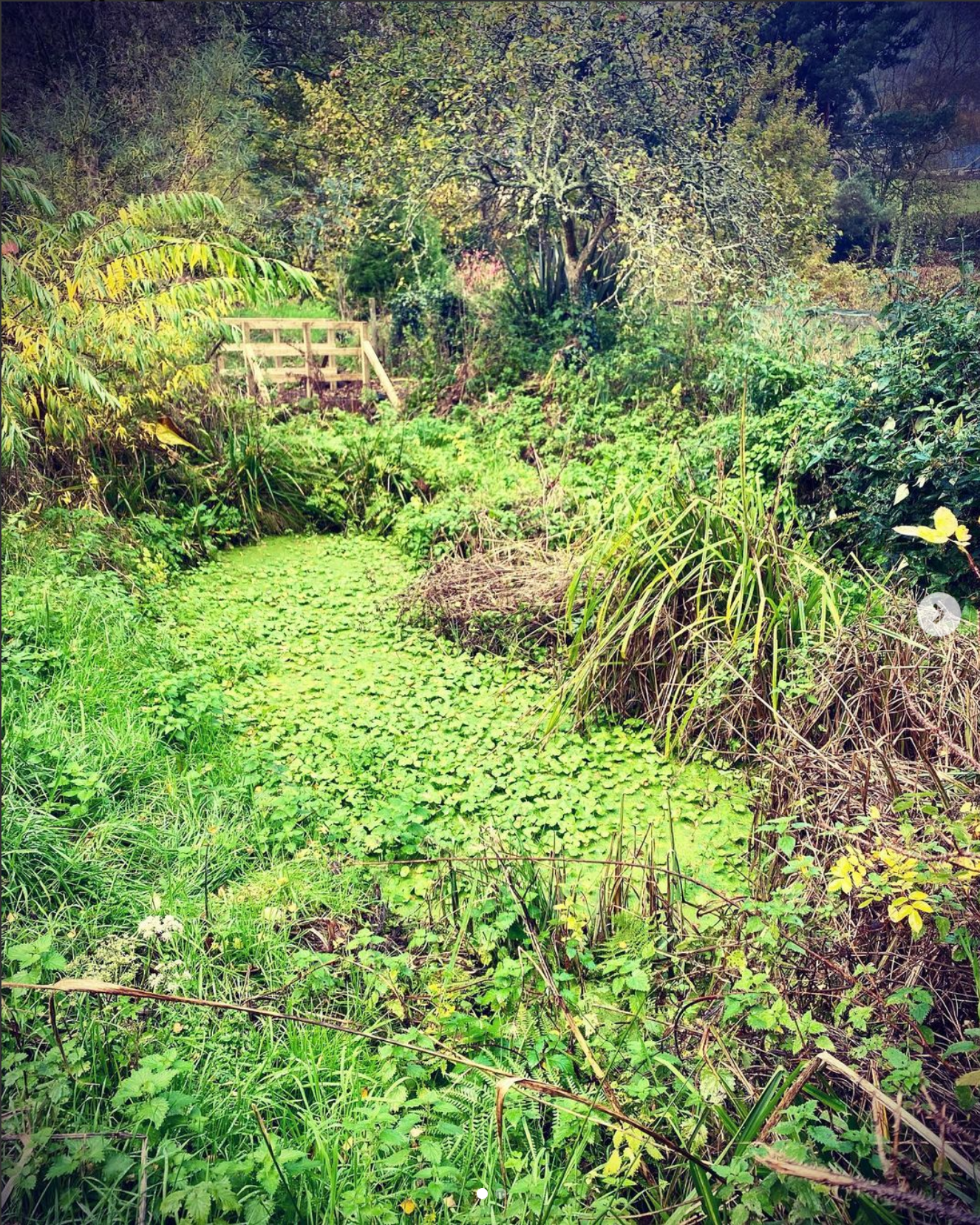
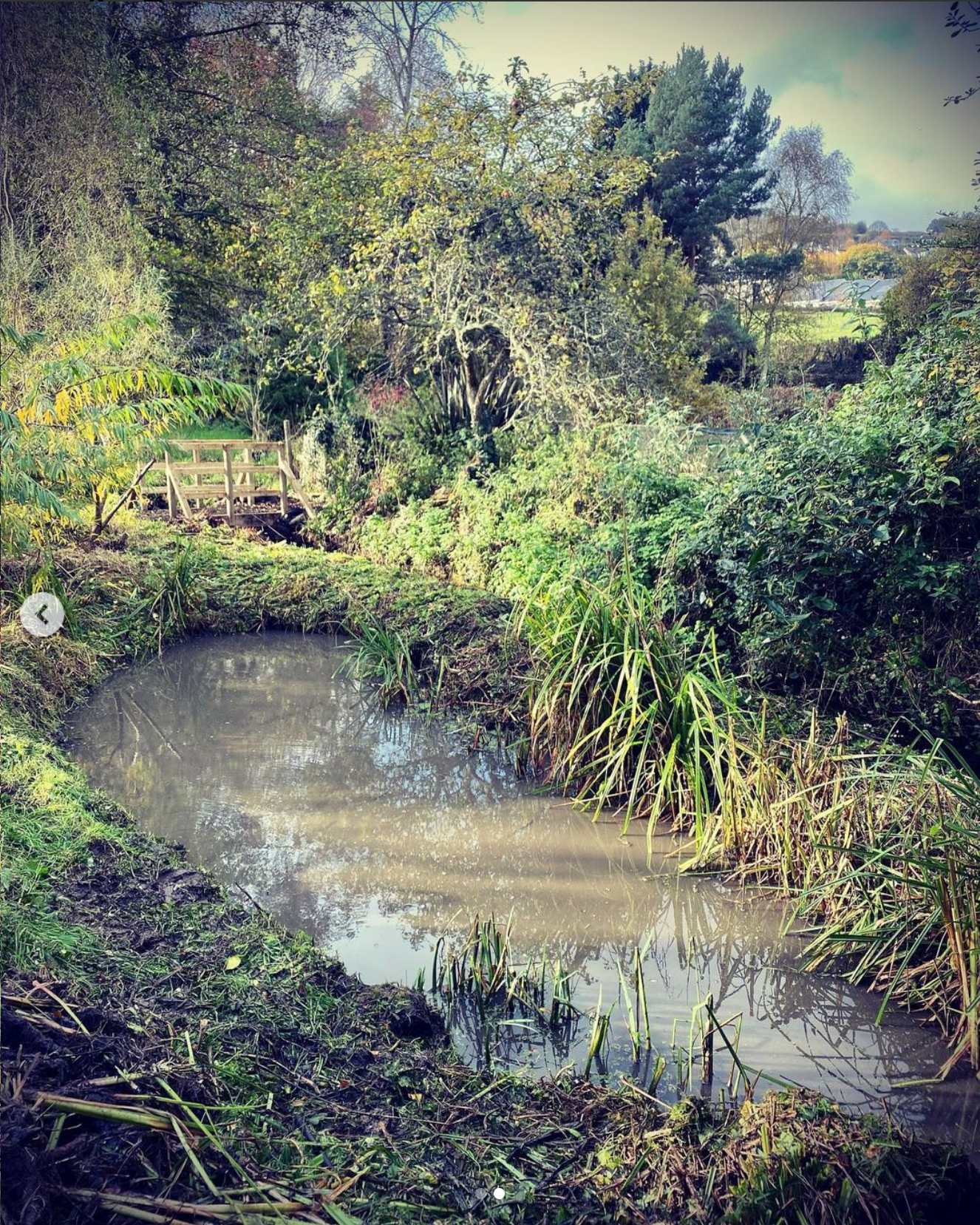
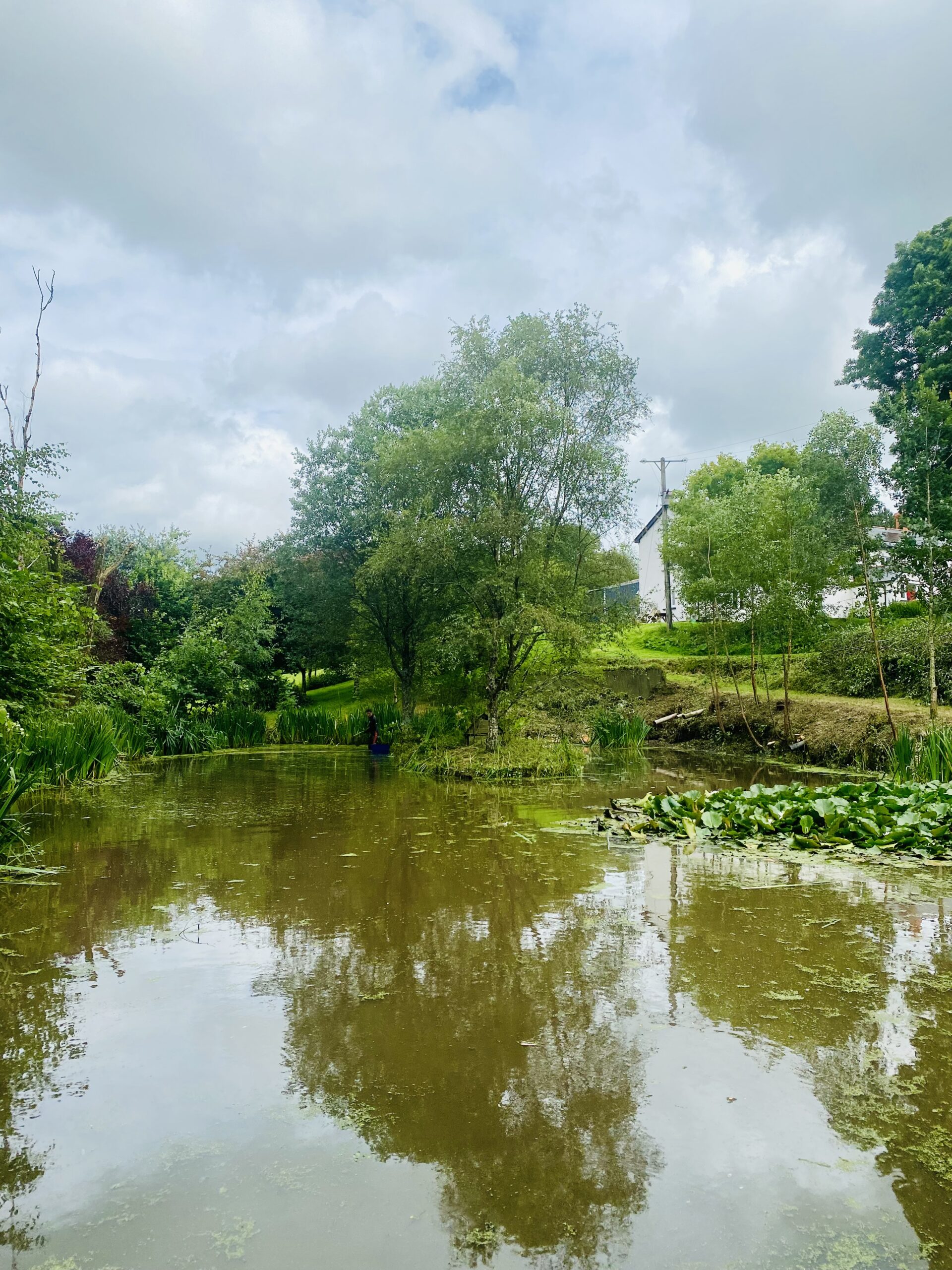
Below are some examples of bankside pond and lake maintenance, and aquatic weed removal prior and after work.