Garden Wildlife Ponds
Here are some garden wildlife ponds we have completed, and very much enjoyed creating for clients throughout Cornwall, Devon, Somerset and Dorset, and some other counties in the Southwest. All are bespoke, working with nature and our clients’ expectations, with suitable design beneficial for local terrestrial and aquatic flora and fauna, protecting biodiversity, enhancing people’s outdoor space, and helping to teach people how to reconnect with nature to improve wellbeing.
A beautiful wildlife pond created in Dartmoor national Park, Devon. The excavated spoil was utilised for creating a Devon bank, which we later planted with a mixture of wild flower seeds and low growing native plants suitable for pollinating insects. The pond was created with a mixture of aquatic plants beneficial for bees and dragonflies, also incorporating rafting varieties good for invertebrates and also helping to prevent poor water quality. A hibernacula was created just outside the pond as another stepping stone and refuge for wildlife.

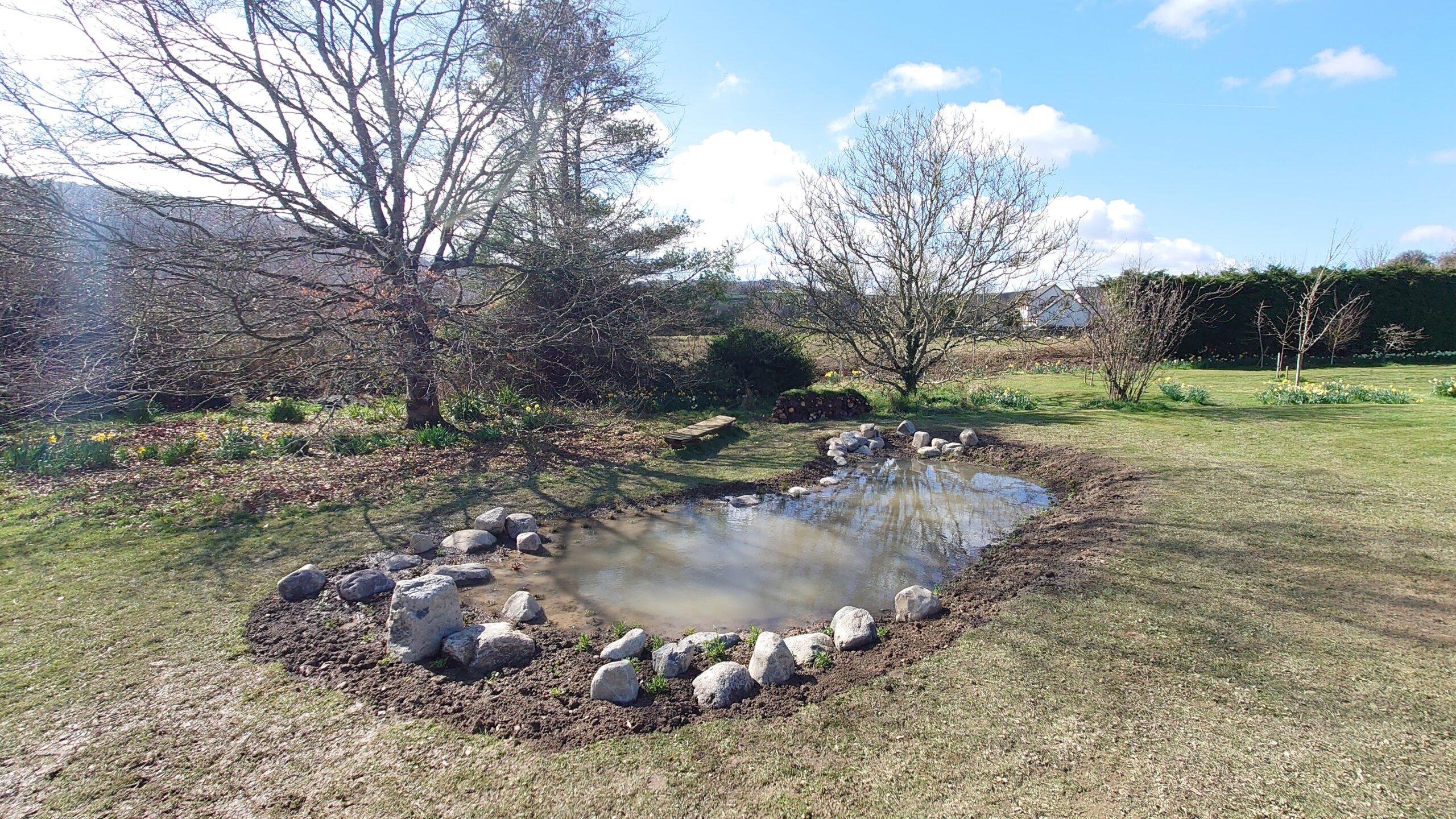


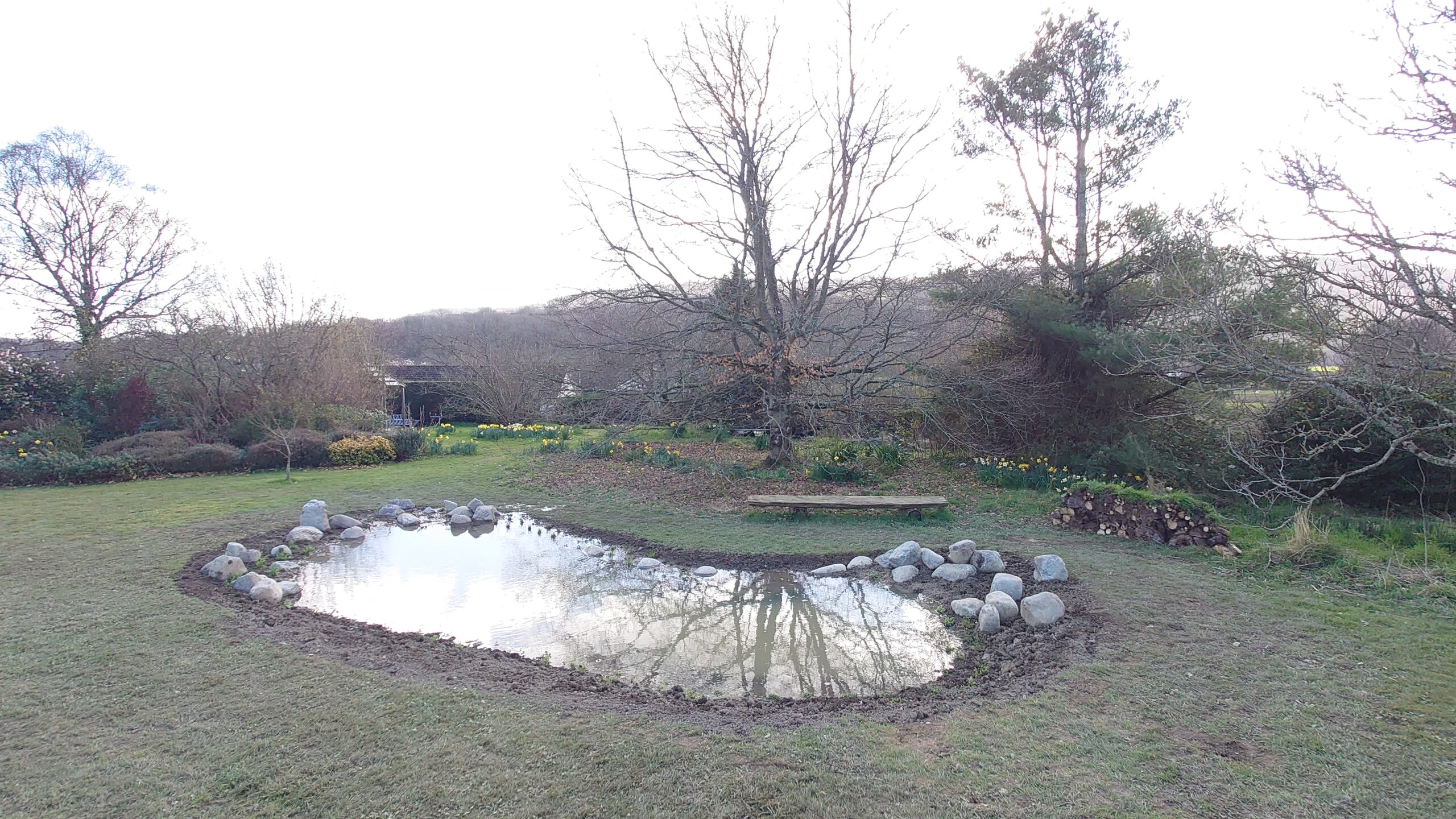
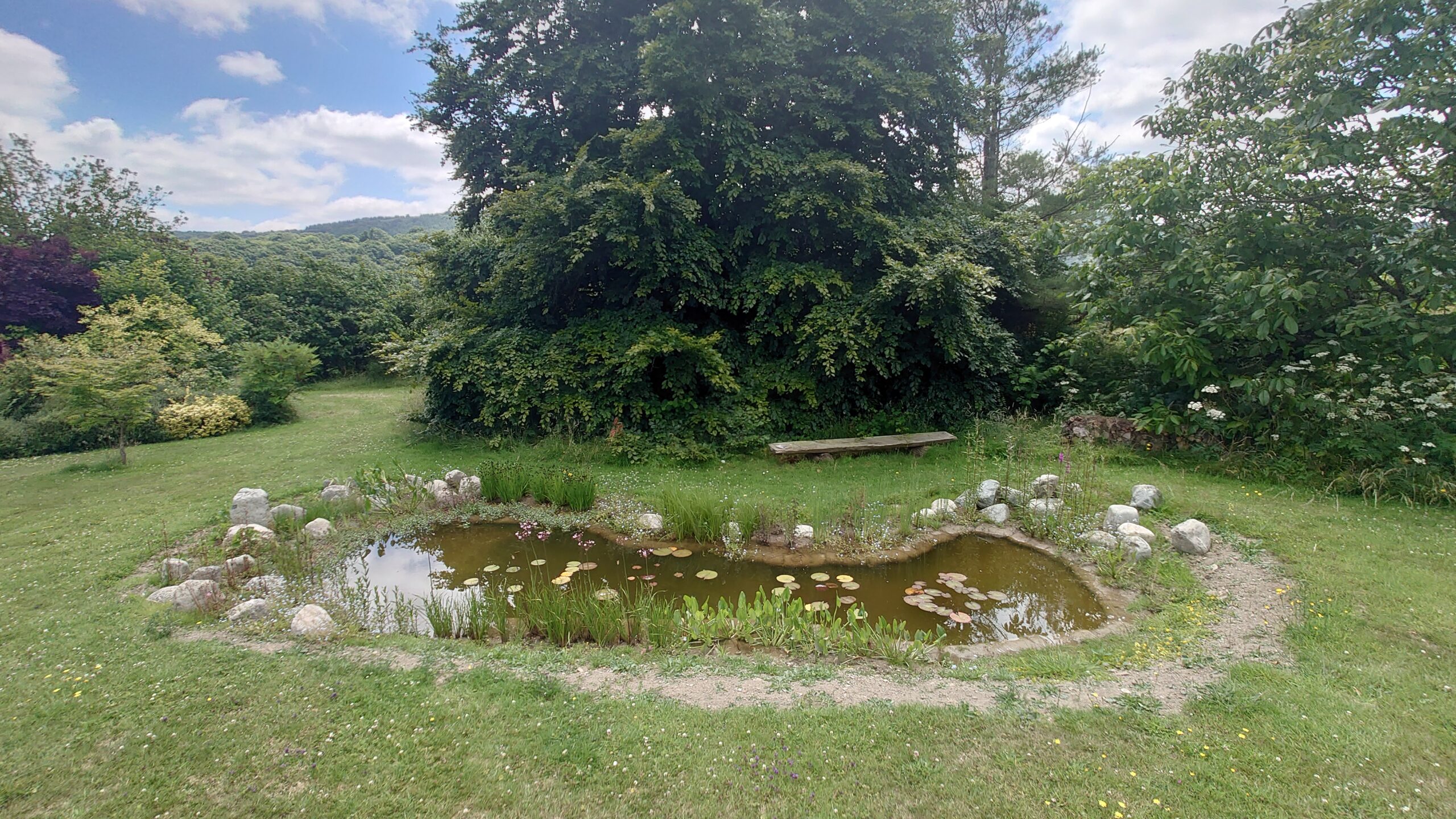
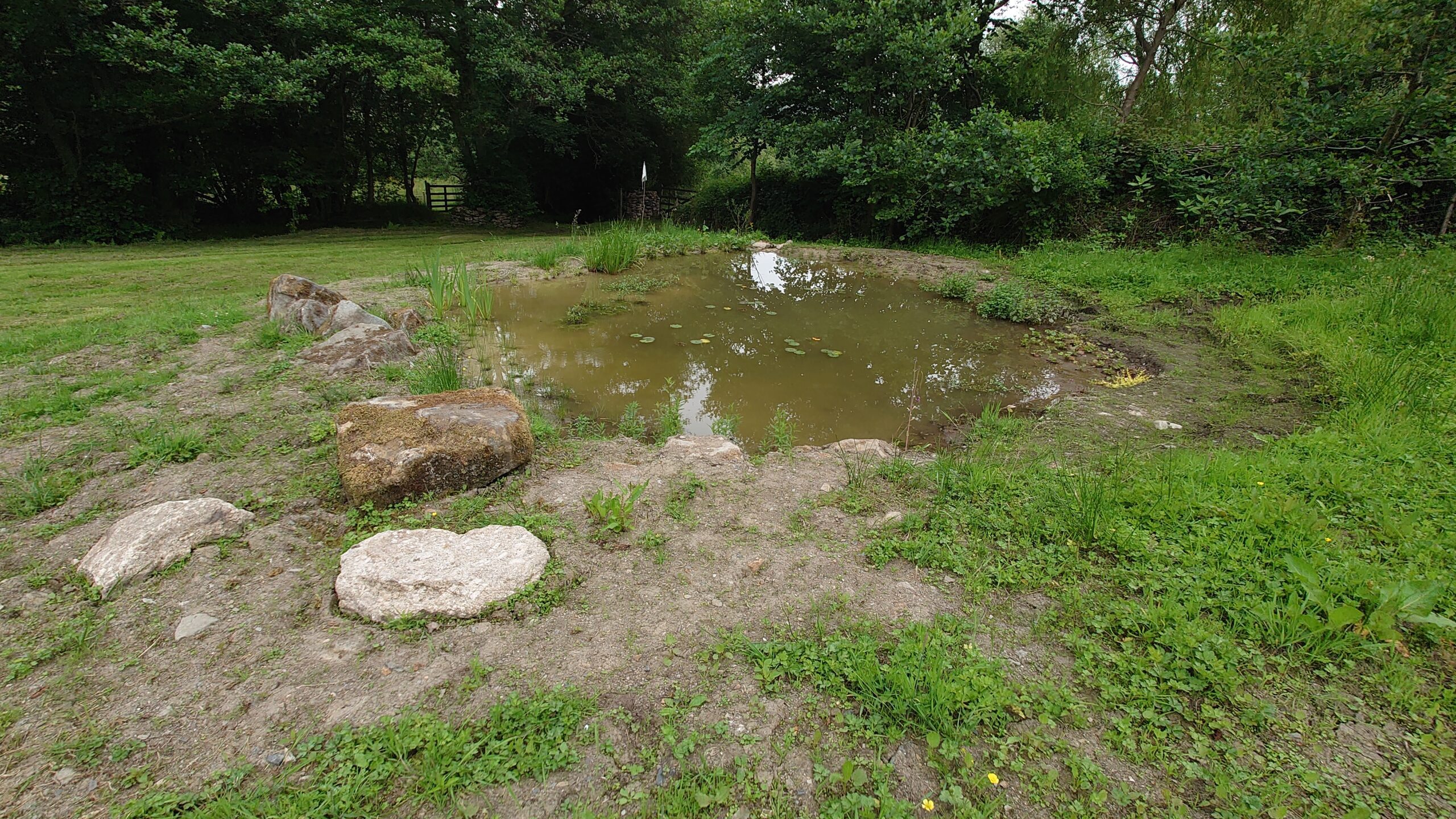
Here is a wildlife pond created in Dartmoor National Park. Edged with spoil from the surrounding area for suitable planting substrate for aquatic plants within the wet areas, and a seed mix of low native grasses and wild flowers creating a haven for wildlife, from amphibians and dragonflies, to pollinating insects and ground nesting birds. We also incorporated some areas for wildlife refuge from old timber and boulders found on site.

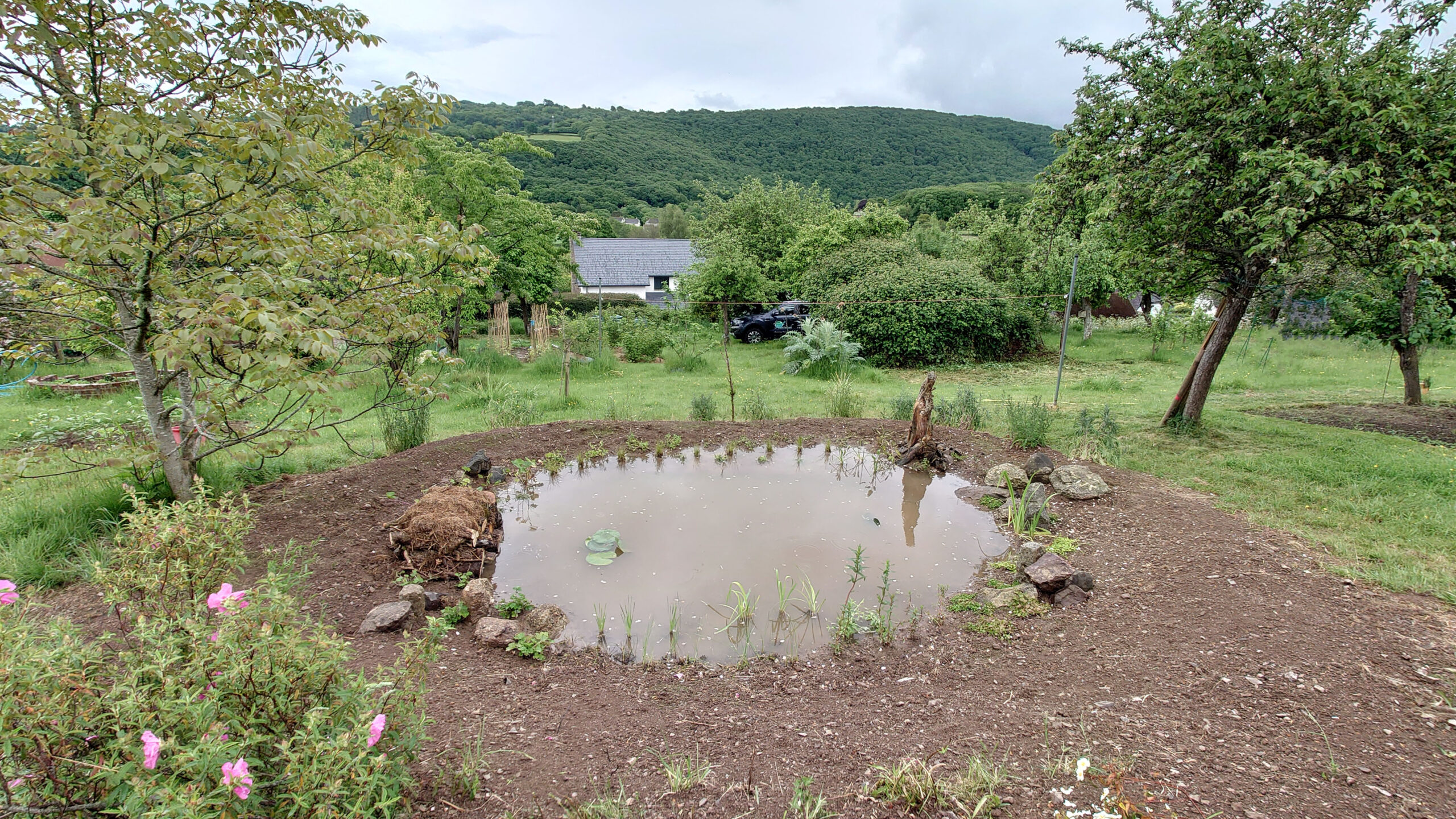


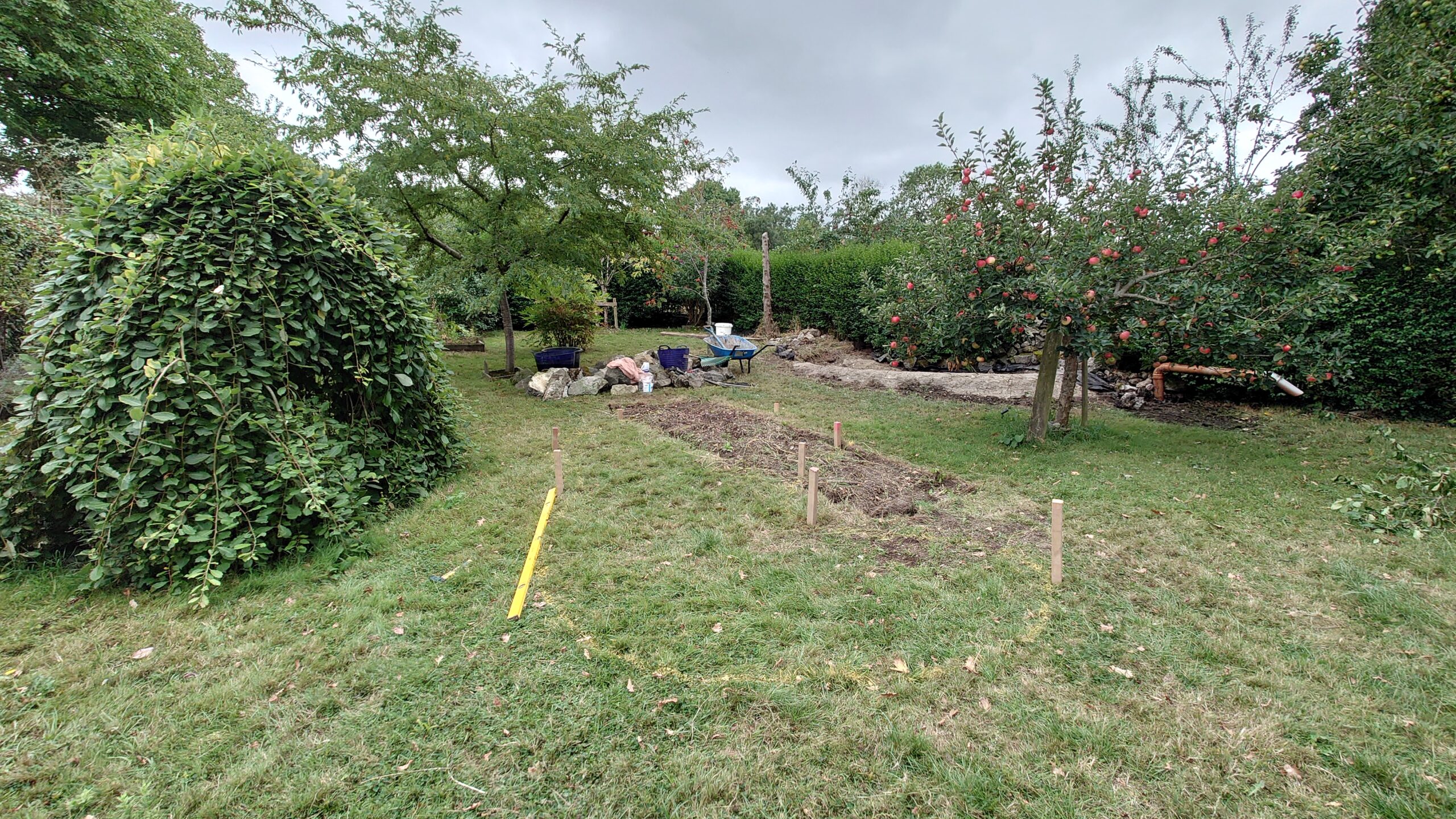
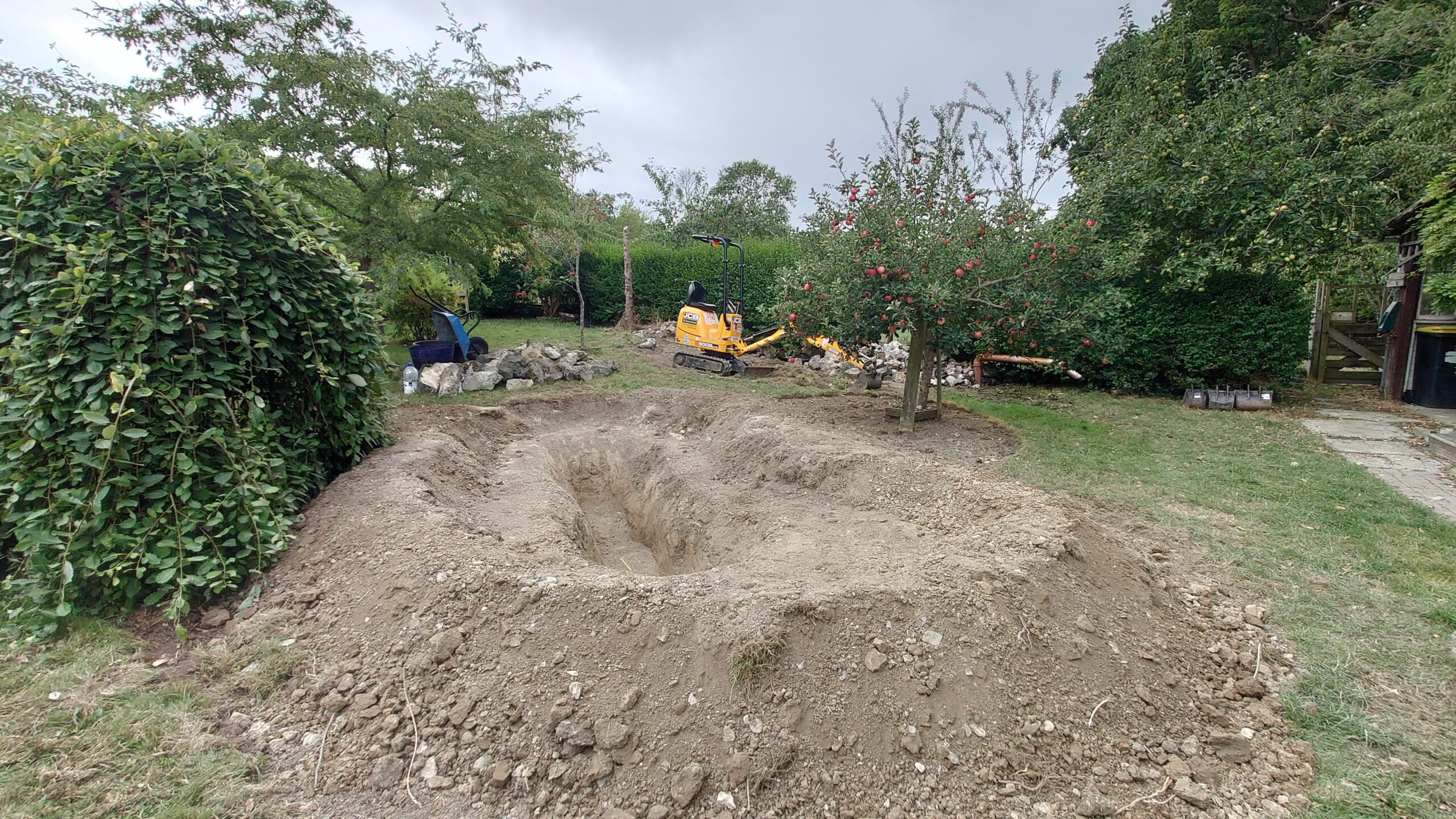
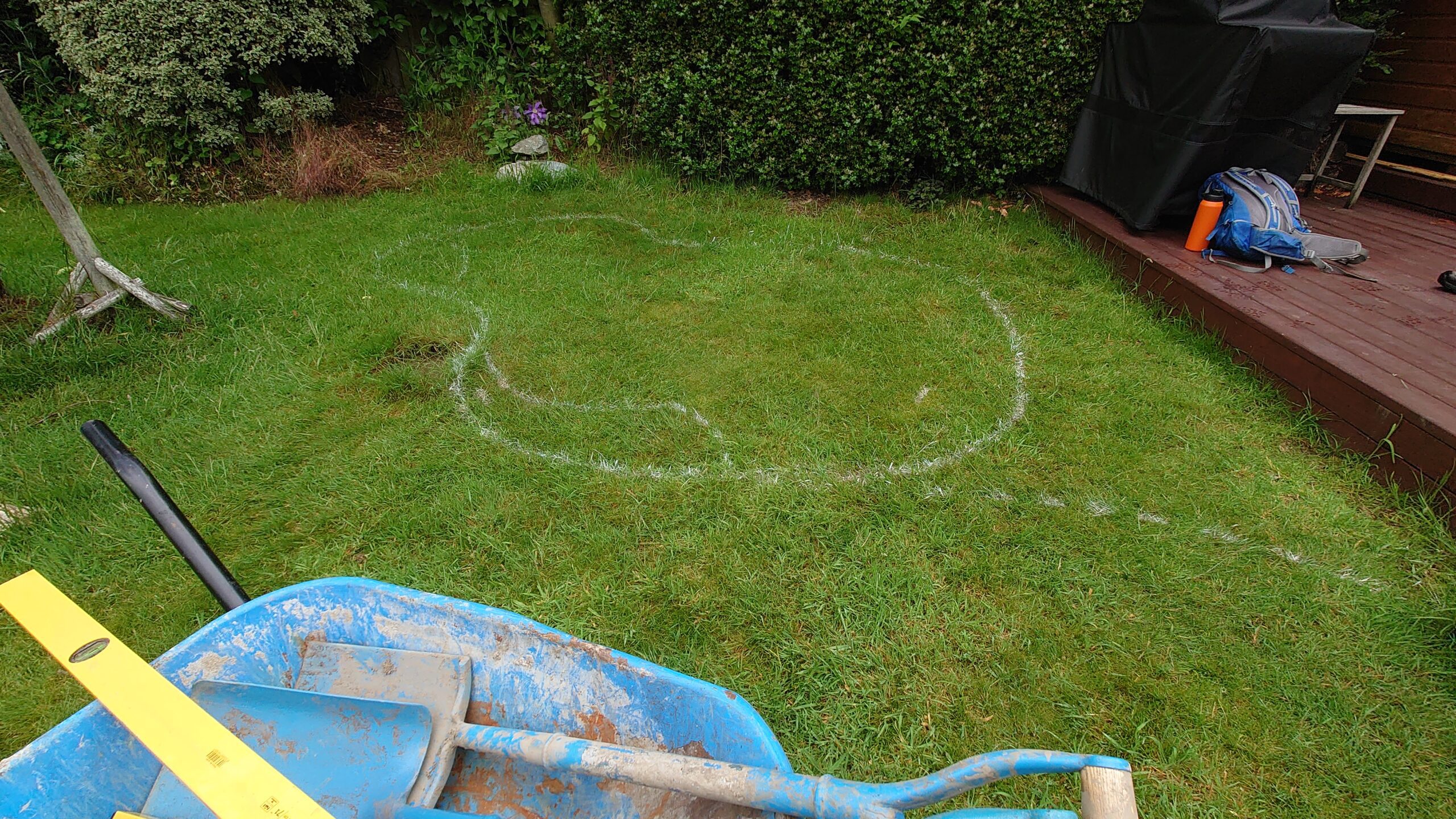
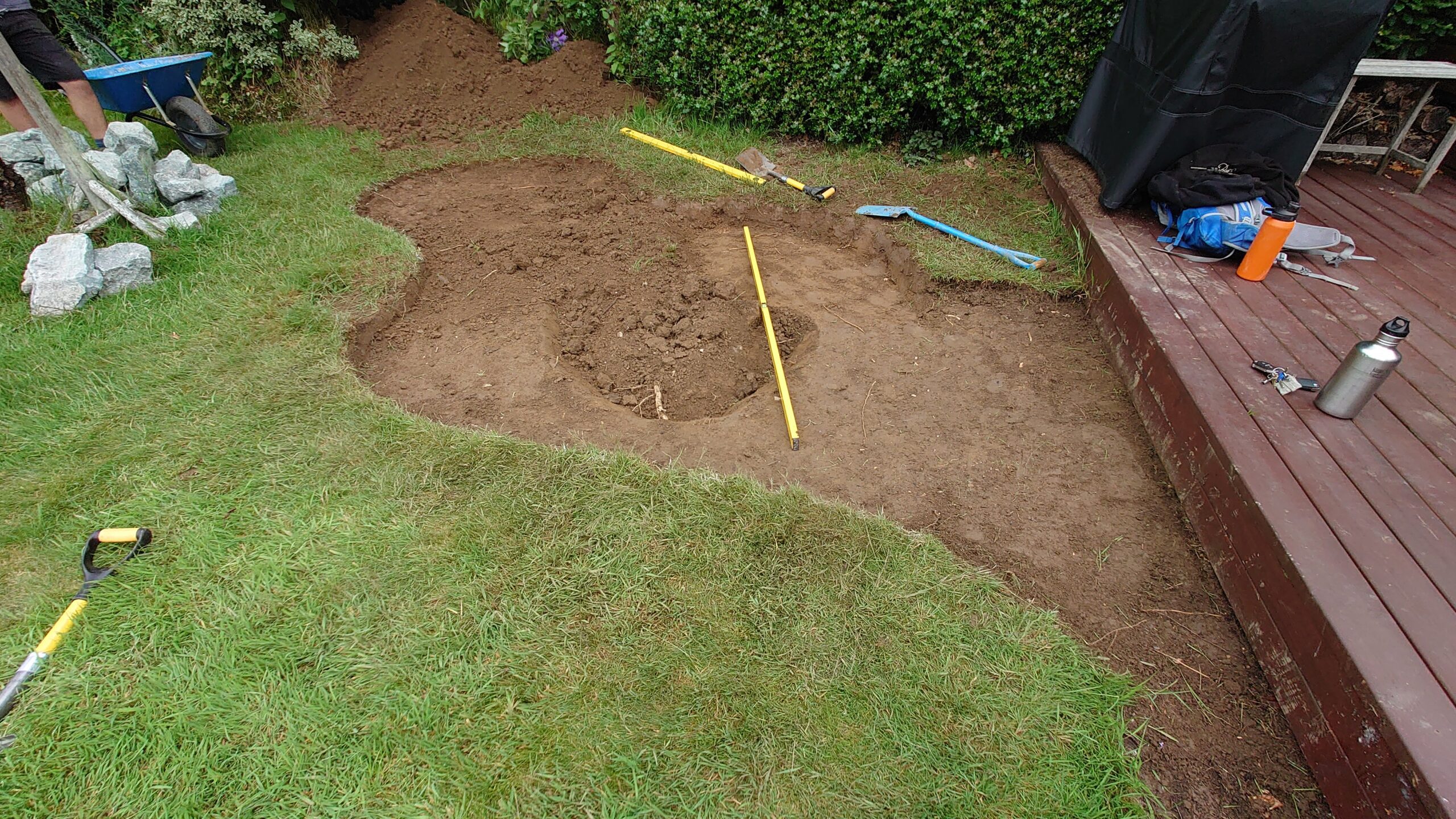
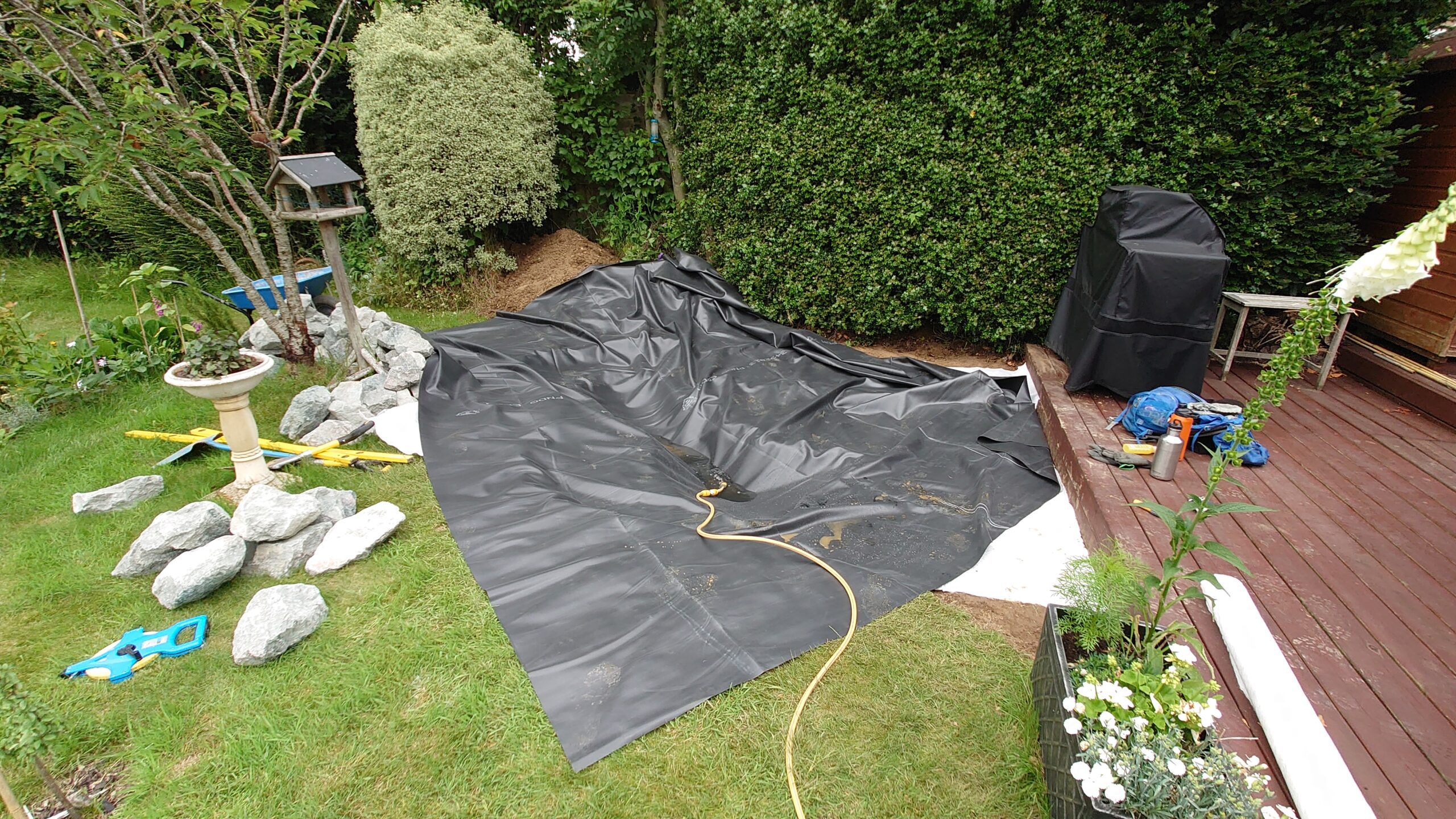
A lovely example of a small wildlife pond in Devon showing the simple steps in creating an important stepping-stone for wildlife in your garden. From marking out a suitable area, excavating with depths for wildlife and water lilies, lining and aquatic planting. This pond was also seeded with a low growing mix of wild flowers and grasses, and pebbles used for added aesthetics.
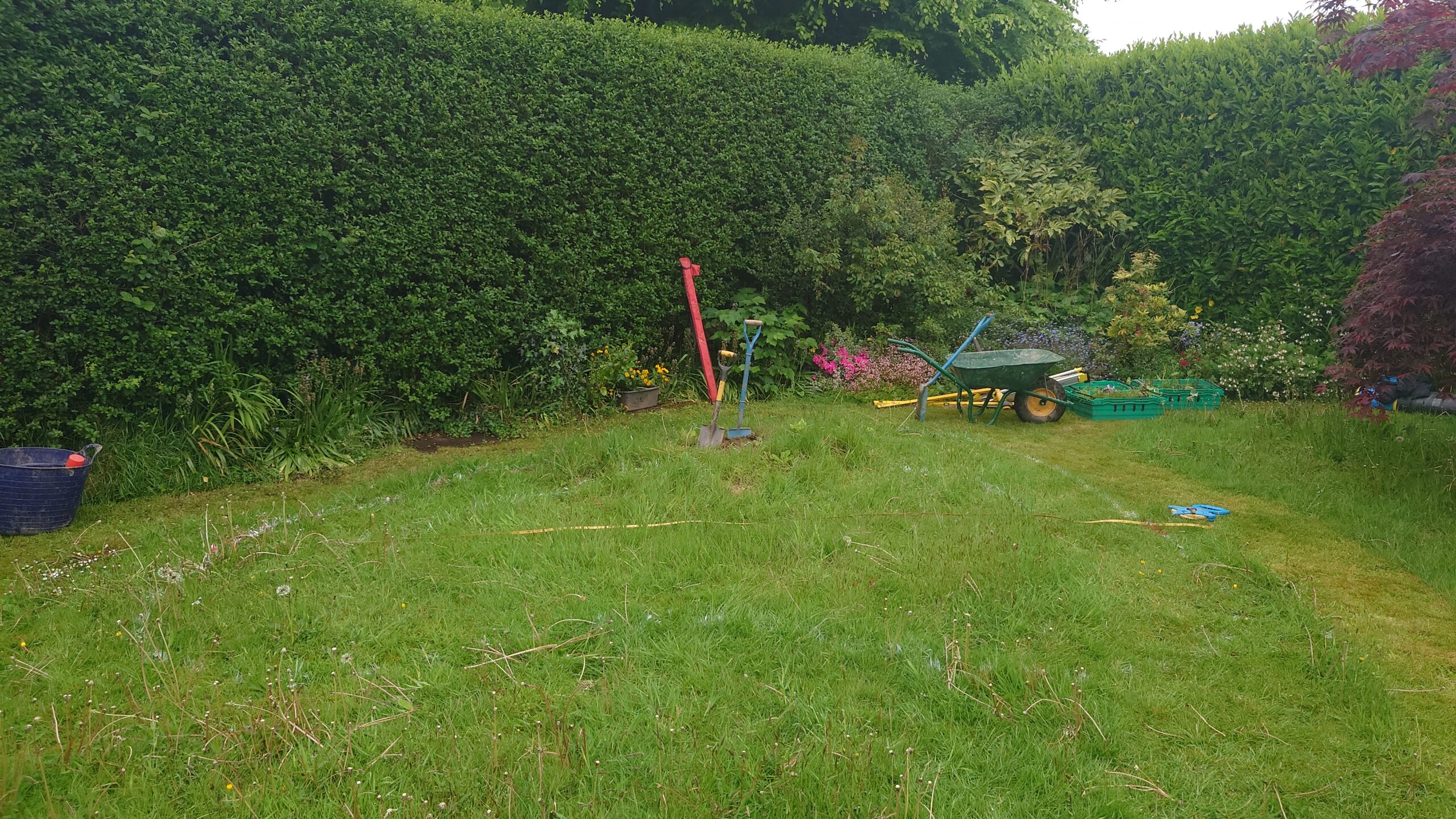
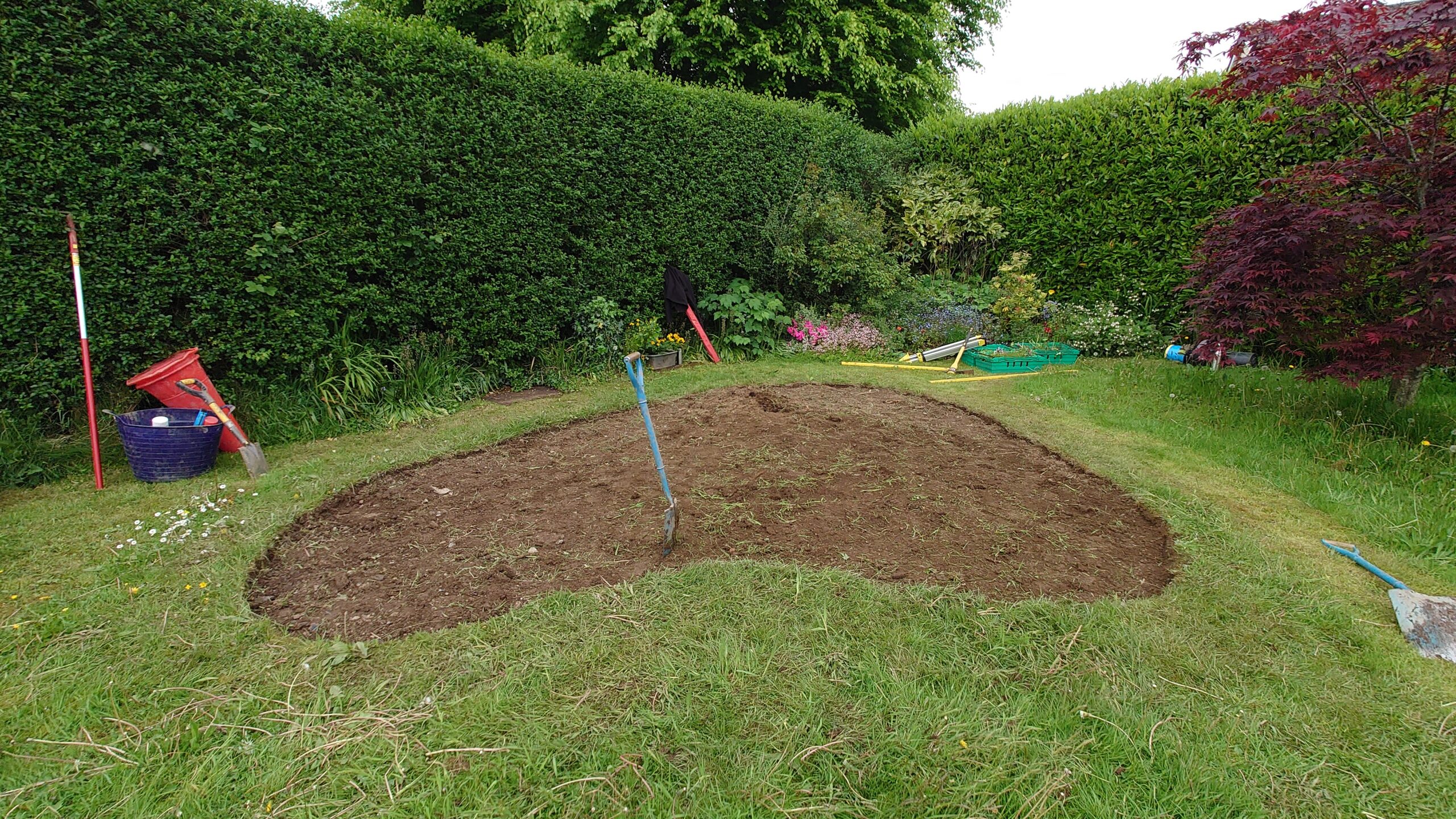


A couple of small garden wildlife ponds created in Dorset. These ponds were both edged with a local Purbeck stone, and natural pea gravel edge around the perimeter for wildlife migration. Native aquatic plants were used to compliment the existing native garden planting scheme throughout the garden. Steppingstones were added for access to the rest of the garden and two hibernacula for wildlife refuge on the pond perimeter.


A small wildlife pond designed and built in Devon for aiding wildlife connectivity within an already ecologically diverse garden. Edged with a green slate and blue pebble edging with native aquatic planting to compliment the existing garden planting scheme. A small cascade was built for added client enjoyment.
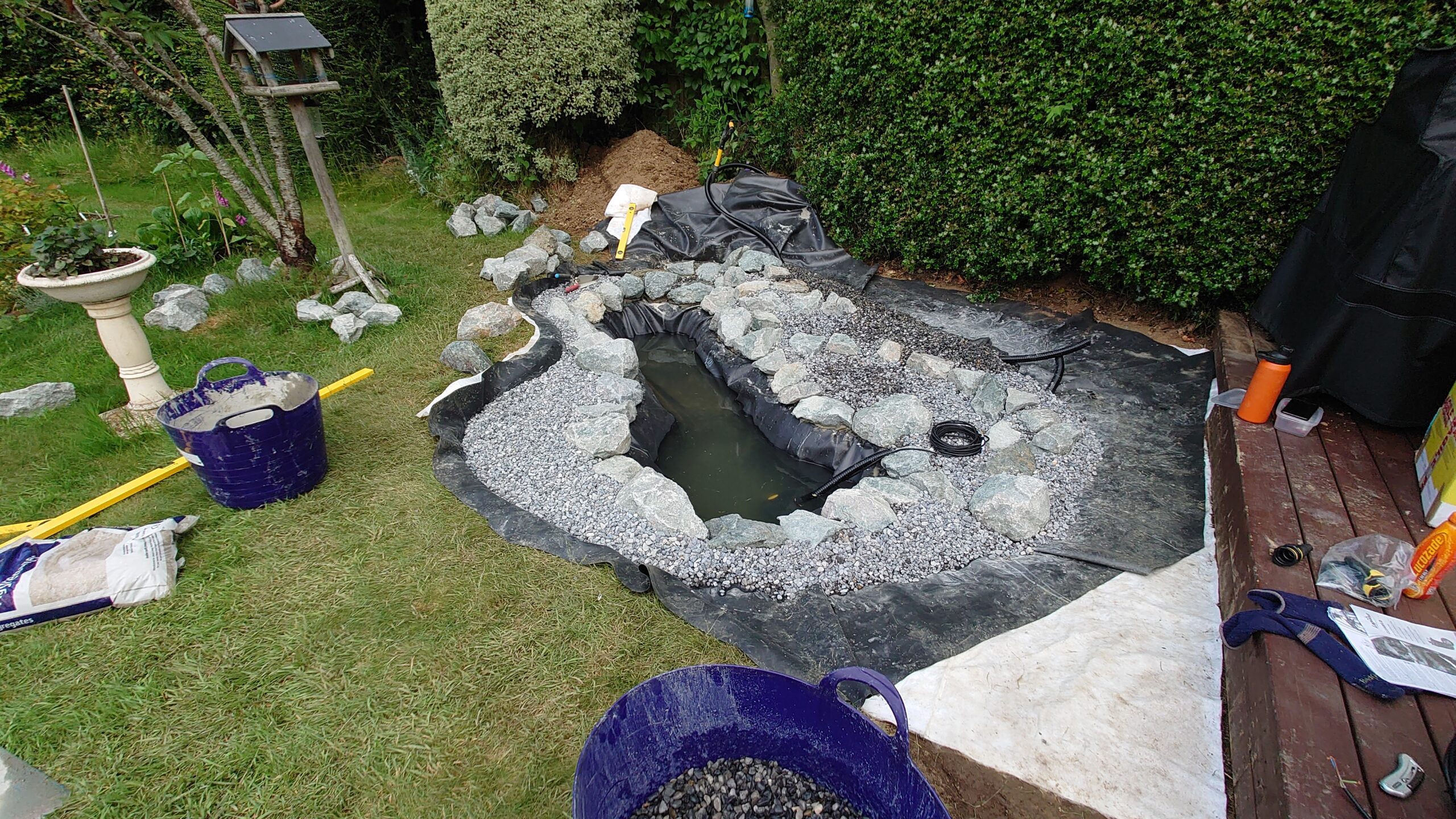
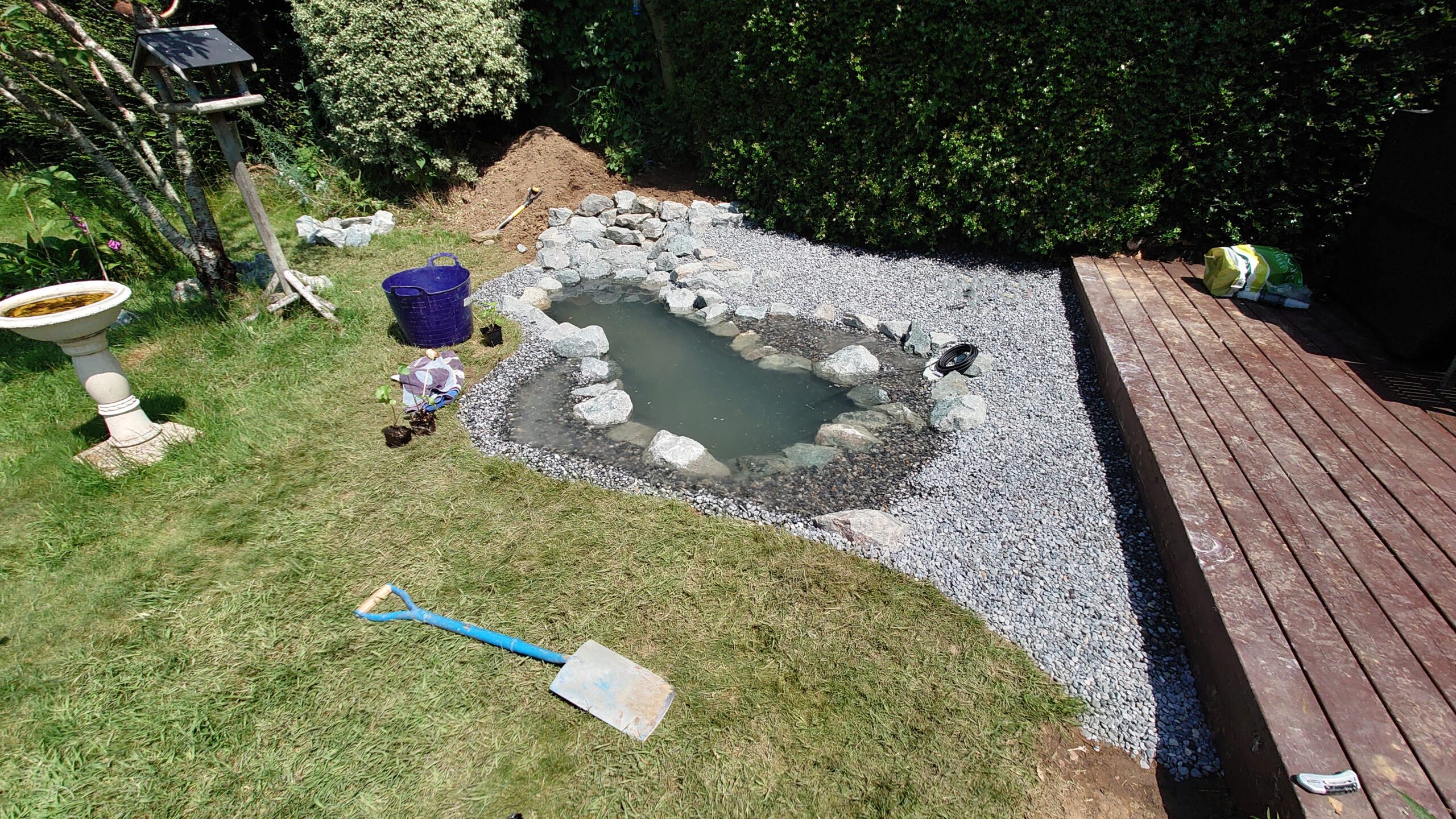

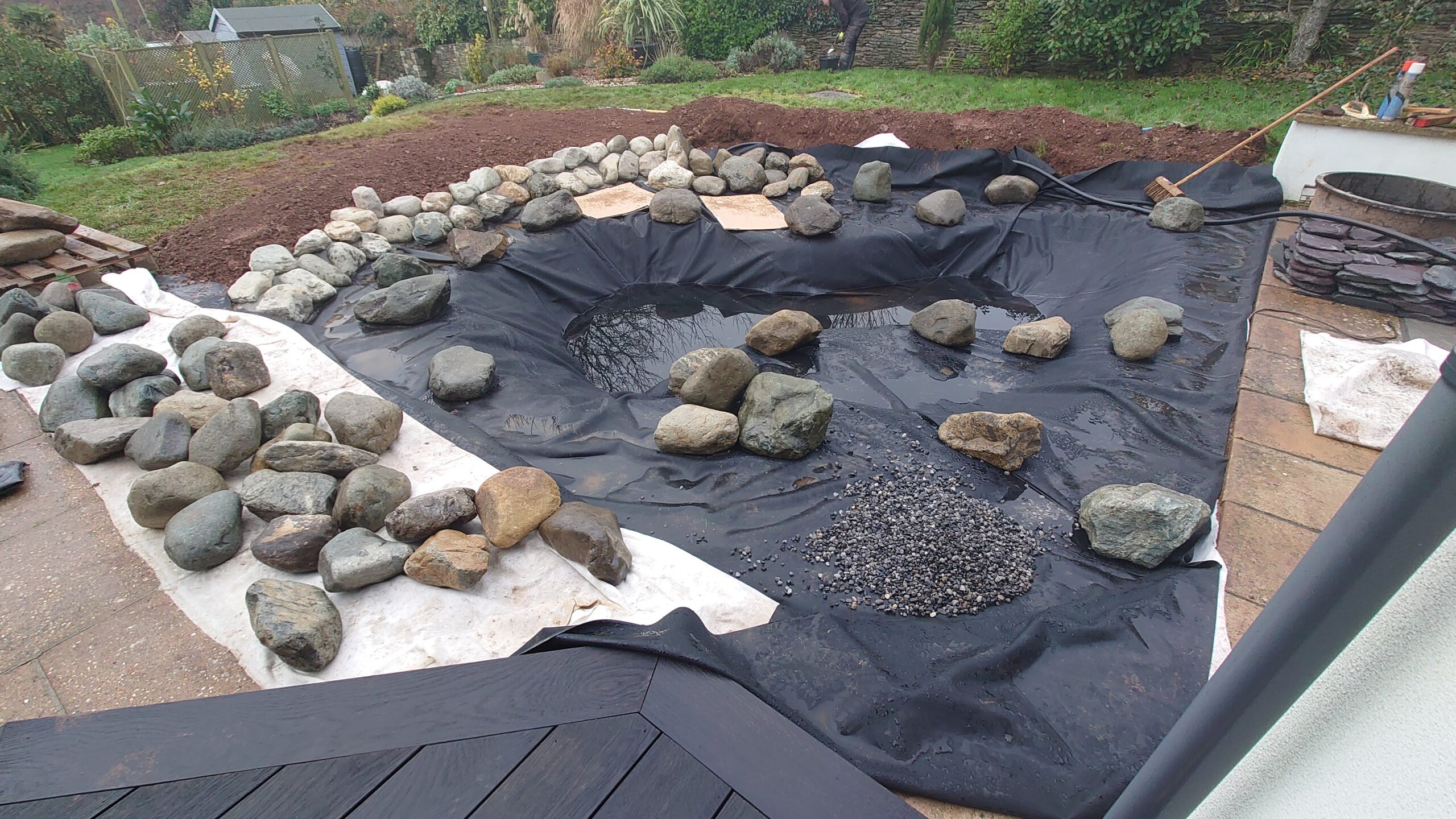
A lovely natural wildlife pond built in Devon. We wanted to encourage more wildlife into the garden and also provide a design suited to the property overlooking an estuary, so tones and textures blended into the surroundings. The pond was built with boulders, ocean pebbles and slate with a natural beach effect surround for wildlife access. Aquatic planting has included species favourable for bees, dragon and damsel flies, and a bund created on the south side for shade in the summer months, seeded with a combination of wildflowers suited for attracting ground nesting birds, bees, butterflies and pollinating insects. A video and blog can be viewed here.



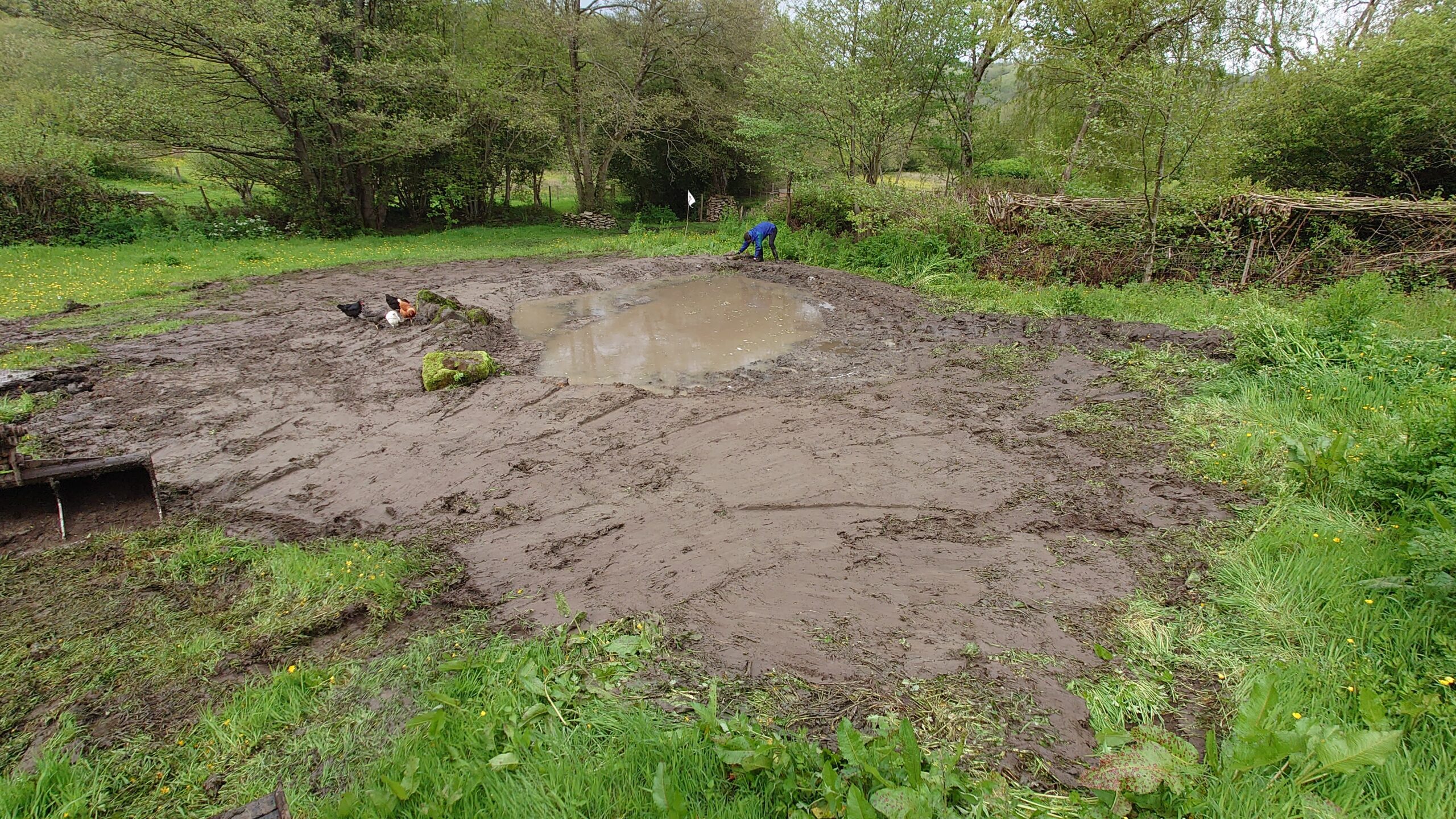
A beautiful natural wildlife pond created in Dartmoor National Park to enhance local flora and fauna, with a 100% native aquatic planting scheme, and a wildflower and wetland seed mix surrounding the pond for benefit of bees and other pollinating insects. Apart from aiding habitat, this pond, due to the natural method of sealing, has contributed to reducing flooding so it can now be accessed and enjoyed by the client all year round. The stone was dug from excavation and used for adding further feature to the overall design.



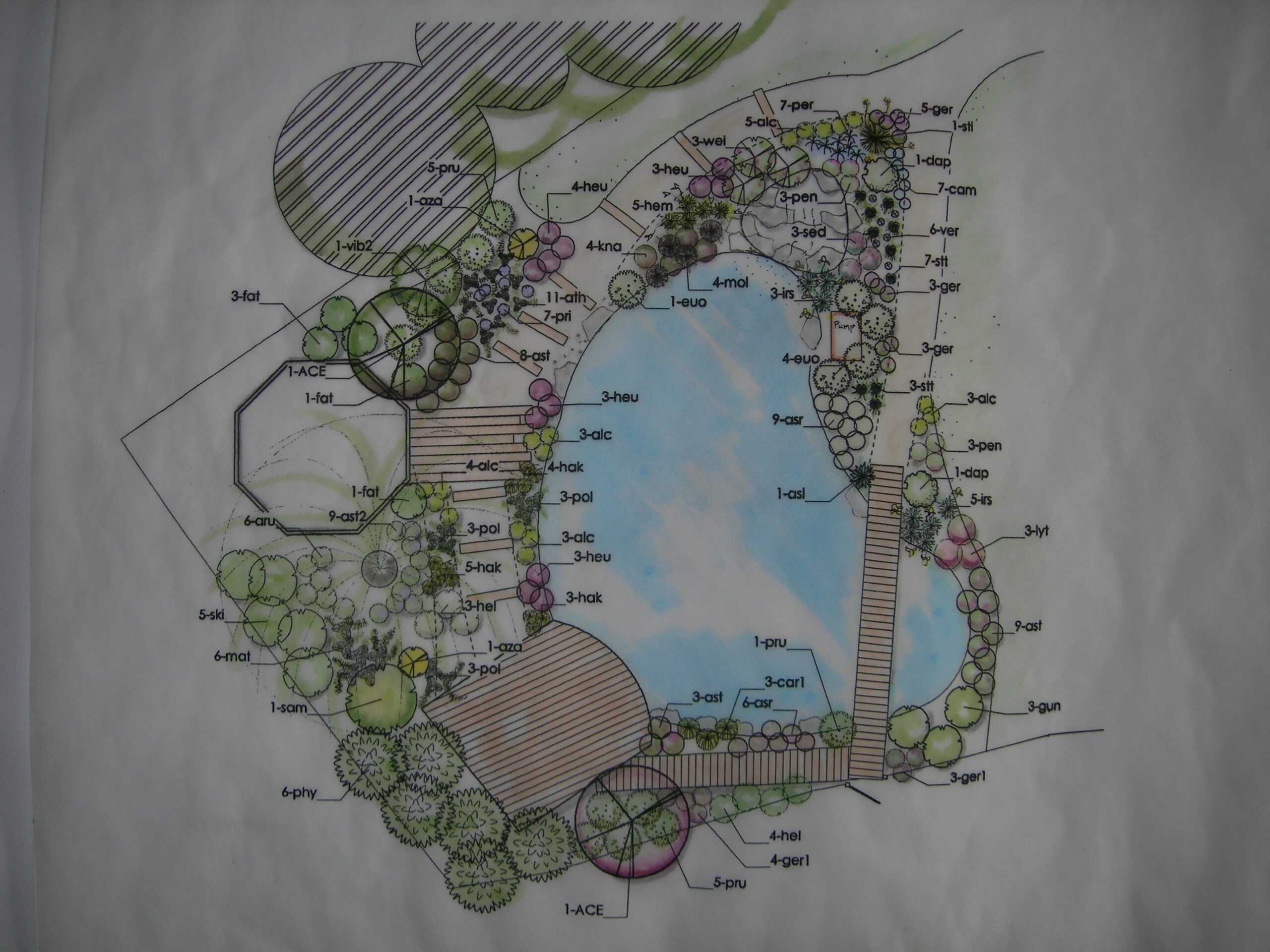
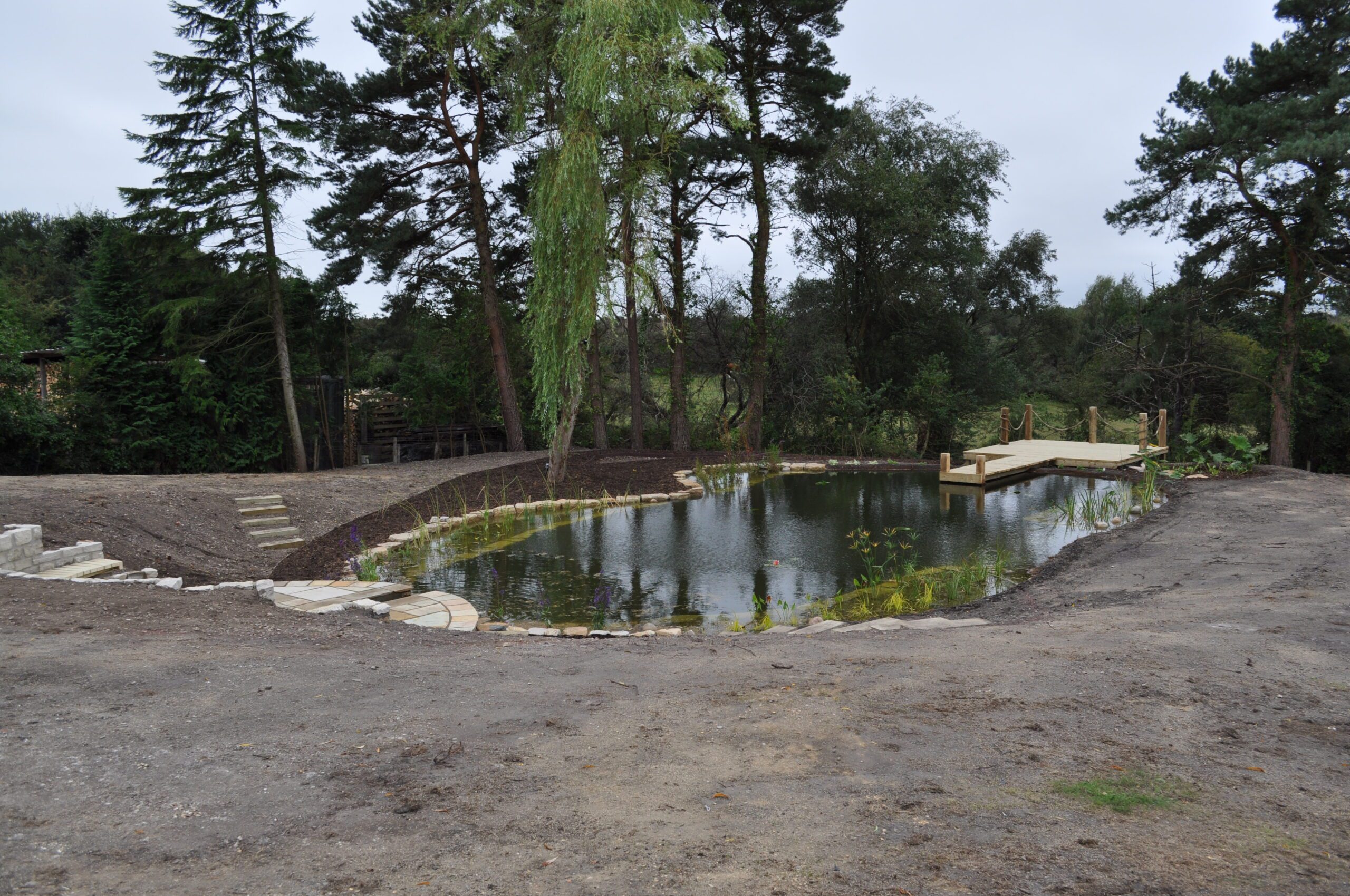
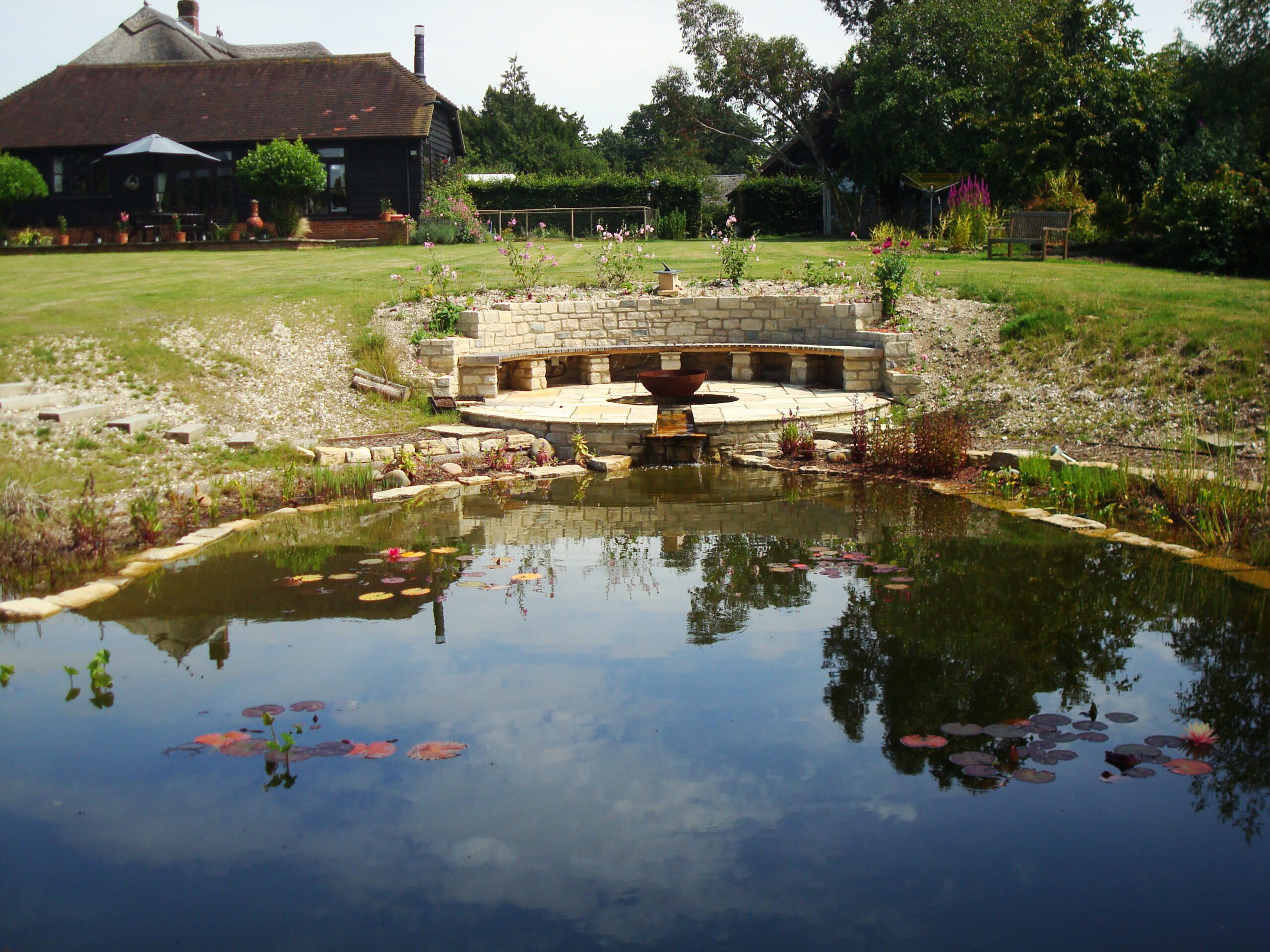
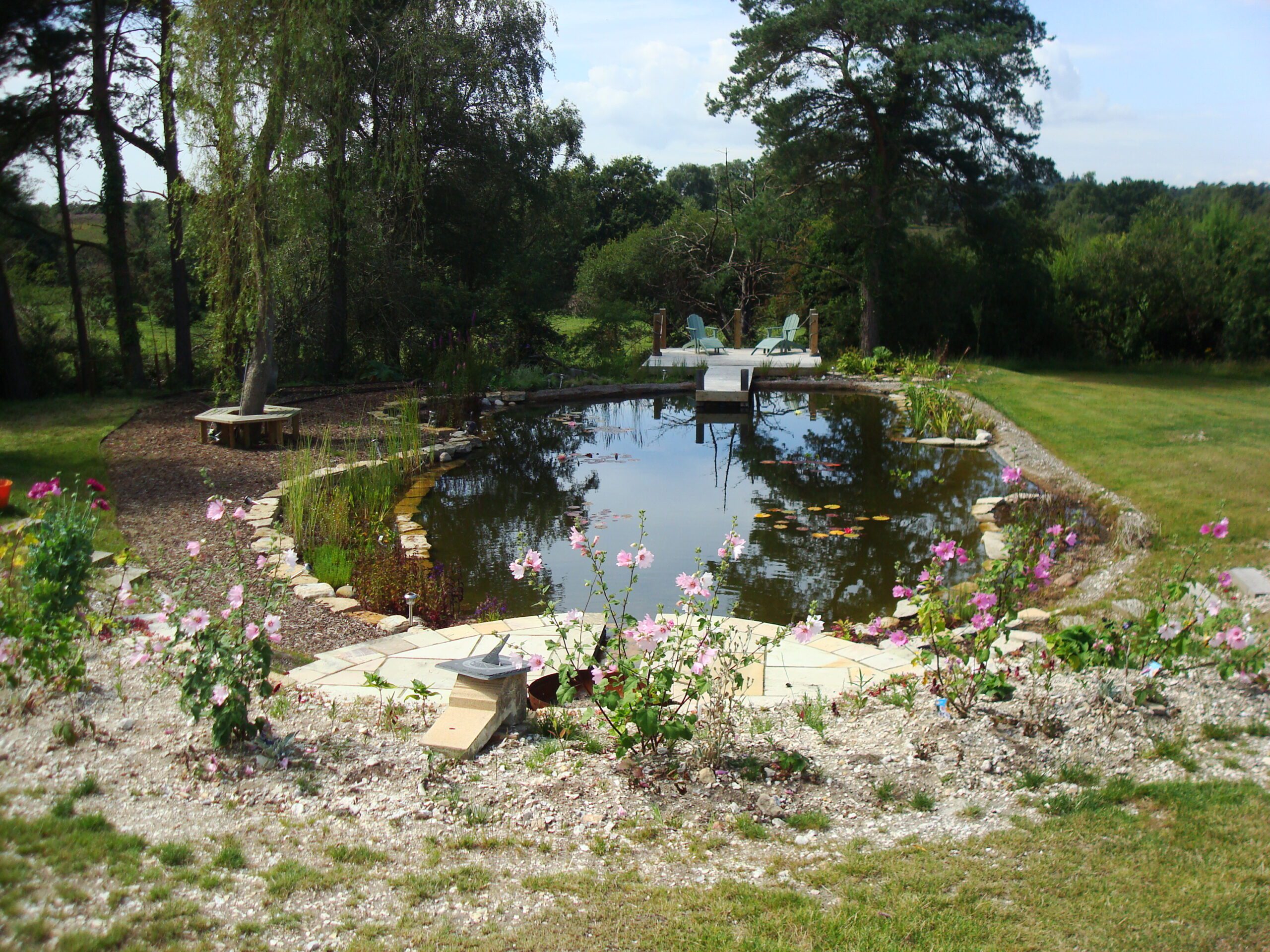
A stunning wildlife pond designed by local designer in the New Forest, and built to incorporate breeze house overlooking the pond, a wooden walkway for access into the forest, wildflower planting on hillside, and cascade to help reduce traffic noise. Aquatic planting was mainly native, with some other beneficial species for pollination and dragonfly attraction added.
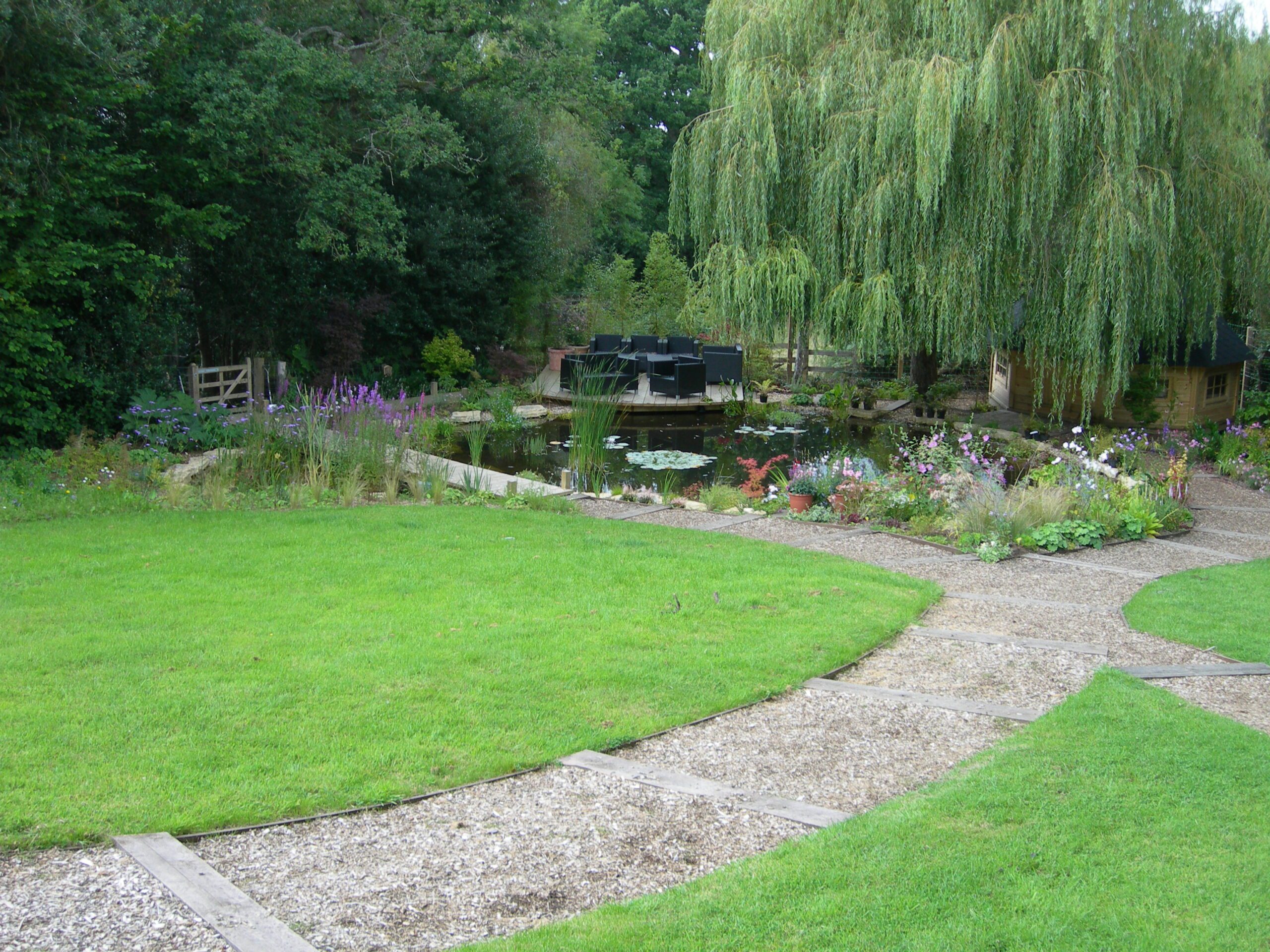


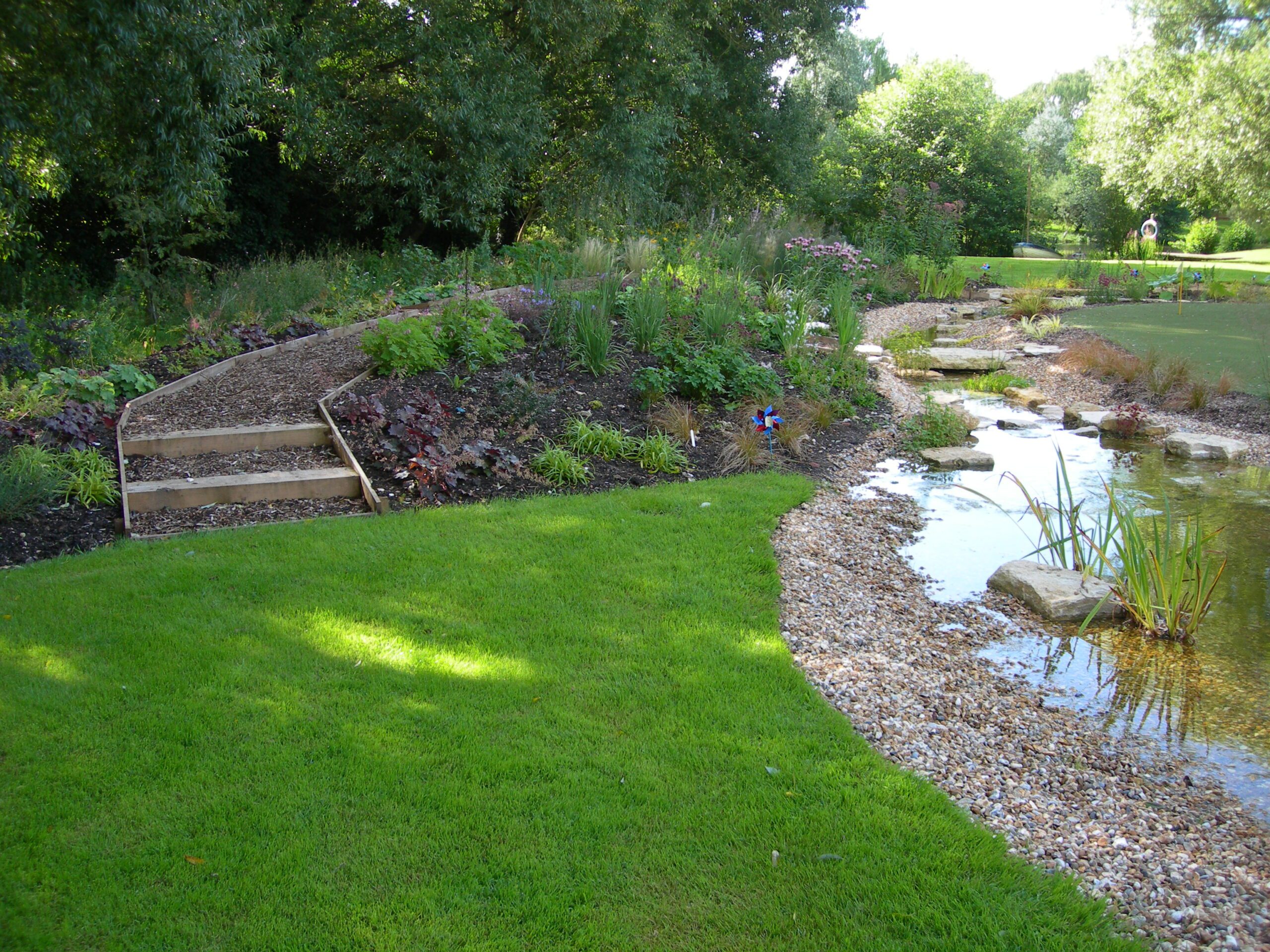
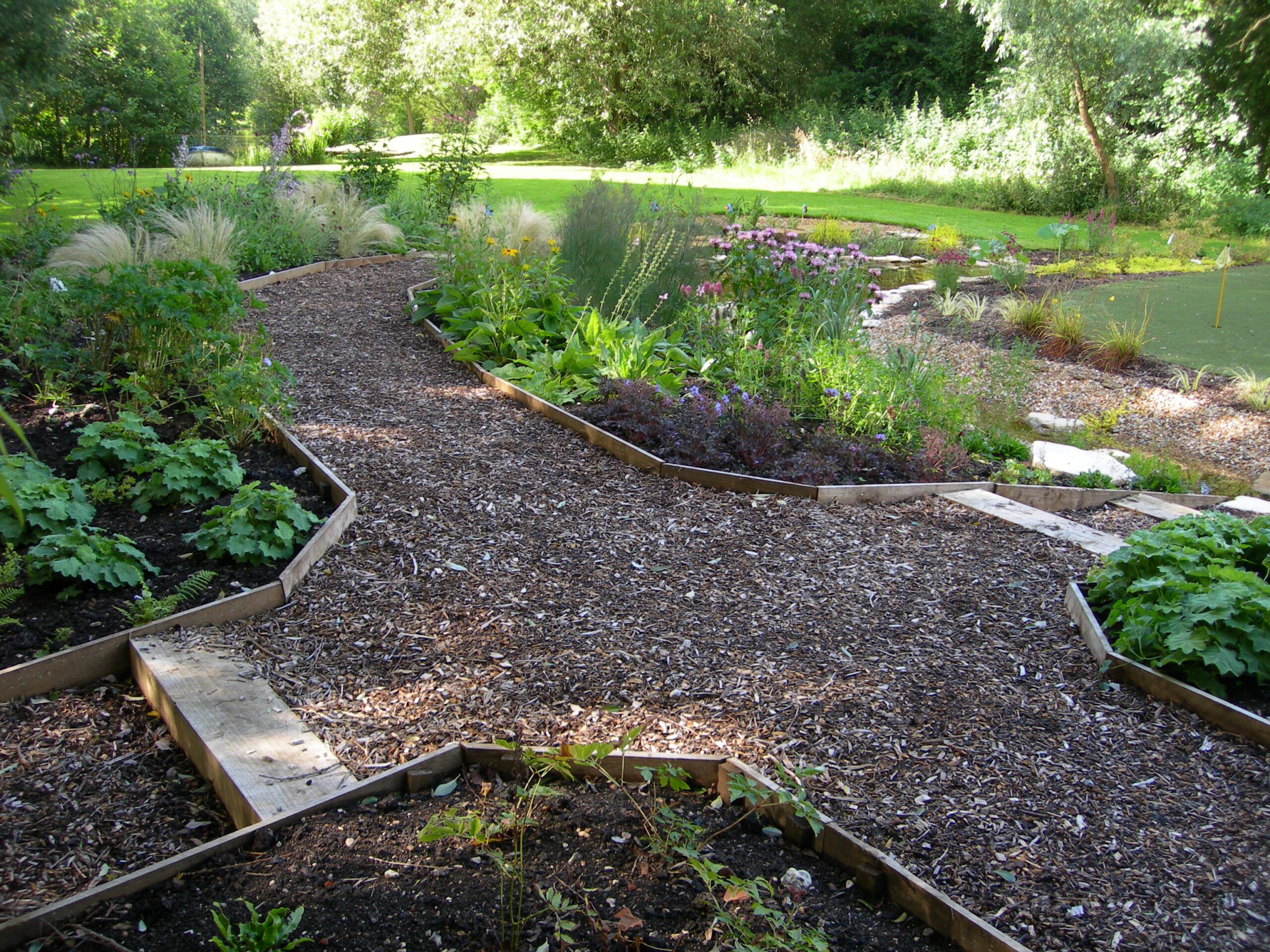
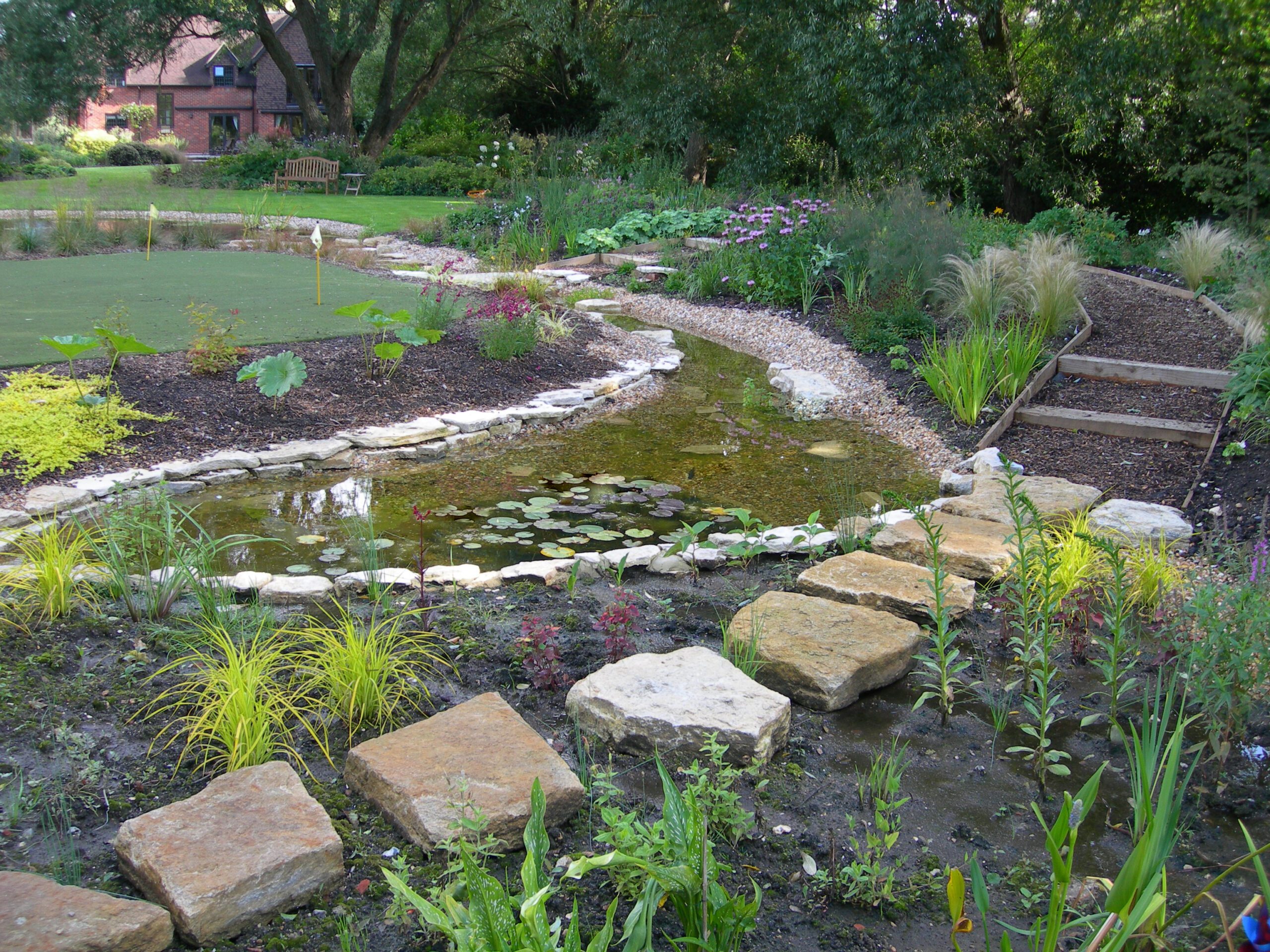
Pond created to encourage wildlife from lower parts of the garden where there is already a lake, closer for client enjoyment. Local stone was used for the pond and timber from site was milled to create path edging and steps. A primarily native aquatic planting scheme was used, and a bog garden with stepping stones incorporated for aiding habitat connection.



A good sized wildlife pond and associated ecological landscaping incorporating an overhanging decked area, wooded pathway made using reclaimed timber from site, a natural stone edging using a local stone, and a hidden firepit so it can be enjoyed all year by our client. We planted marginal areas with a mixture of native and non-native aquatic planting, all however beneficial for wildlife and pollination.
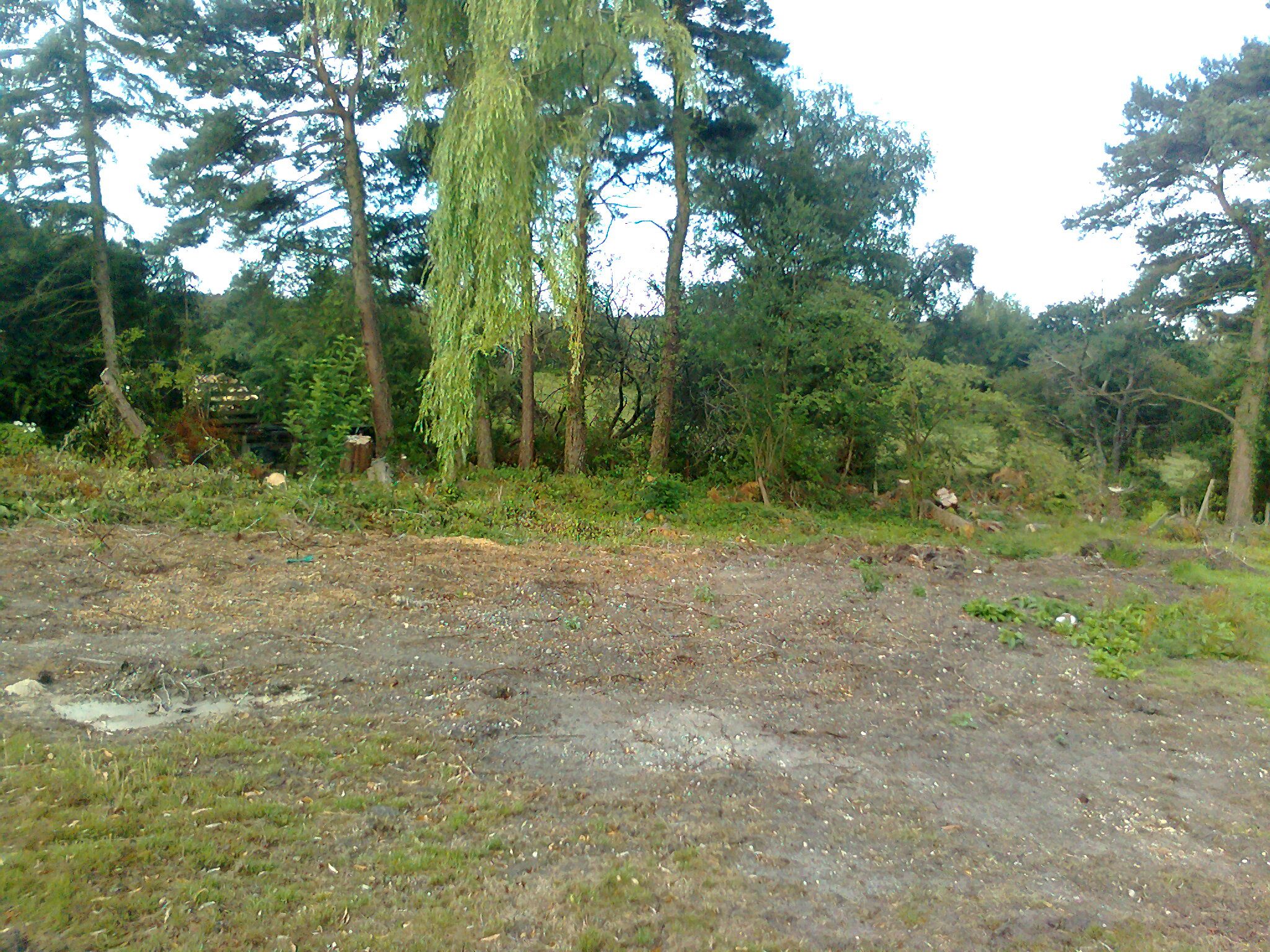
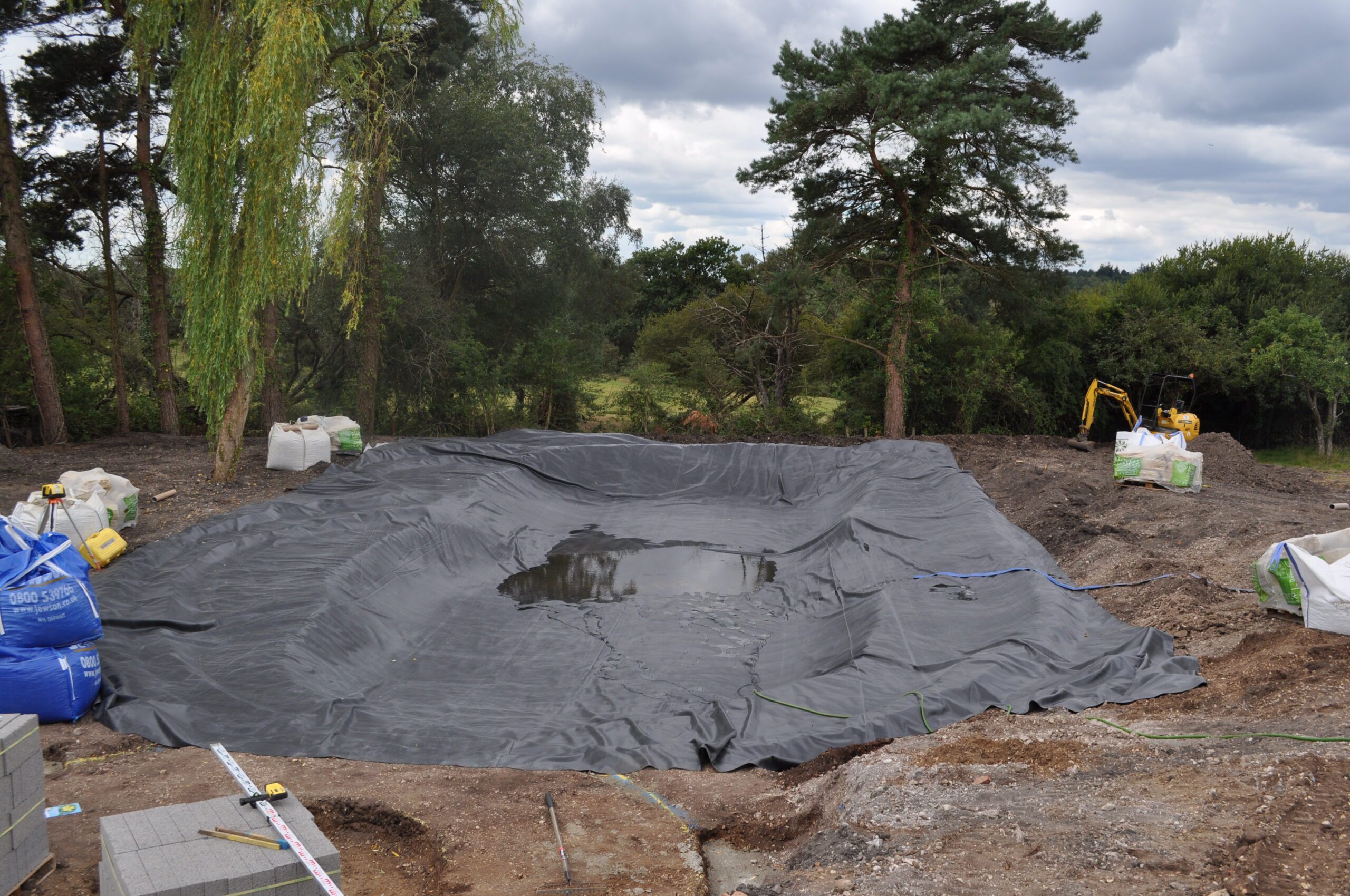

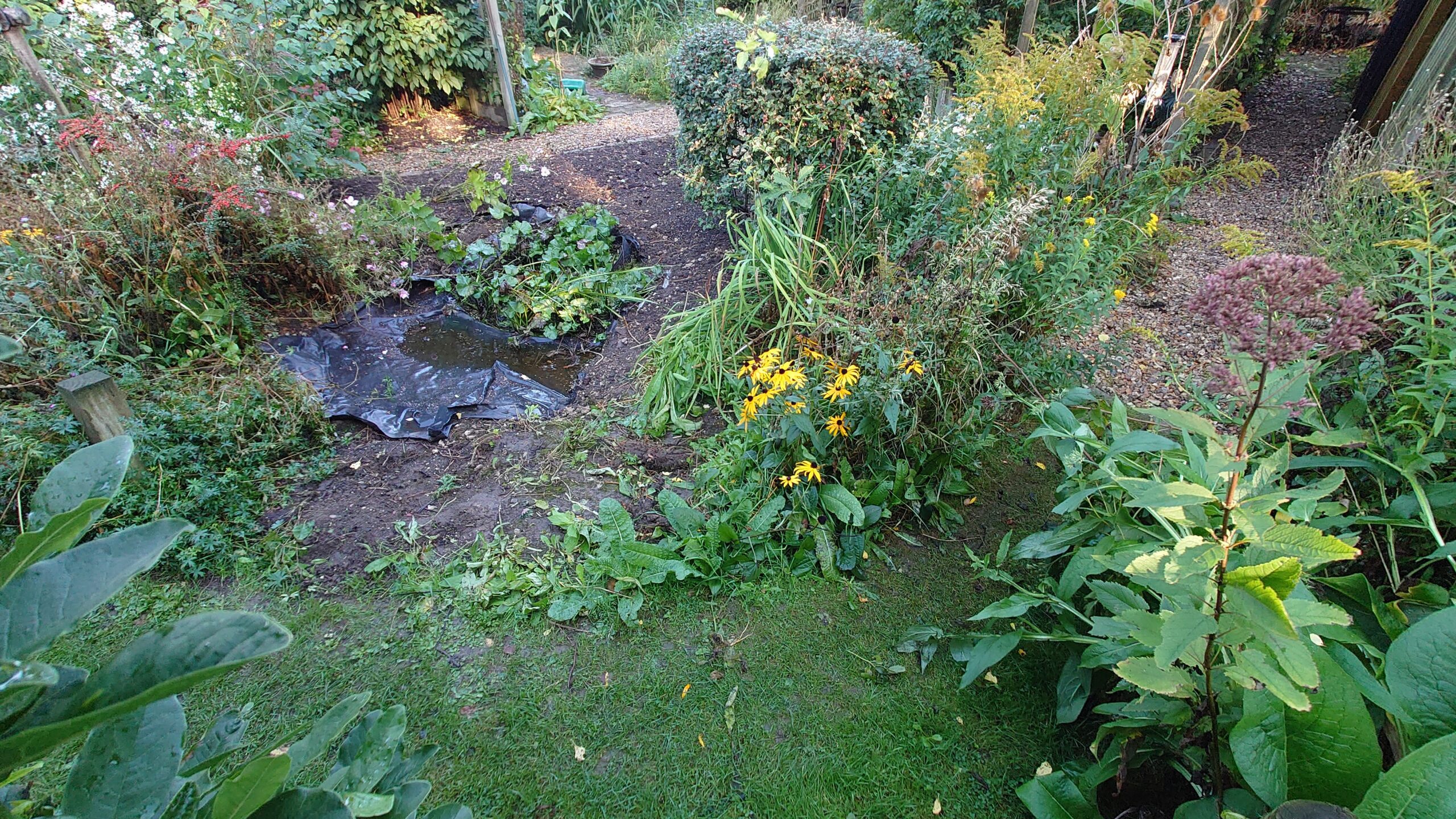
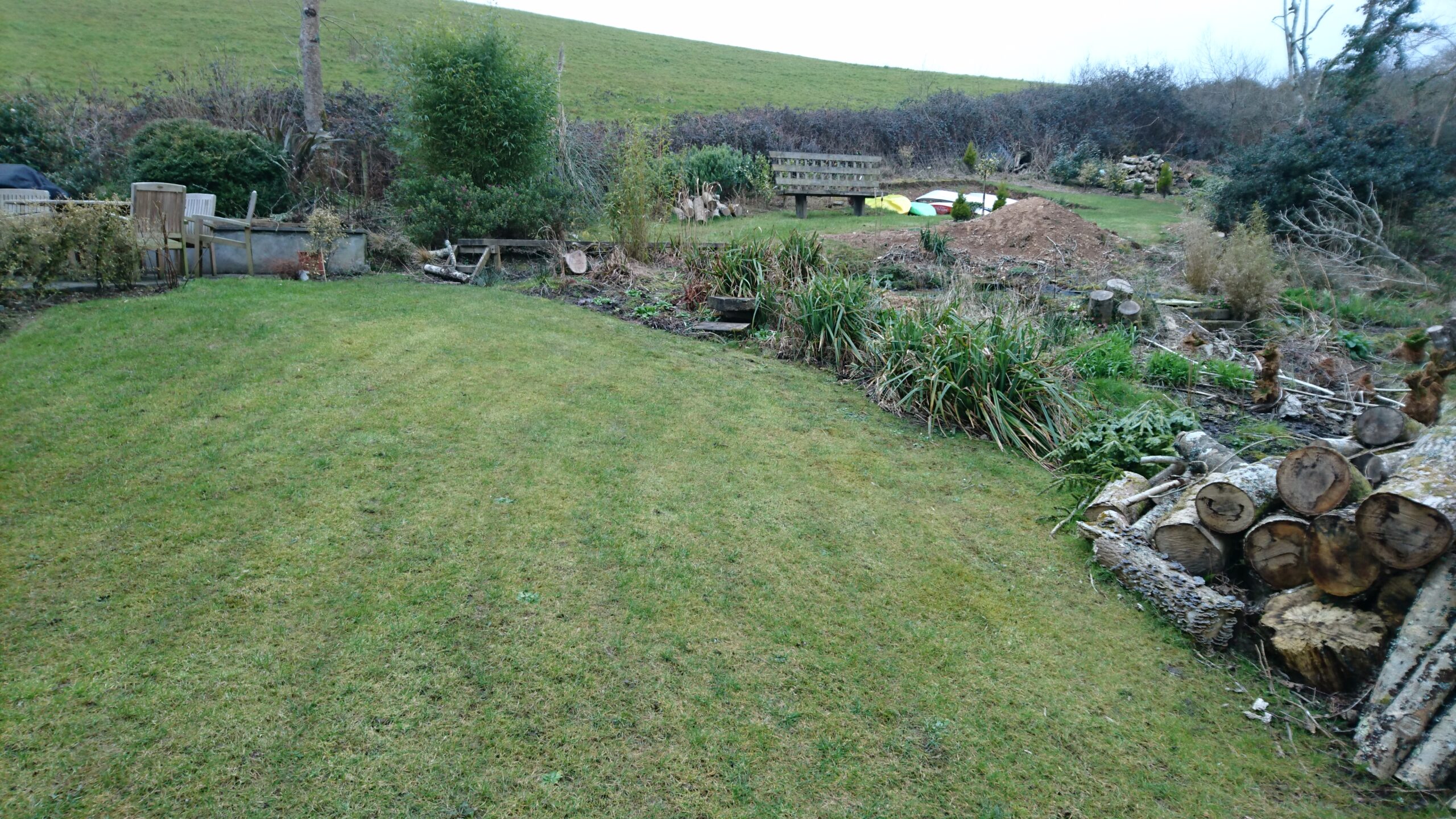
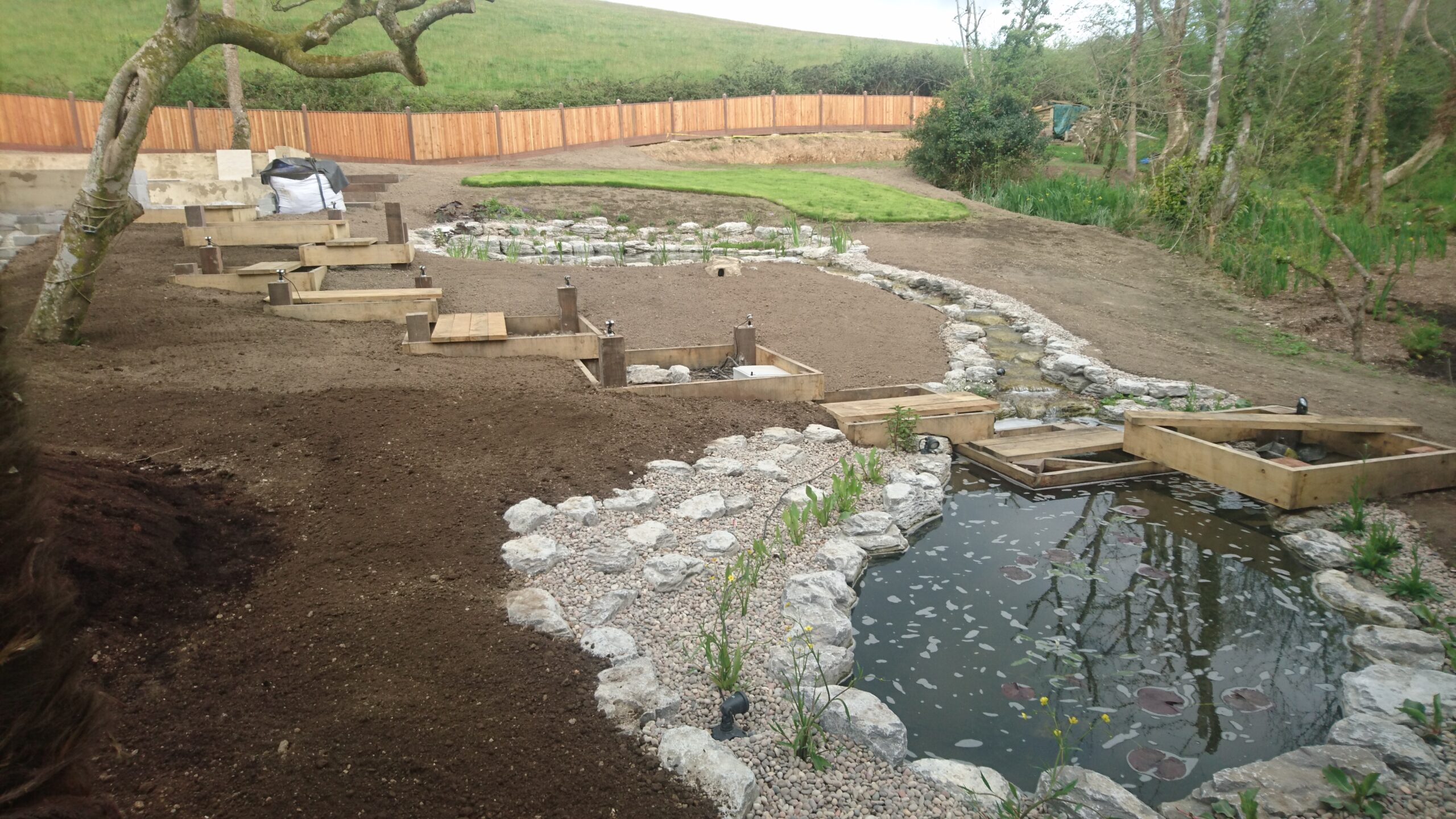
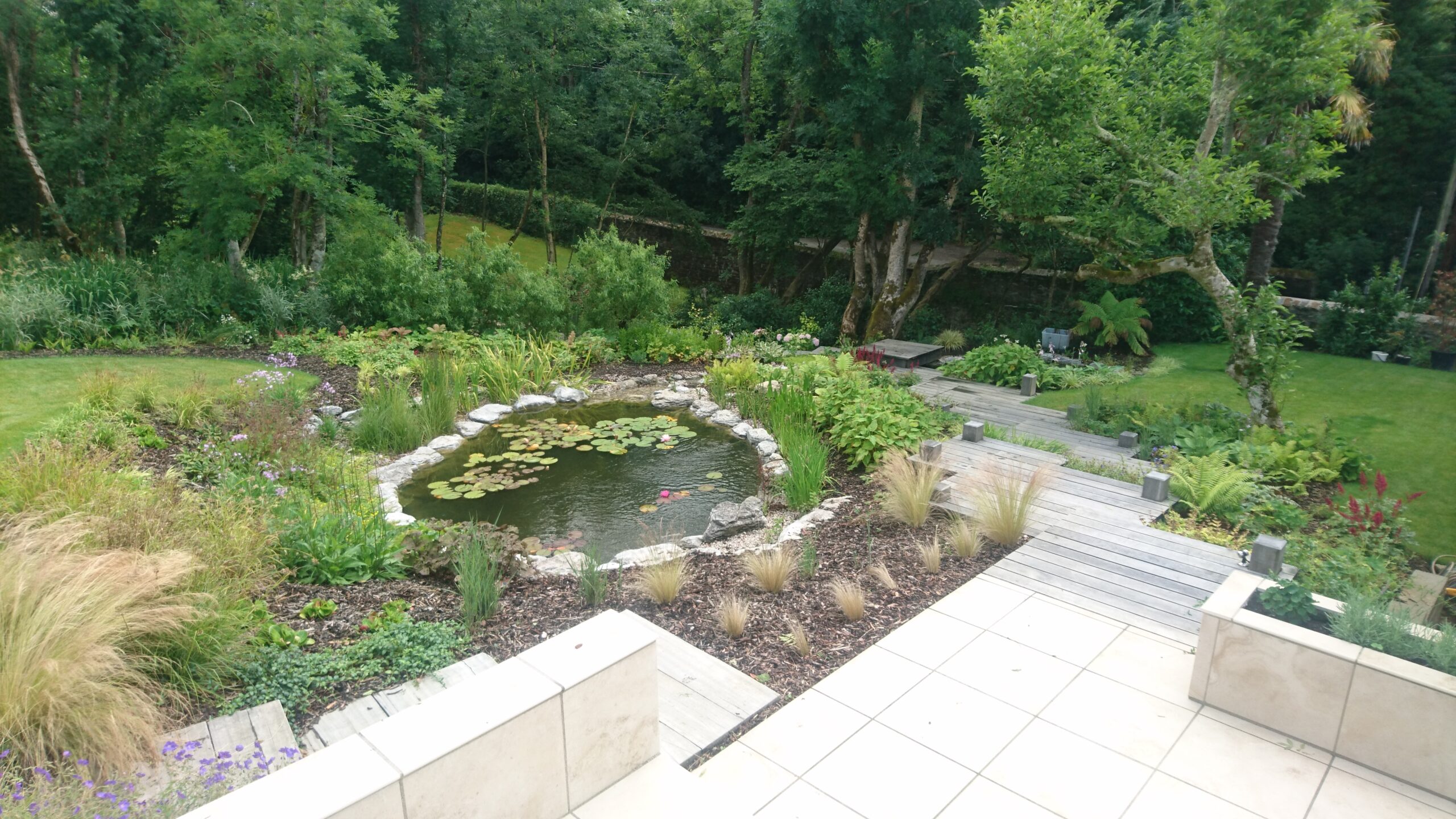
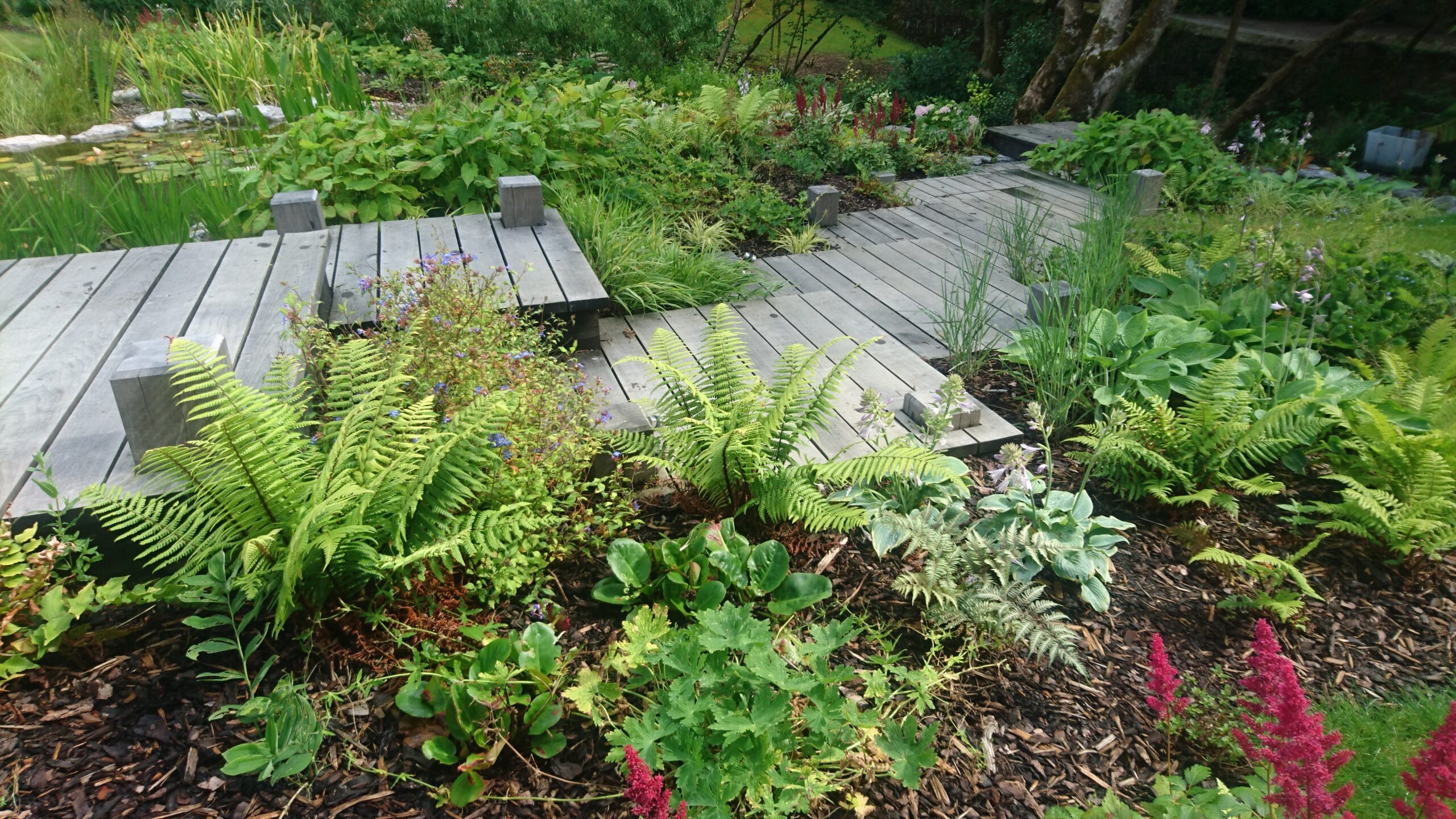
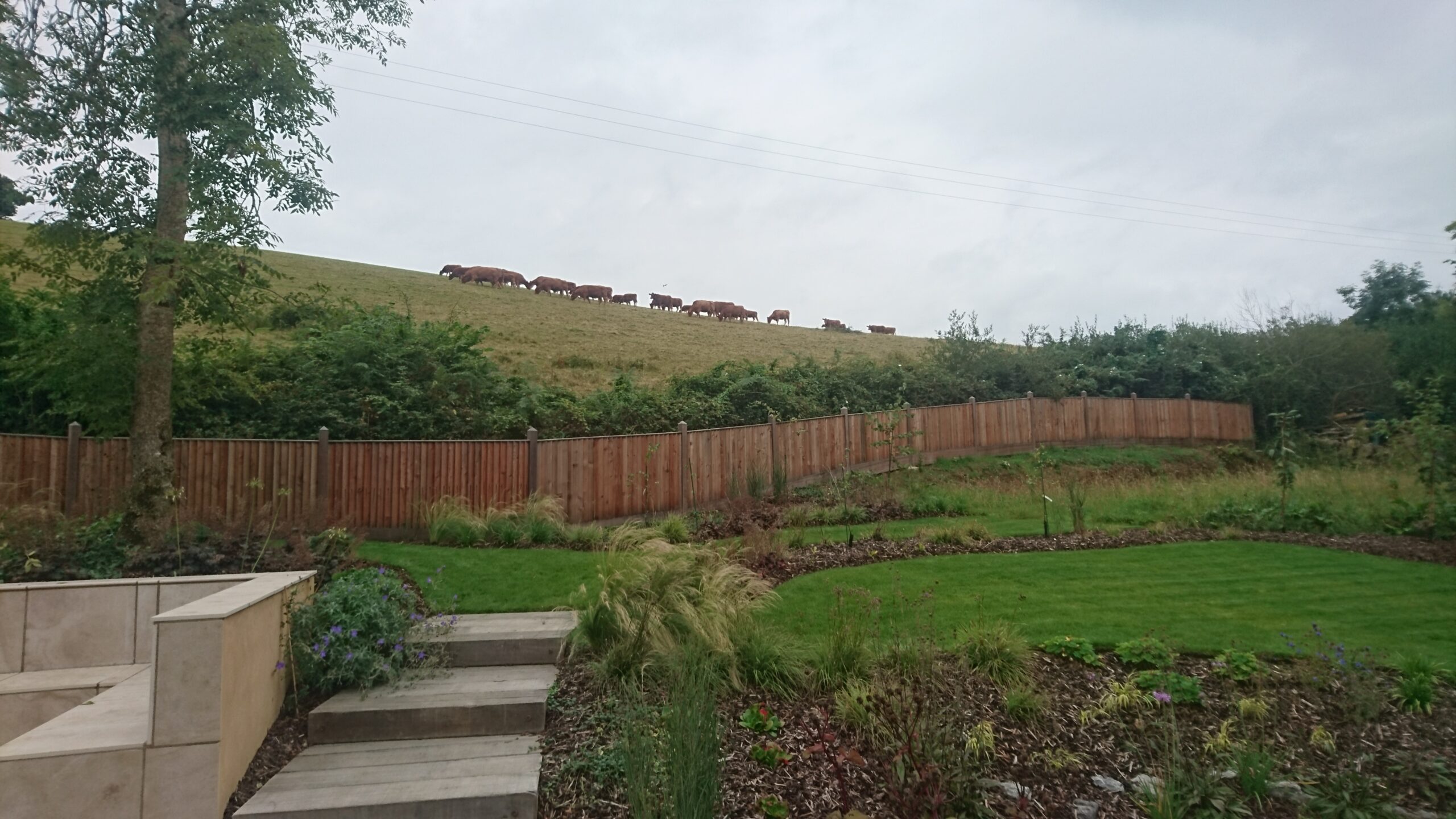
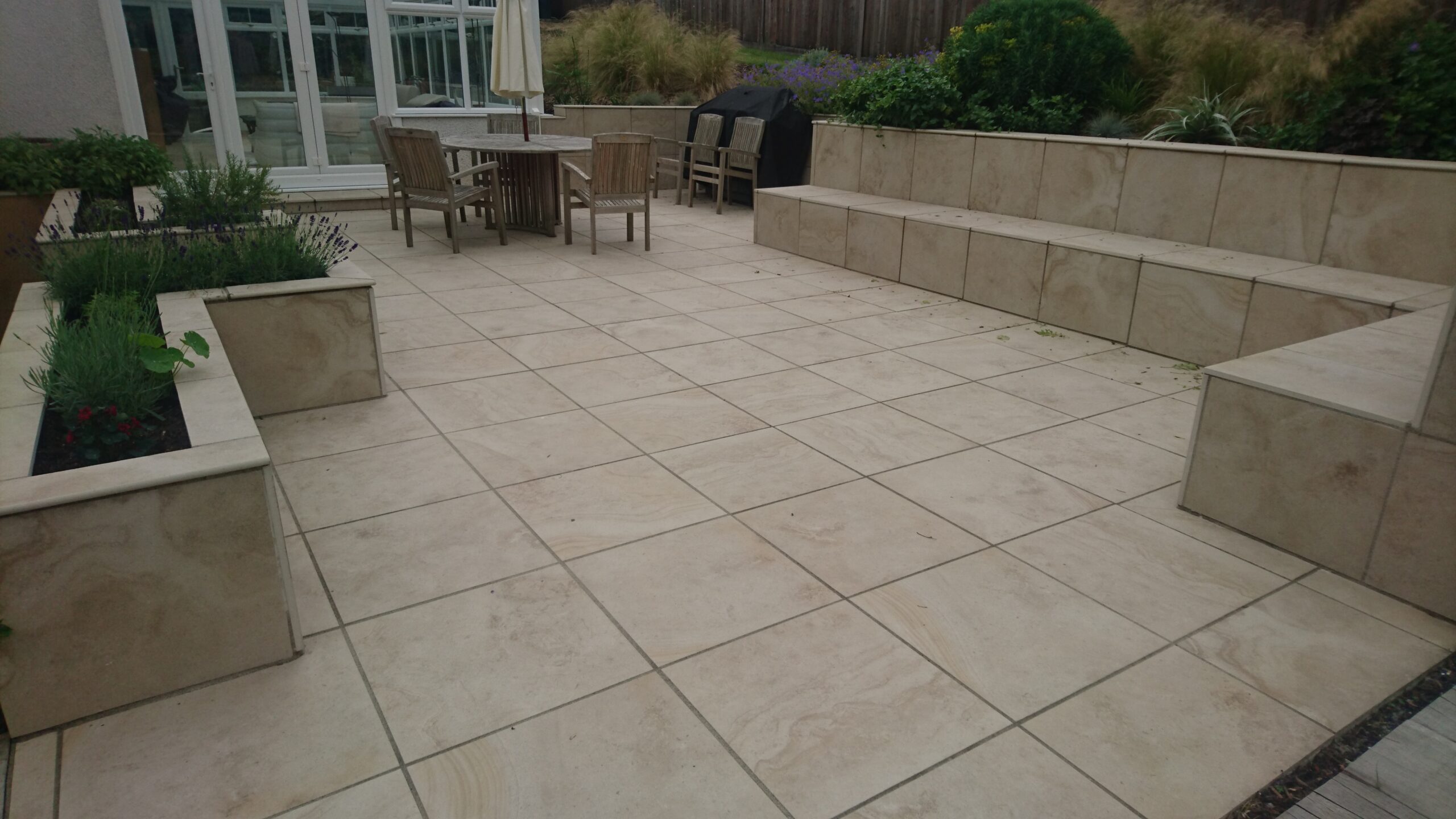
This site in Cornwall was too boggy to use, it was overgrown with unfavourable plant species, inaccessible for most parts of the garden and lacked wildlife. A design was completed with a local designer and together we came up with a proposal suitable for the site, our client, and of course wildlife. This site was a challenge due to the saturation of ground from run-off of surrounding fields, and several springs below ground, all making excavation and site logistics difficult. Several large land drains were installed and works completed from ground protection mats. The overall design incorporated several sections of garden space from garden wildlife ponds and cascades, to a stepped pontoon walkway, hidden seating areas, a lawn, wildflowers, perennial borders, and willow fencing. The entire project took nearly three months, also including a 60m² porcelain patio with outdoor kitchen, a wooded walkway made with timber cut on site, a retaining fence made from a hardwood spanning over 60 meters, and a meditation pod.
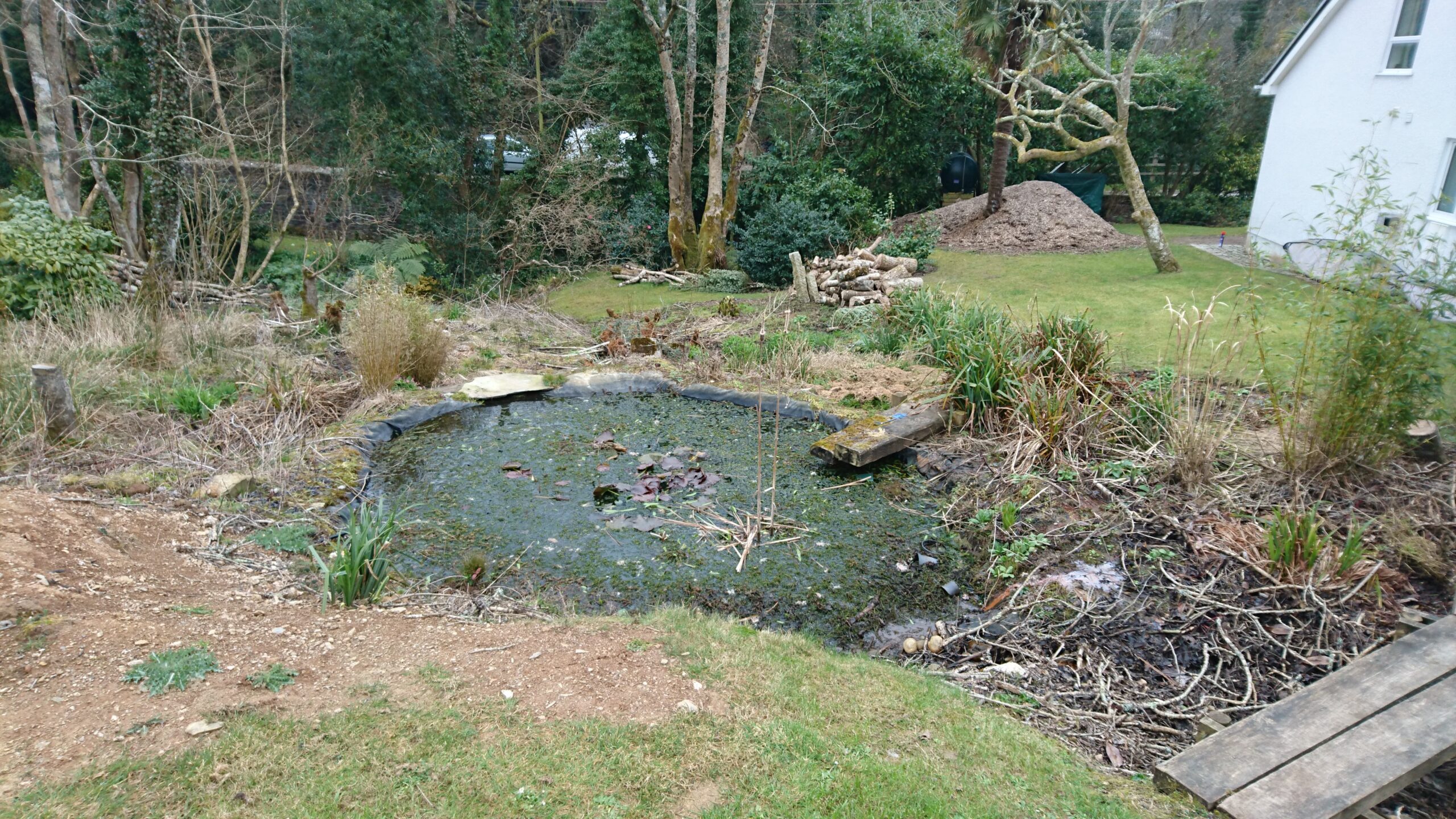

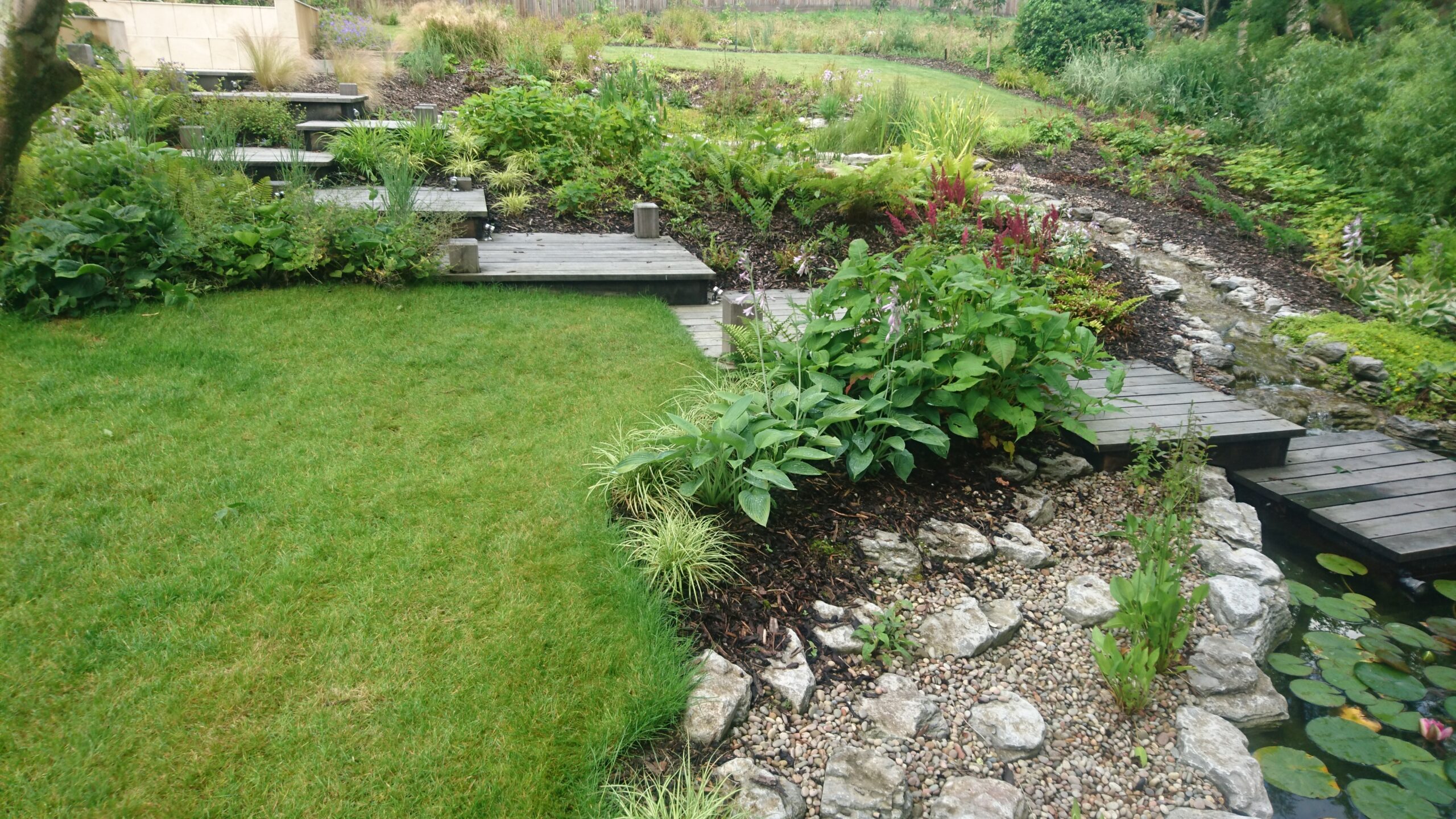
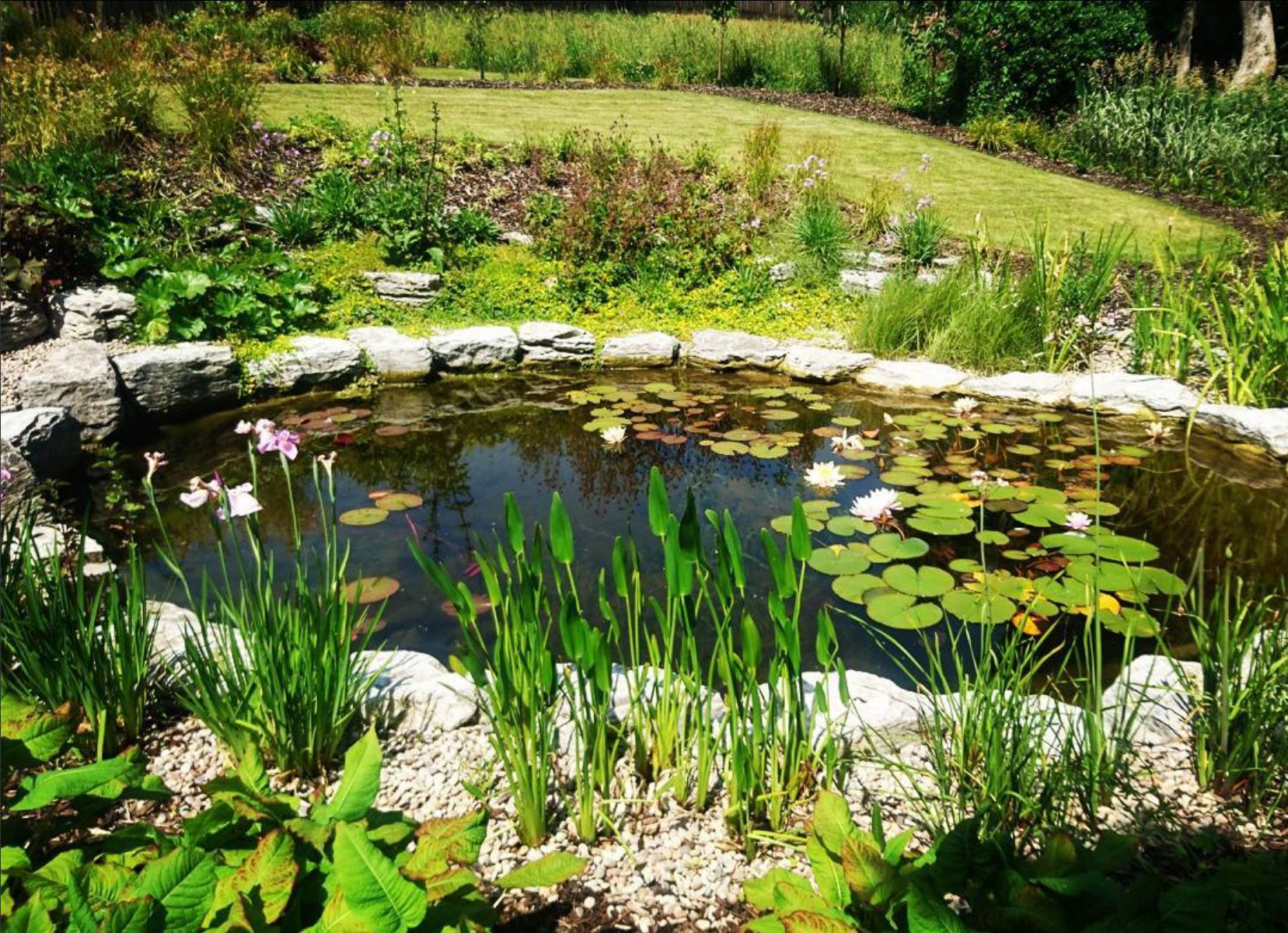
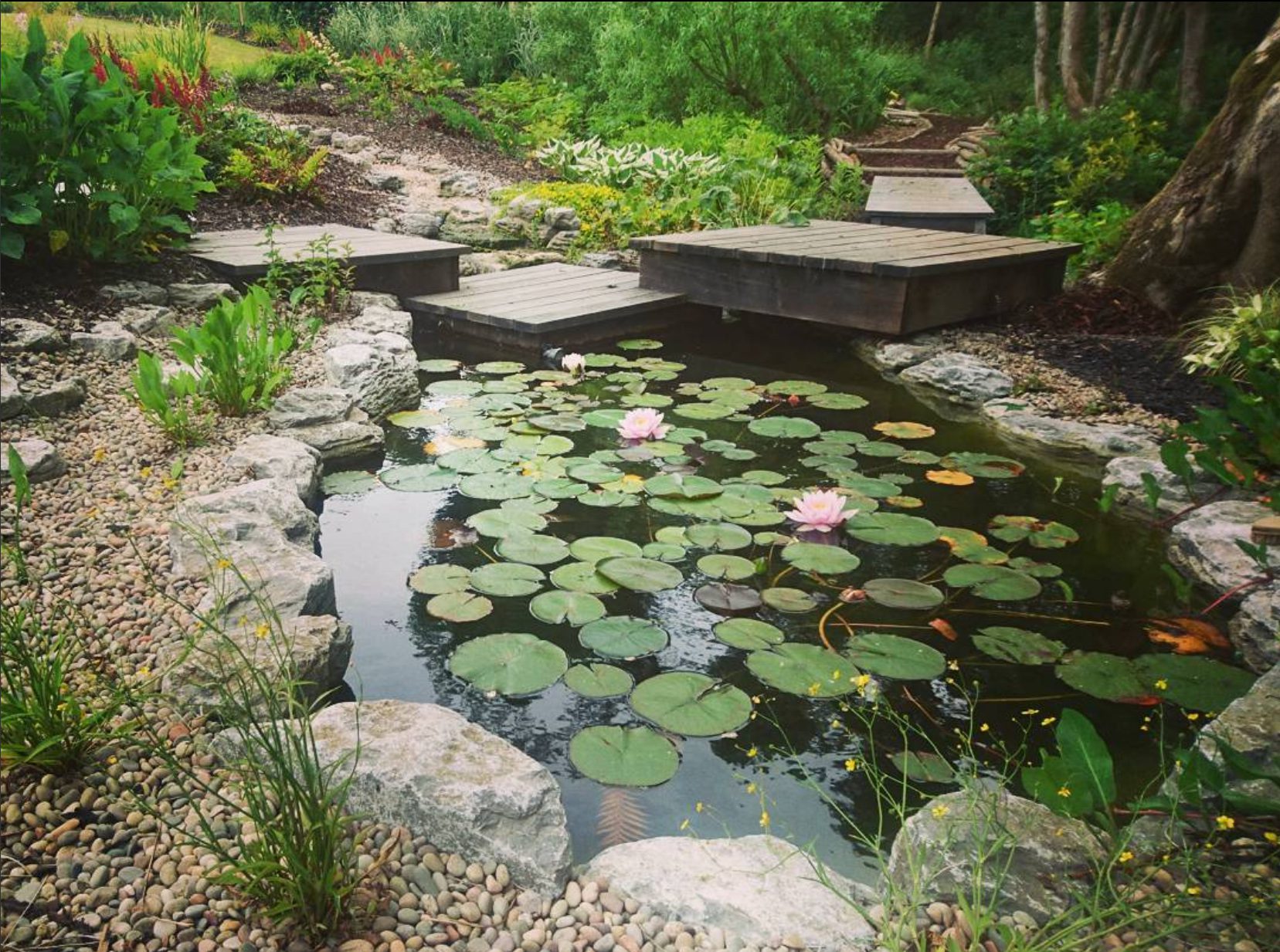
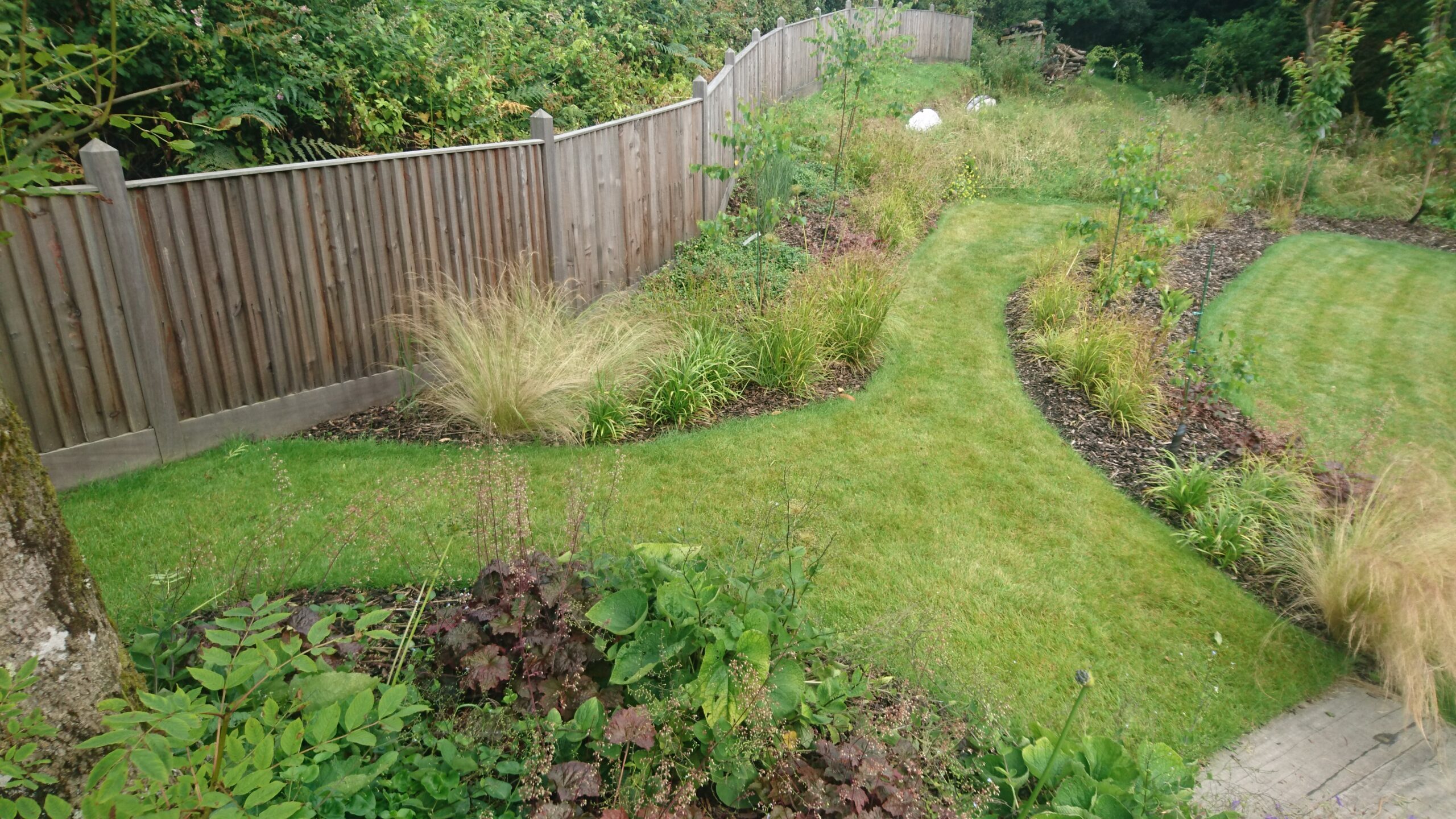
A small, but incredibly beneficial wildlife pond created in Devon within an already diverse ecologically diverse garden. Built on a slight slope with a natural stone inner edging from rock found within the garden. This area was then backfilled with subsoil and aquatic planting within. Finally some wild grass and flower seed was added around the outside perimeter for creating shade, improving connectivity and to blend in with the surroundings.