Conservation Arboriculture
Conservation arboriculture conservation primarily include improving the life of trees and saving them from removal unless absolutely necessary, for example by shaping them or removing parts that may pose a threat to their health or longevity. Lost Habitat can advise on specific tree species, as well as identify areas of work necessary from a site consultation.
Trees are recognised as an important role of both landscape and townscape, also playing a huge part of our heritage and history. It is integral for an arborist to recognise and acknowledge the importance of a tree, for it should be protected if it is not already. Lost Habitat can understand the history of the tree and always find a way to ease potential conflict between trees and people, for example benefits of trees far outweigh problems that can be seen with on-going management and maintenance.
Lost Habitat provide clients with advice relating to the necessary legislations and practices for tree care and maintenance at any stage of the tree’s life, from tree planting to long-term management. From determining correct species in use for ecological landscaping, tree pruning for better health and growth, diagnosing and treating trees with disease, pruning for shape or just to reduce the tree volume reducing wind sale.
Lost Habitat can carry out ‘PTI’s’ ‘Professional Tree Service & Inspections’ which are especially important for clients’ wishing to apply for ‘TPO’s’ ‘Tree Preservation Orders’, or for trees already having a TPO on them , or if they are in a conservation area. A tree survey would include a full inspection of each individual tree ranging from identifying any wood decay from fungi, and other signs of ill health, visually inspecting for weak unions, old wounds with or without decay, heart wood root, any epiphytes growing, dead wood, or leaf diseases. Lost Habitat can provide clients with a detailed report and recommendation of work that may need to be carried out with timescale or advise when a further inspection would be due.
Other examples of services include:
- Tree Preservation & Conservation
- Tree Climbing & Maintenance
- Managed Care
- Pruning, Shaping & Coppicing
- Removal of Large Trees
- Stump Removal
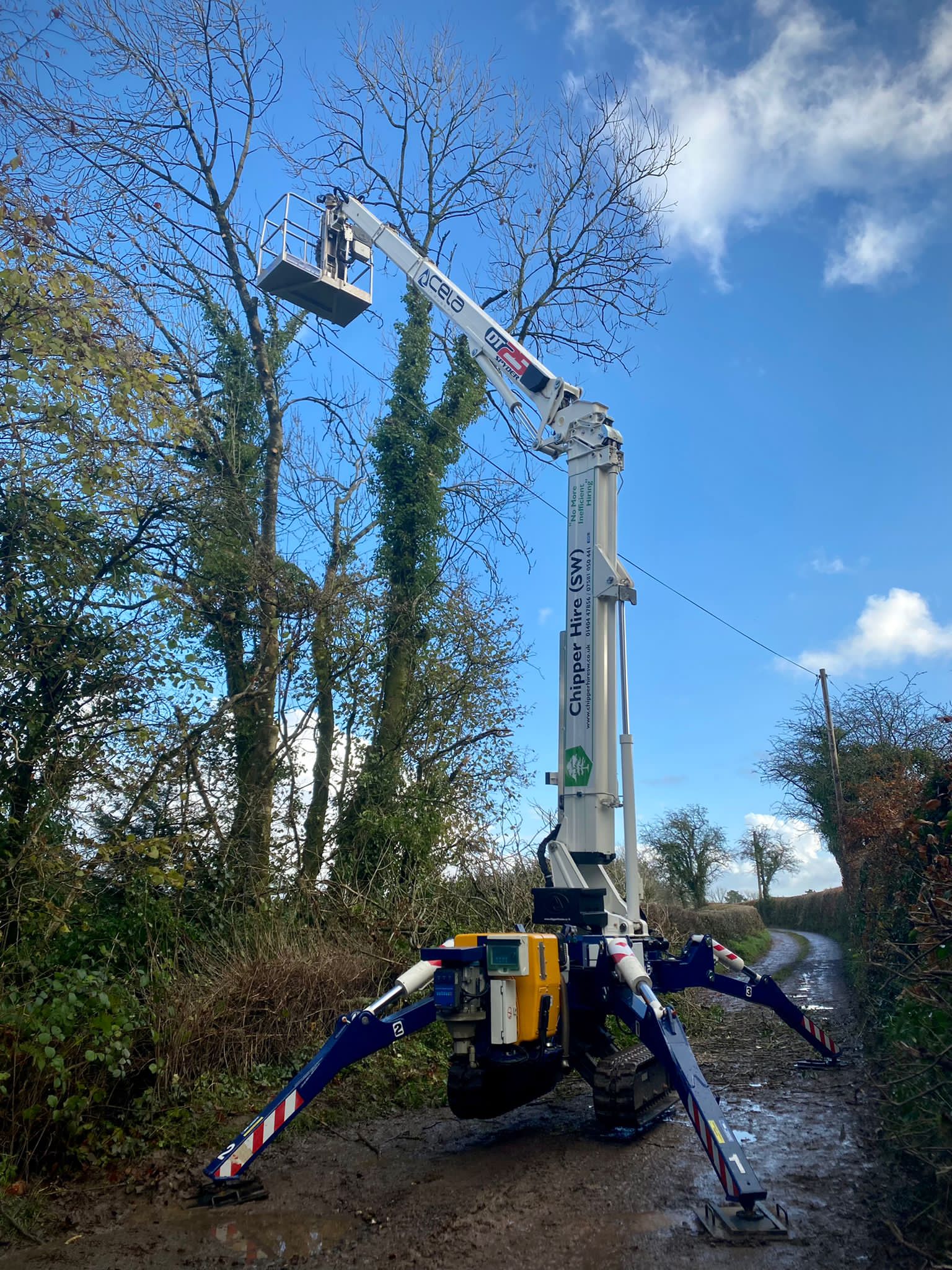

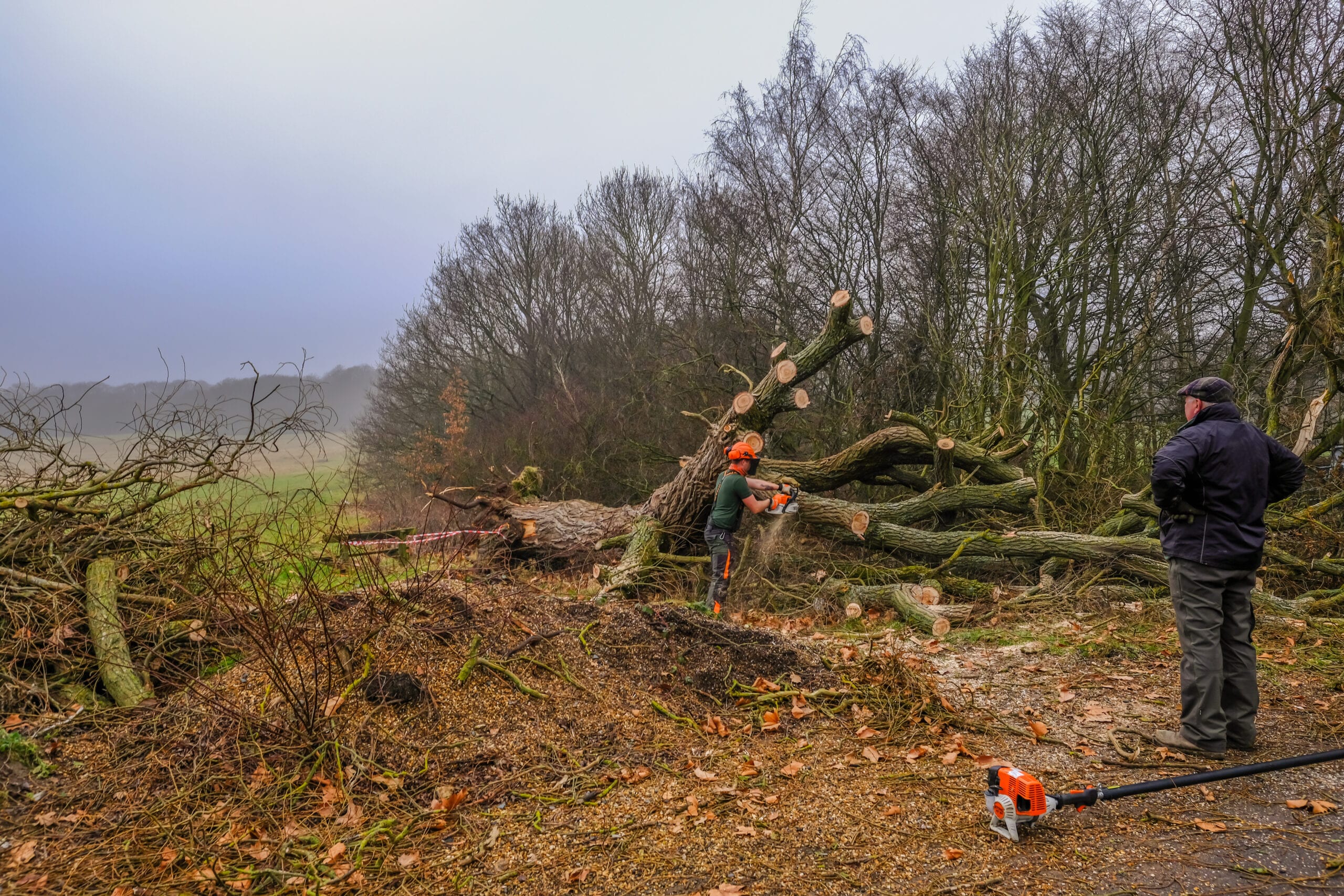


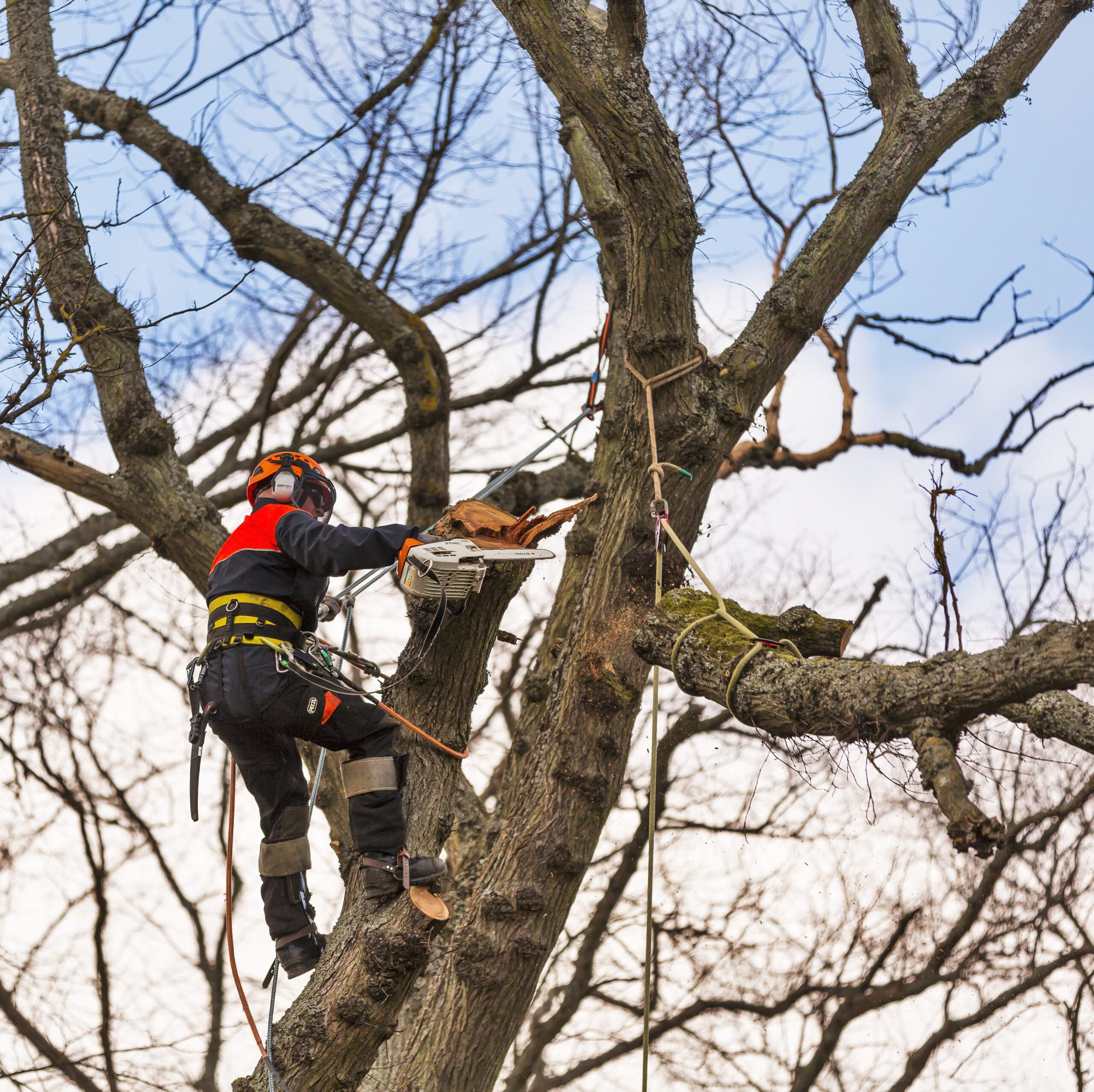
Here are some examples of conservation arboriculture projects completed for clients in Cornwall & Devon. We always assess each tree that may require work completing, and only as a last resort is it removed being due to risk of injury to person or damage to property. More often than not, we will preserve the life of the tree and consider surrounding habitat as part of the decision-making process, for example, insect life and bird populations, owl, and bat habitat. Conservation arboriculture is more than just the aesthetic look of trees, at Lost Habitat we consider the whole ecosystem.
Ash Dieback Doesn’t Always Result in Removal of the Entire Tree…
After assessing these two large Ash trees overhanging a public footpath, and also adjacent to a stream. Removing them completely would have caused bank erosion, and sedimentation for the stream, it would also have destroyed habitat for hundreds of insects, threatening habitat for birds, and potentially bats. By reducing them to six-meter monoliths and finished with coronet cuts, this method of cutting is used to simulate a natural event similar to storm damage, such as a tree splitting or fallen. Wood fibres break and tear around the pruned area, creating habitat for fungi that feeds on the exposed wood, insects start to eat the wood and the web continues. Leaving a safe and manageable height also creates potential habitat for owls or bats.
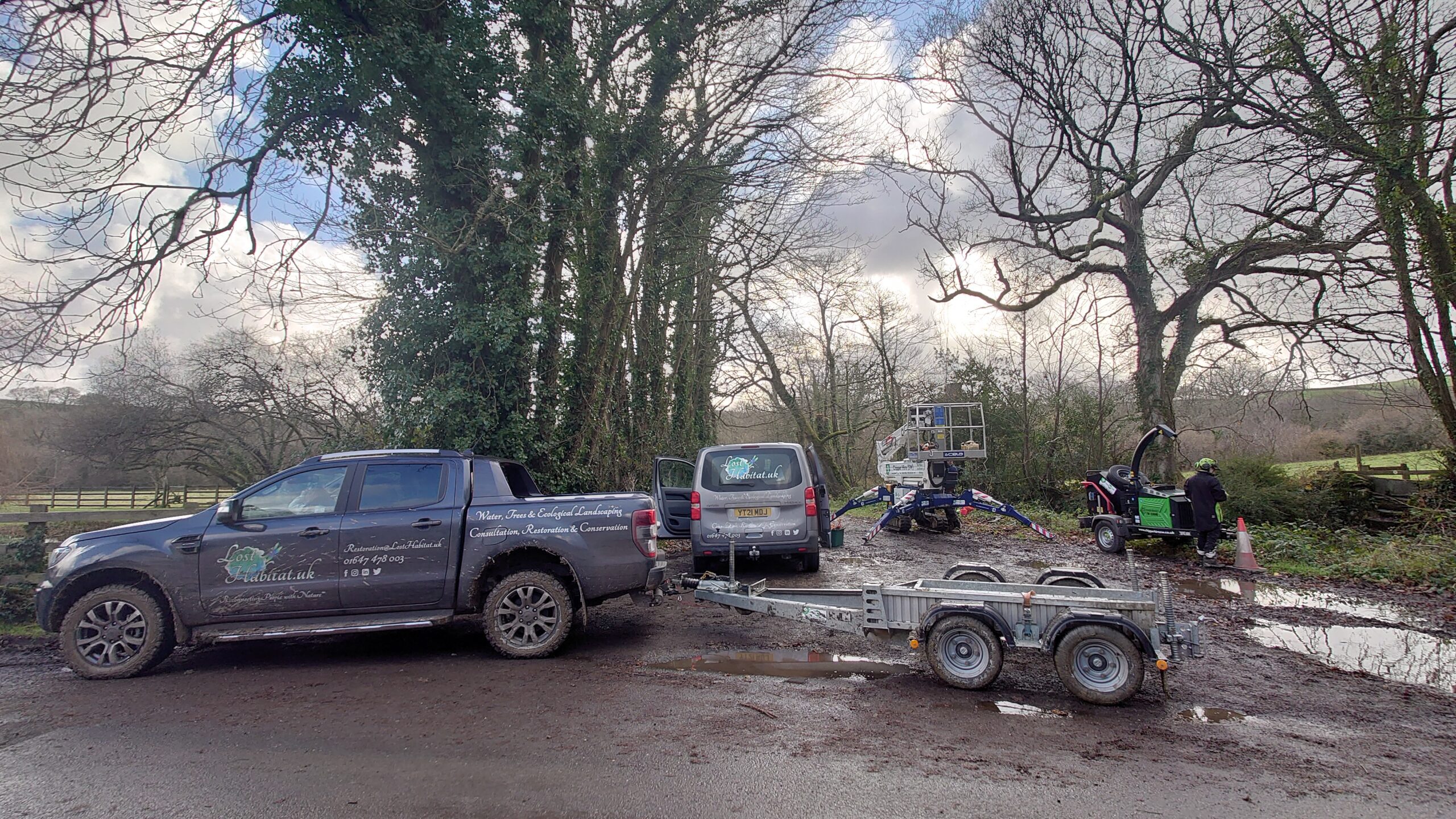
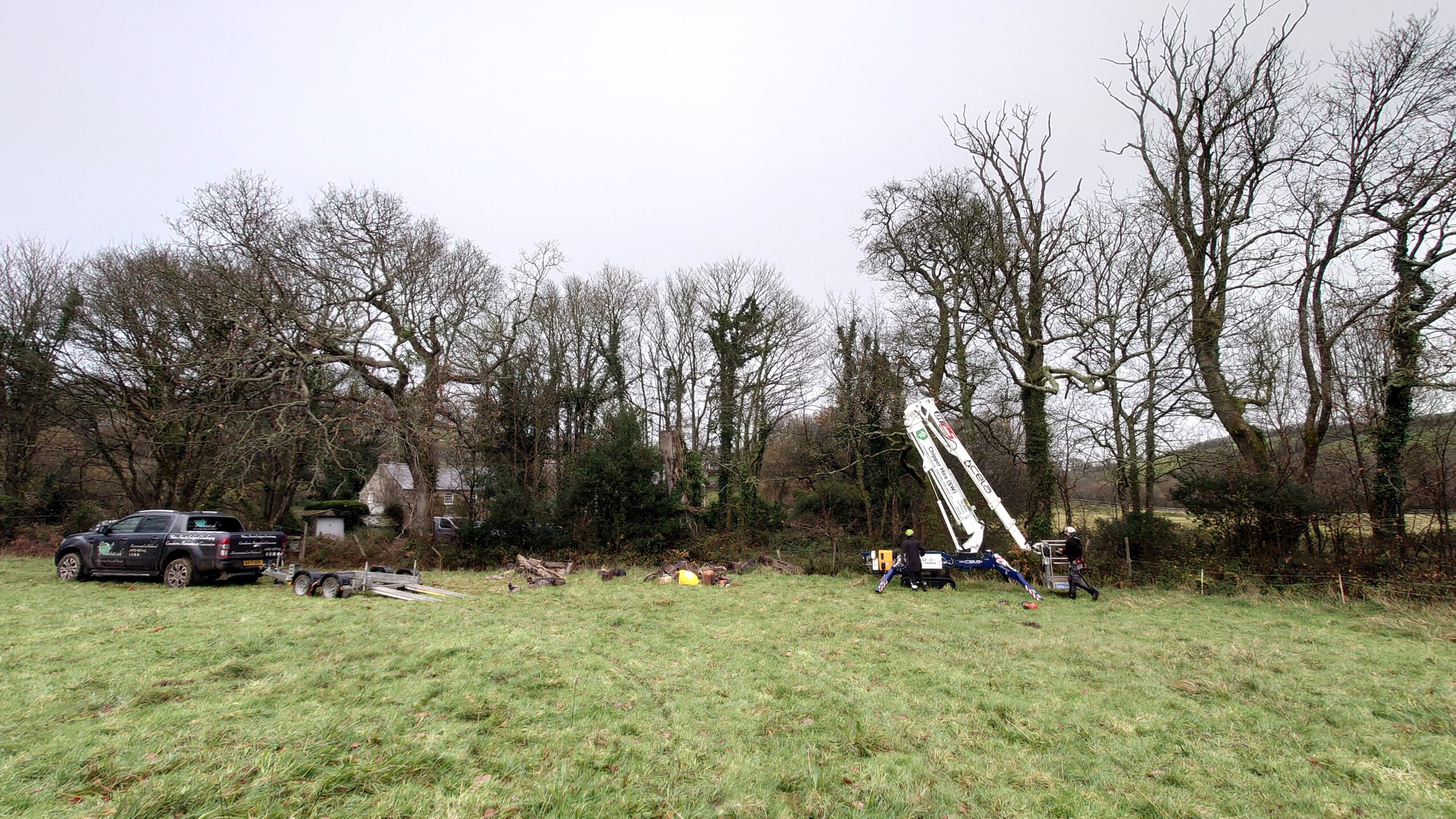
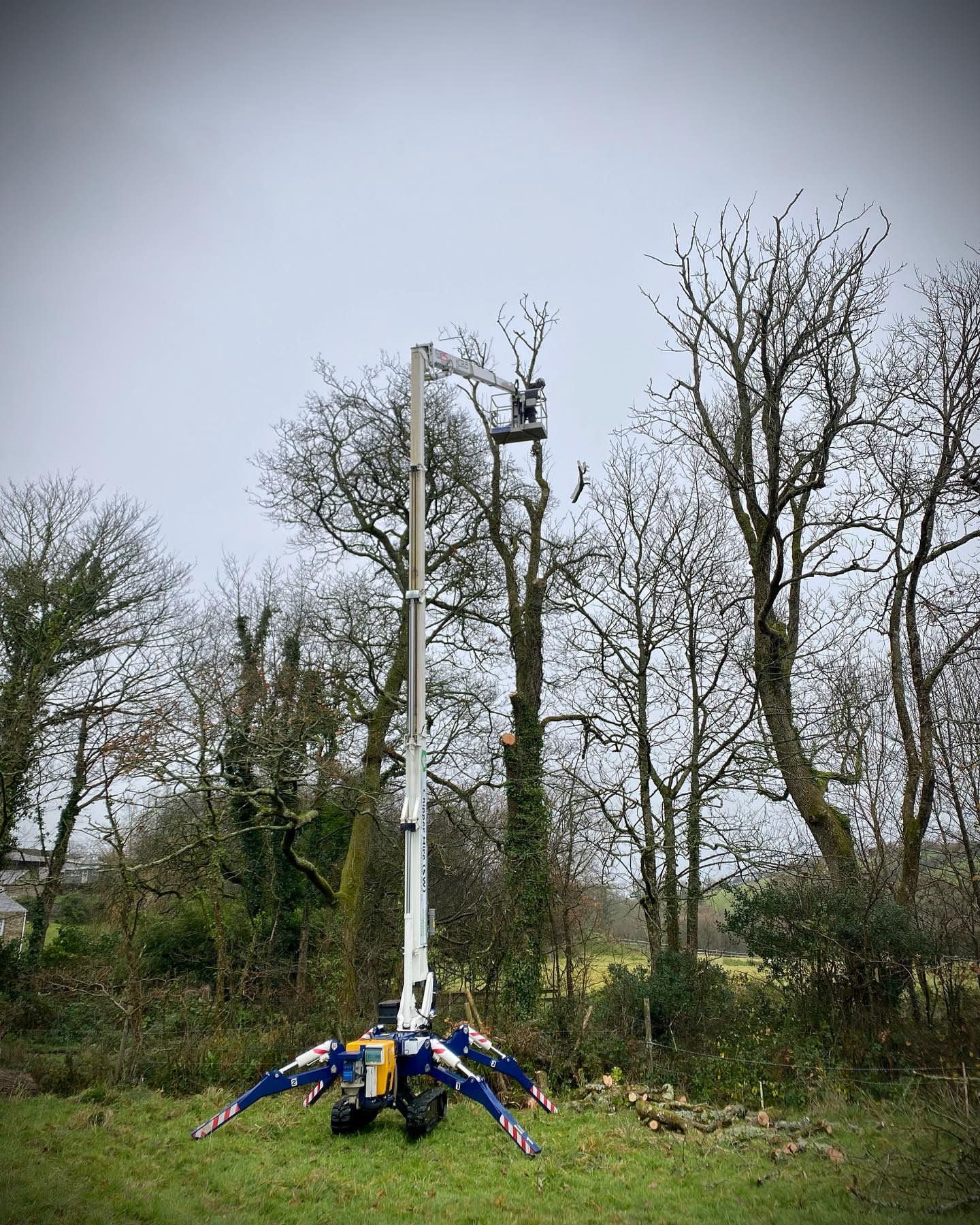
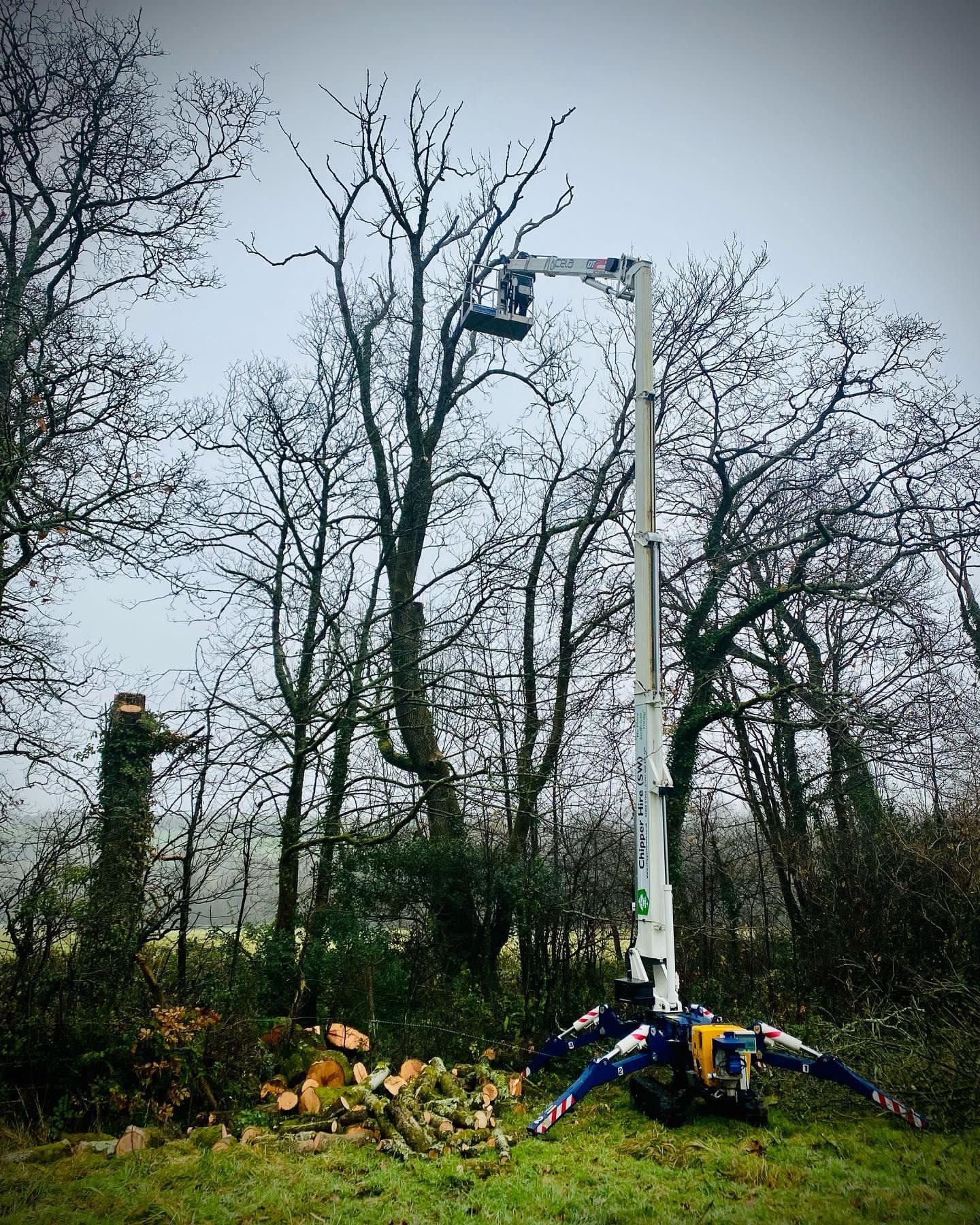

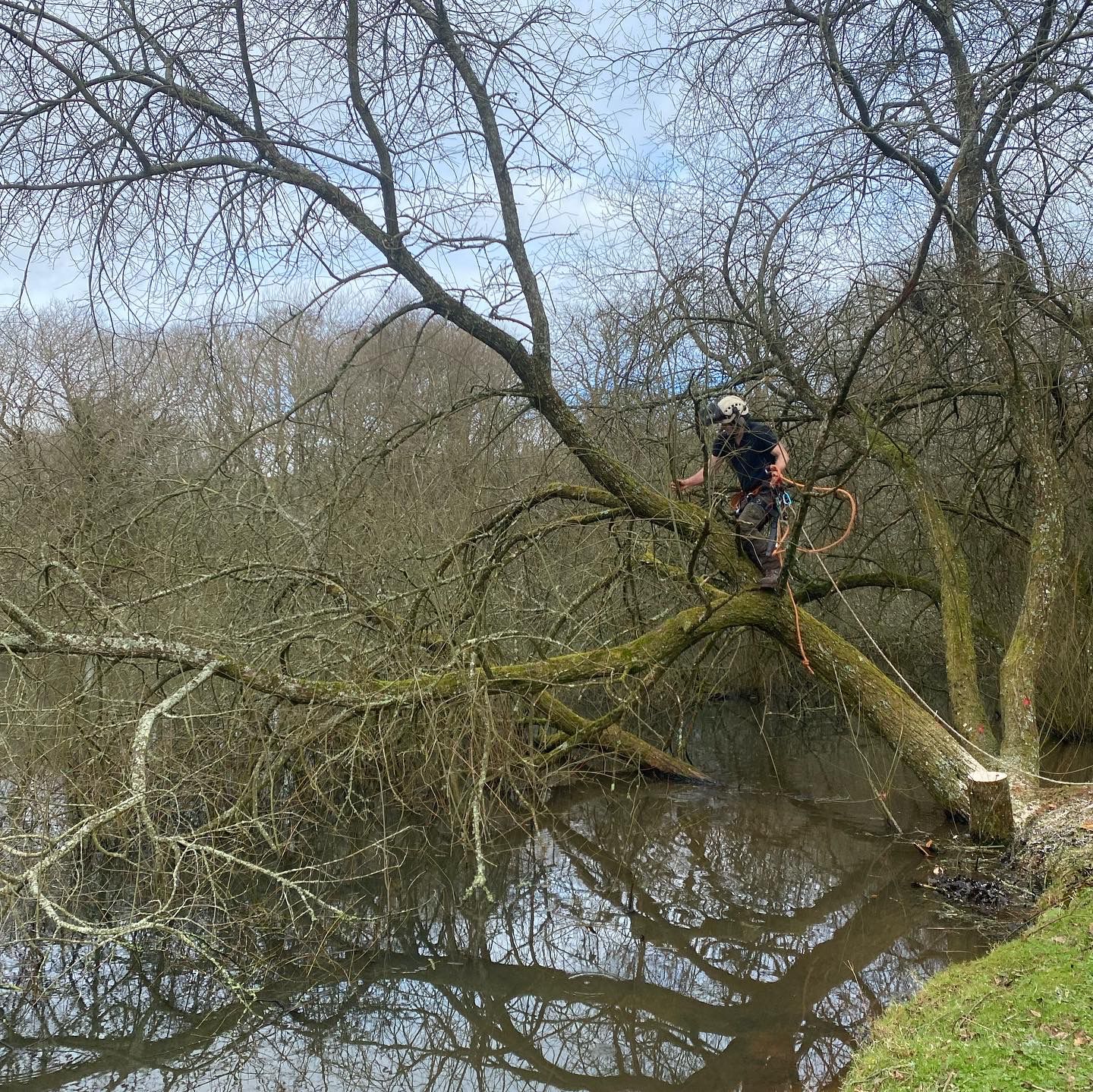
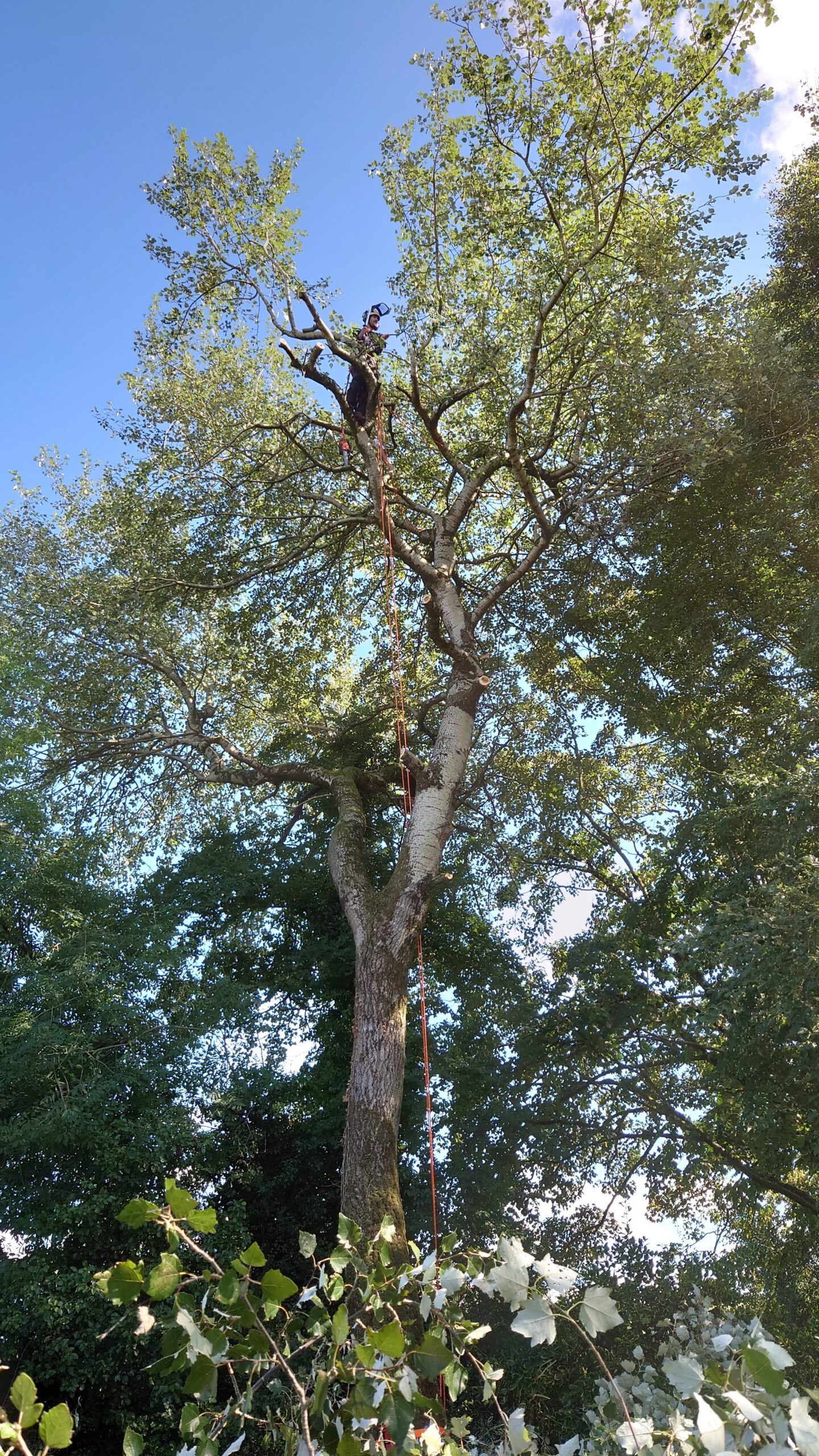
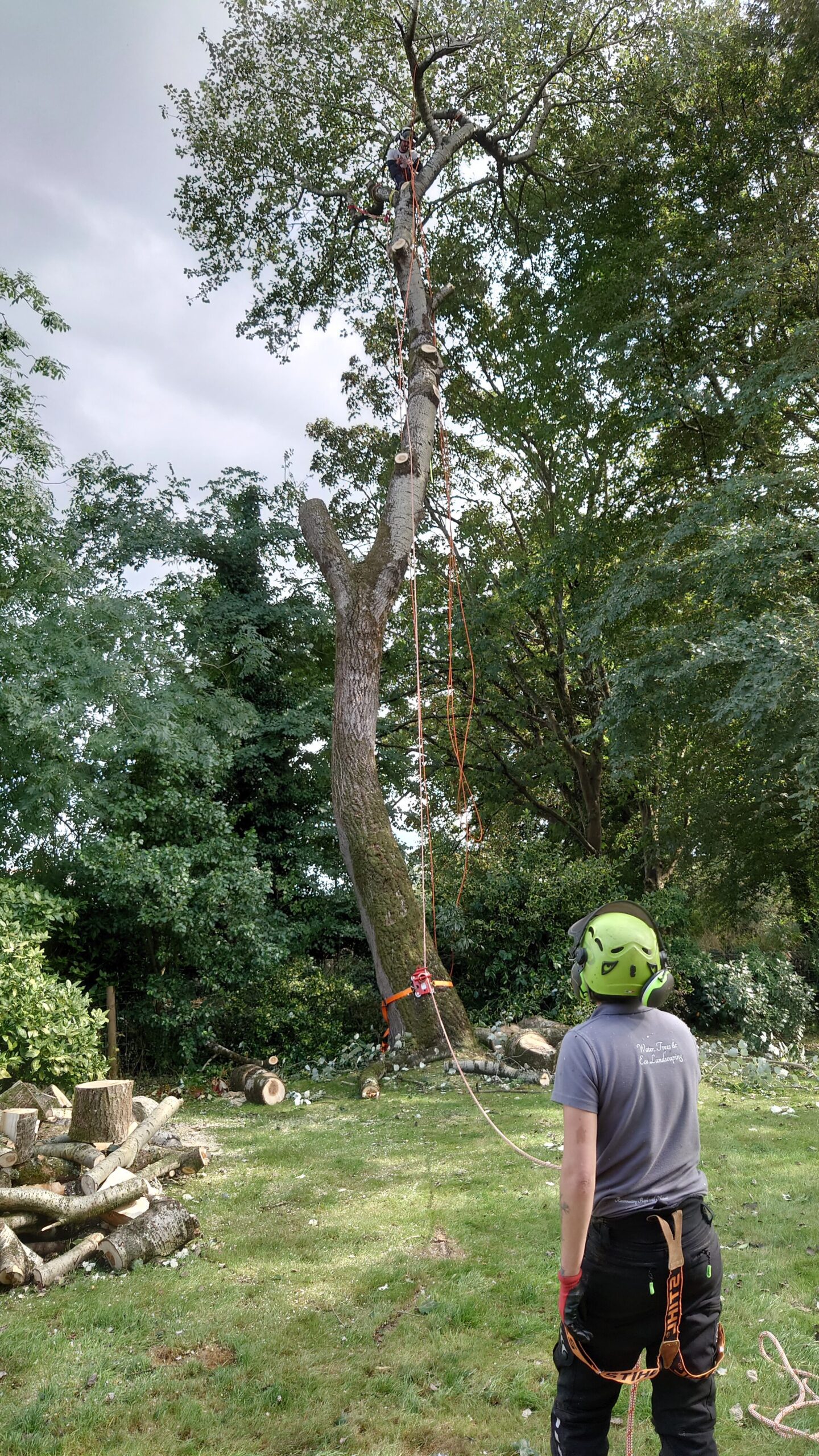
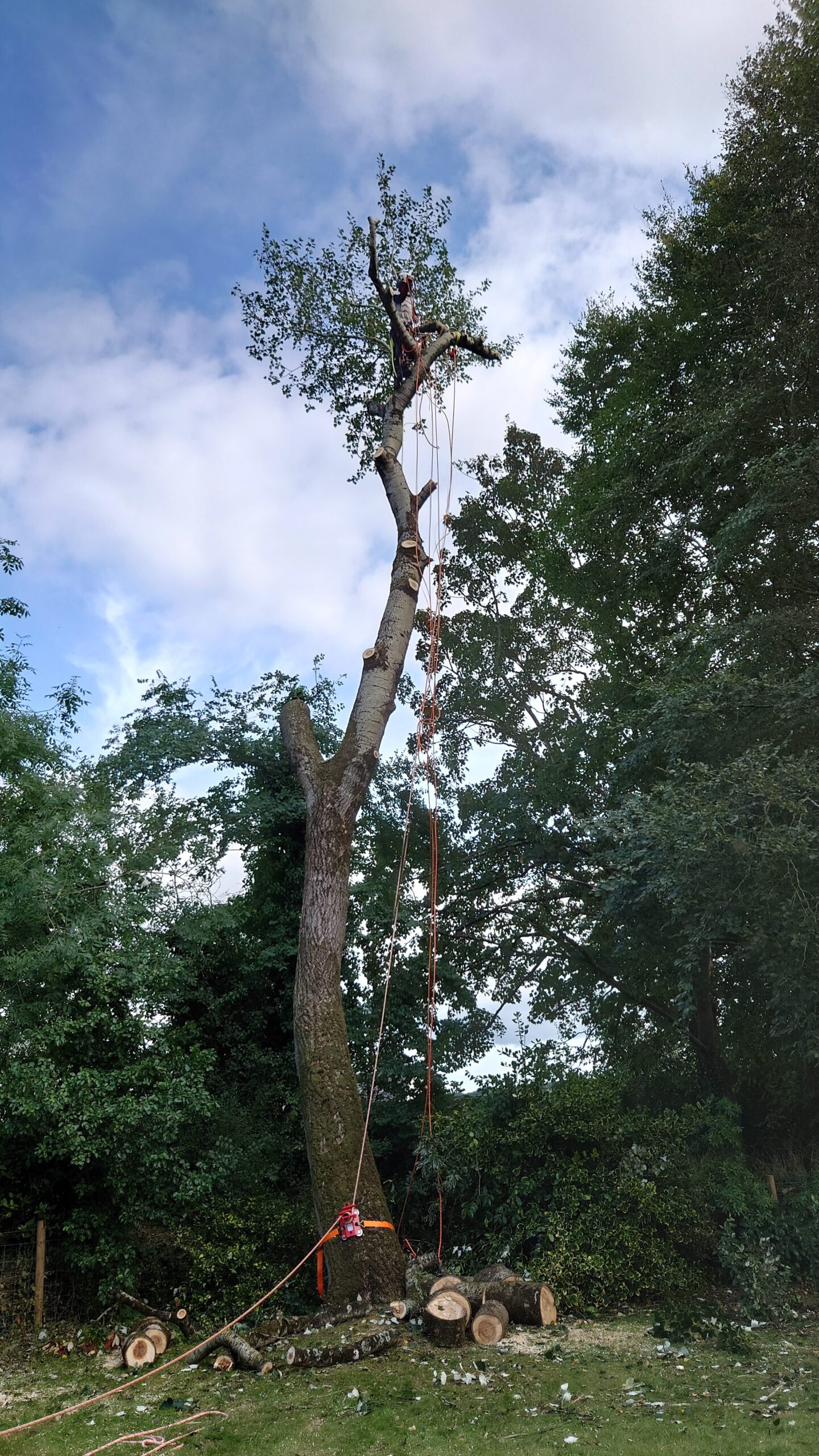
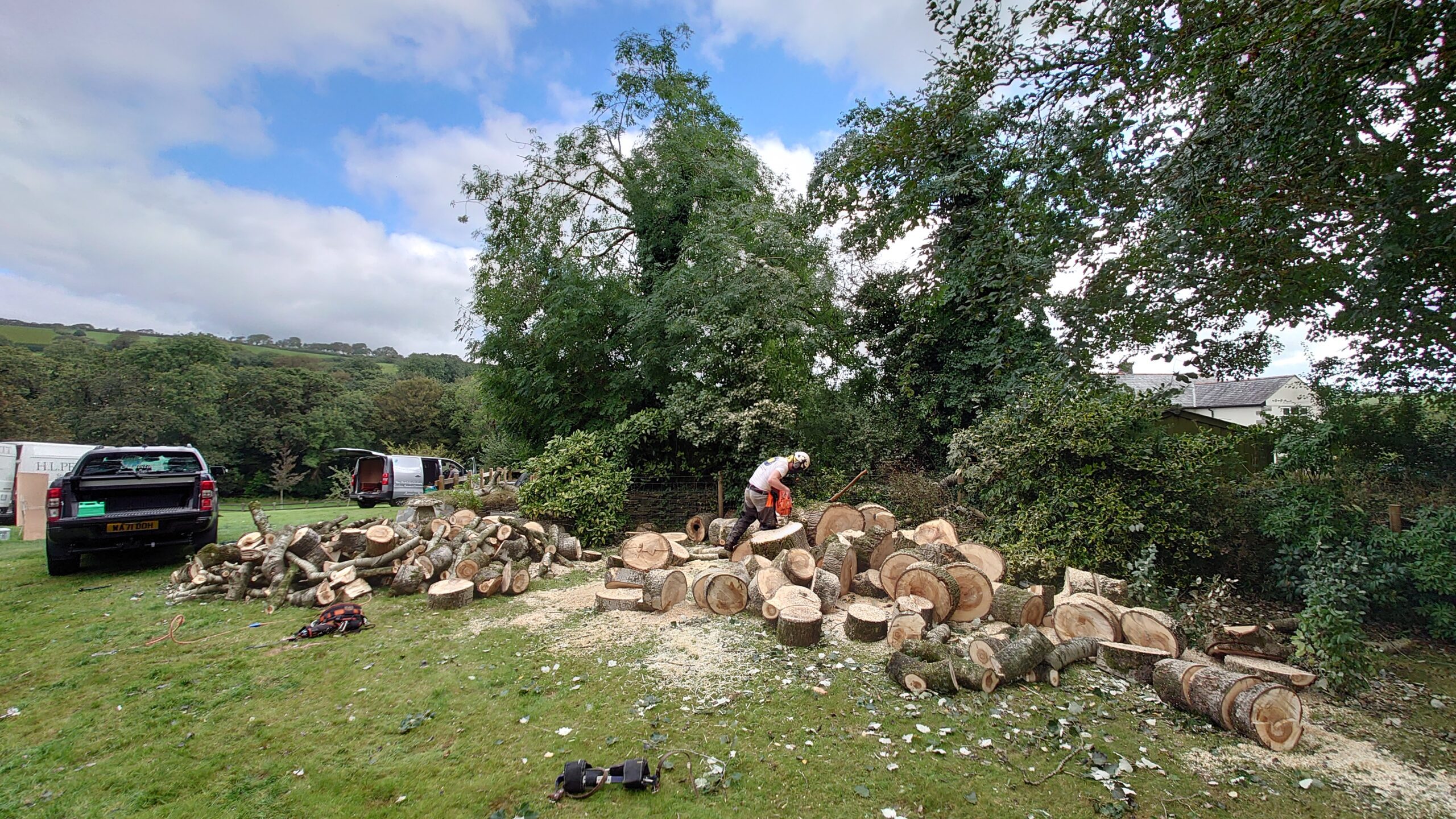
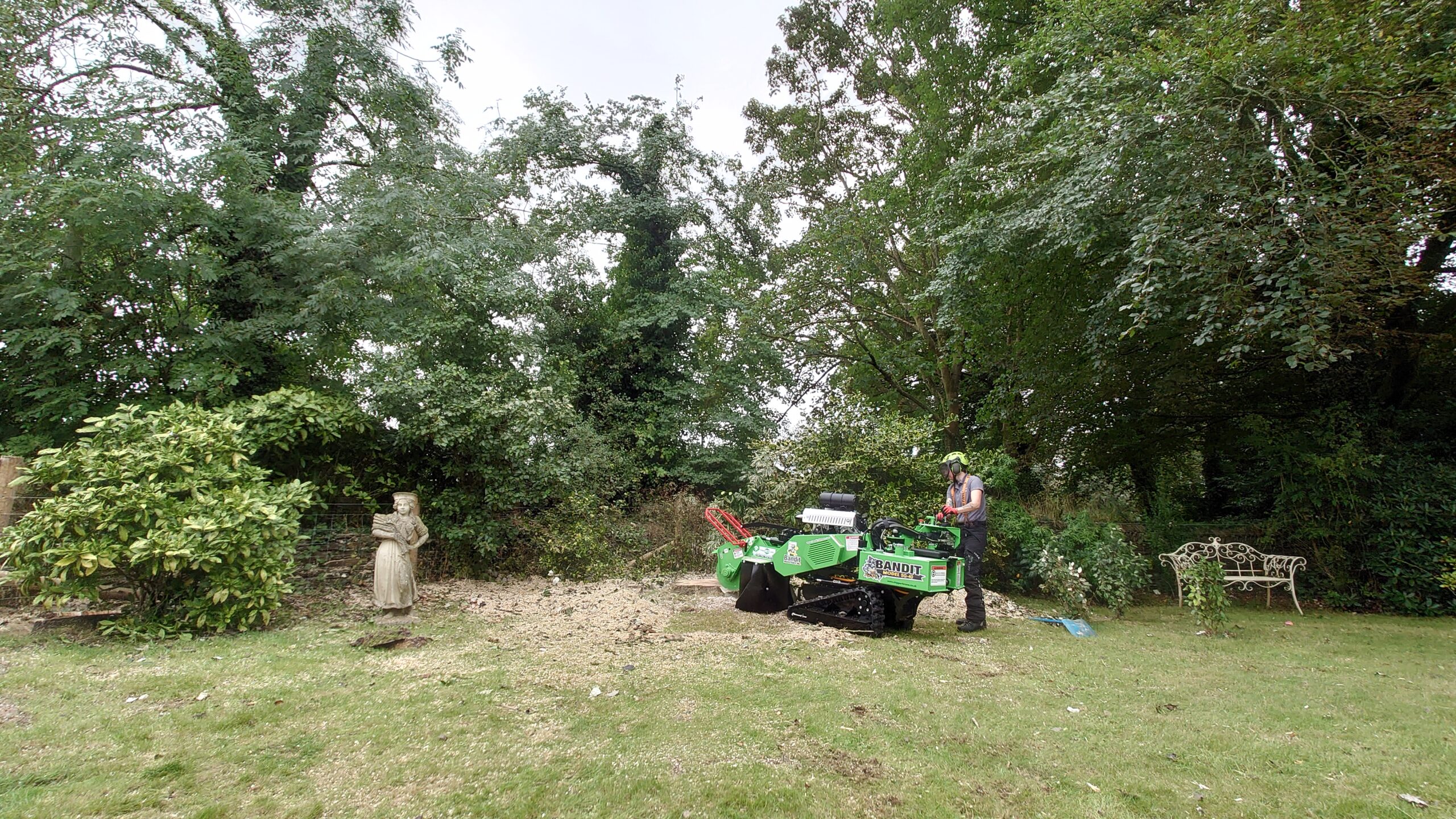
The work here included the removal of two large Poplar’s due to the damage to client’s home and high risk to neighbouring property. Sectional removal of the trees, safely lowering limbs to the ground utilising a rigging kit, and then logging all completed on site. All other tree material was chipped and left for client to later use on pathways. Final removal of tree was by way of stump grinding. We were also tasked to significantly reduce a large willow tree adjacent to a pond.
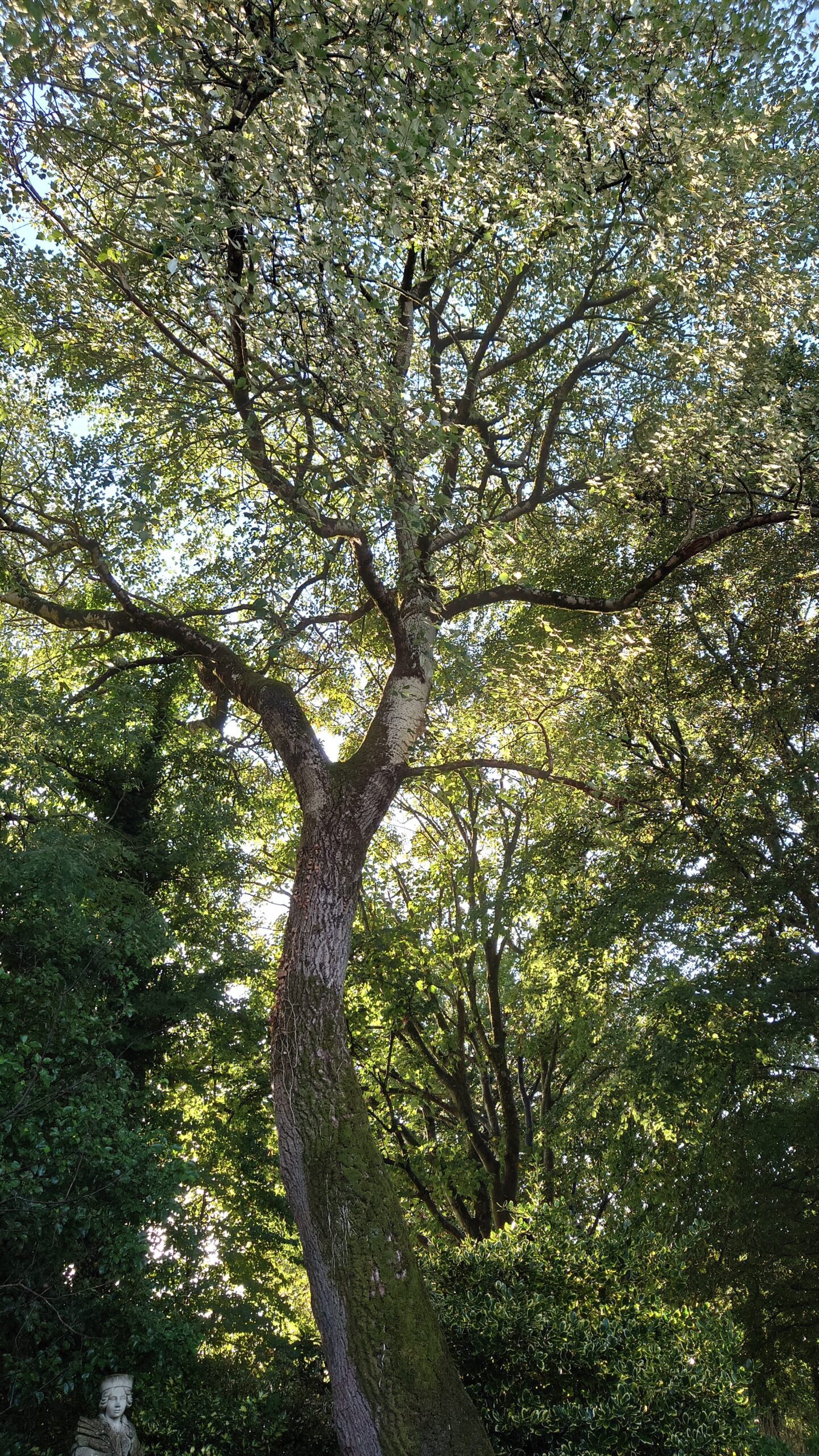


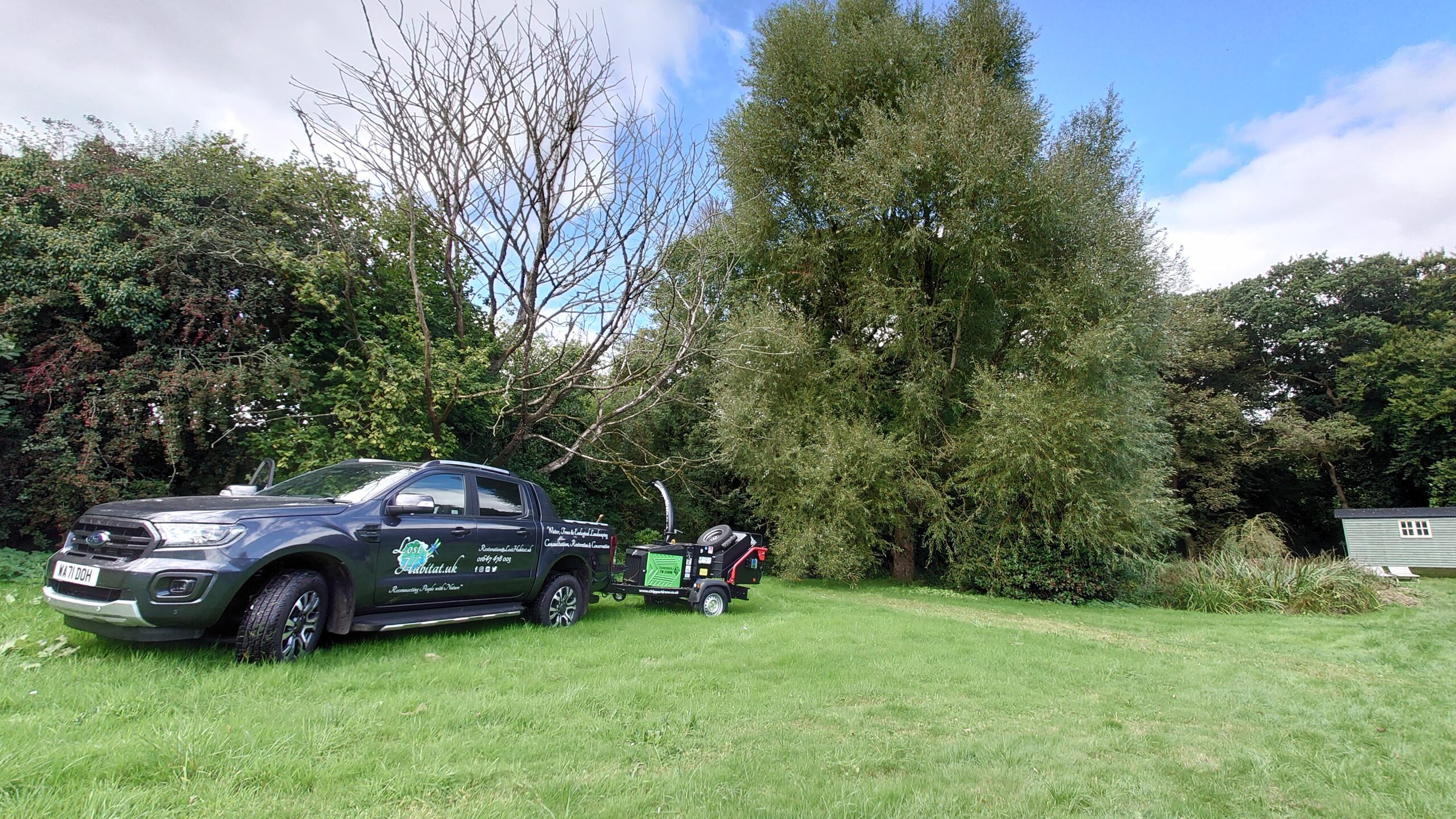
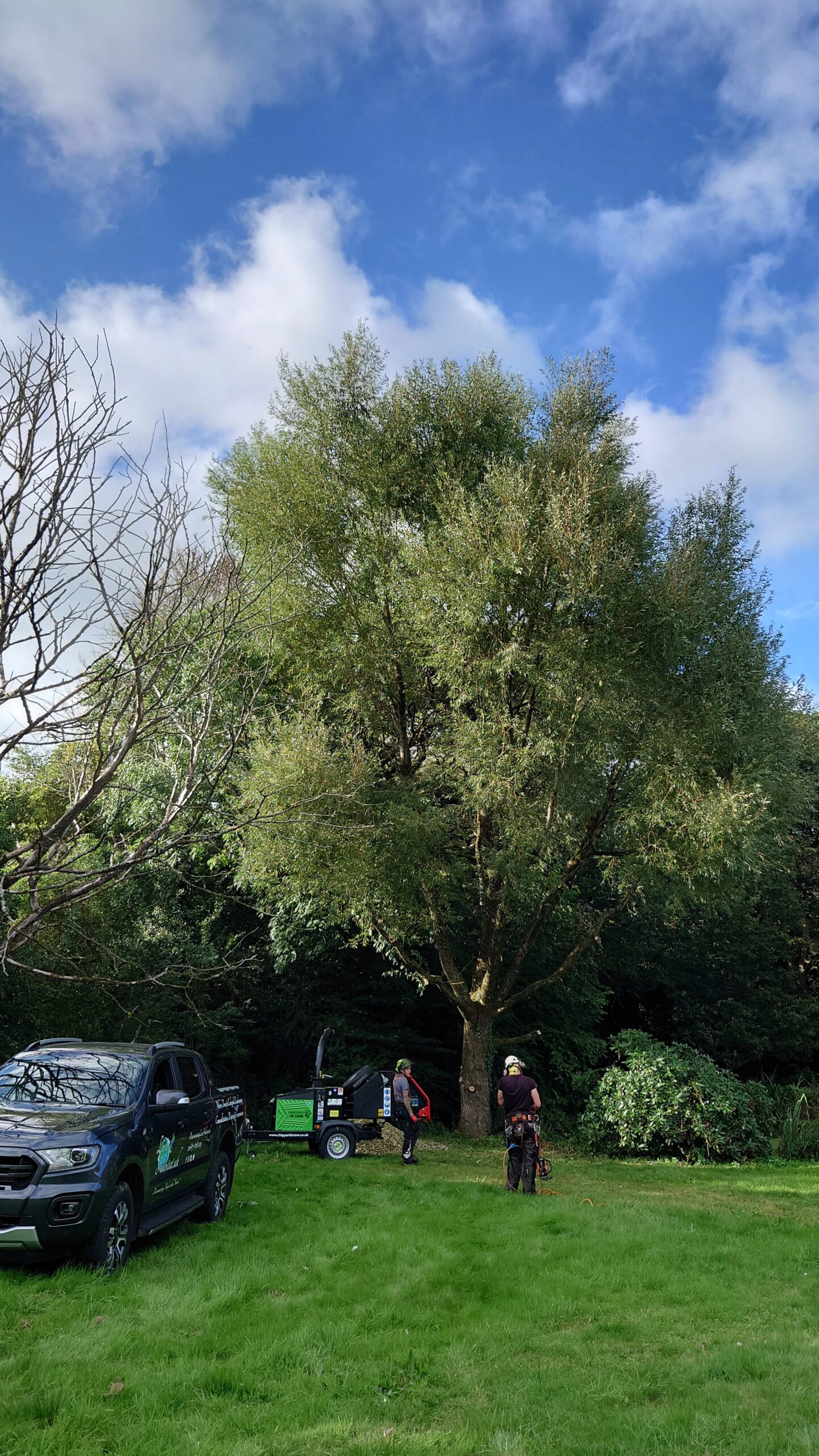
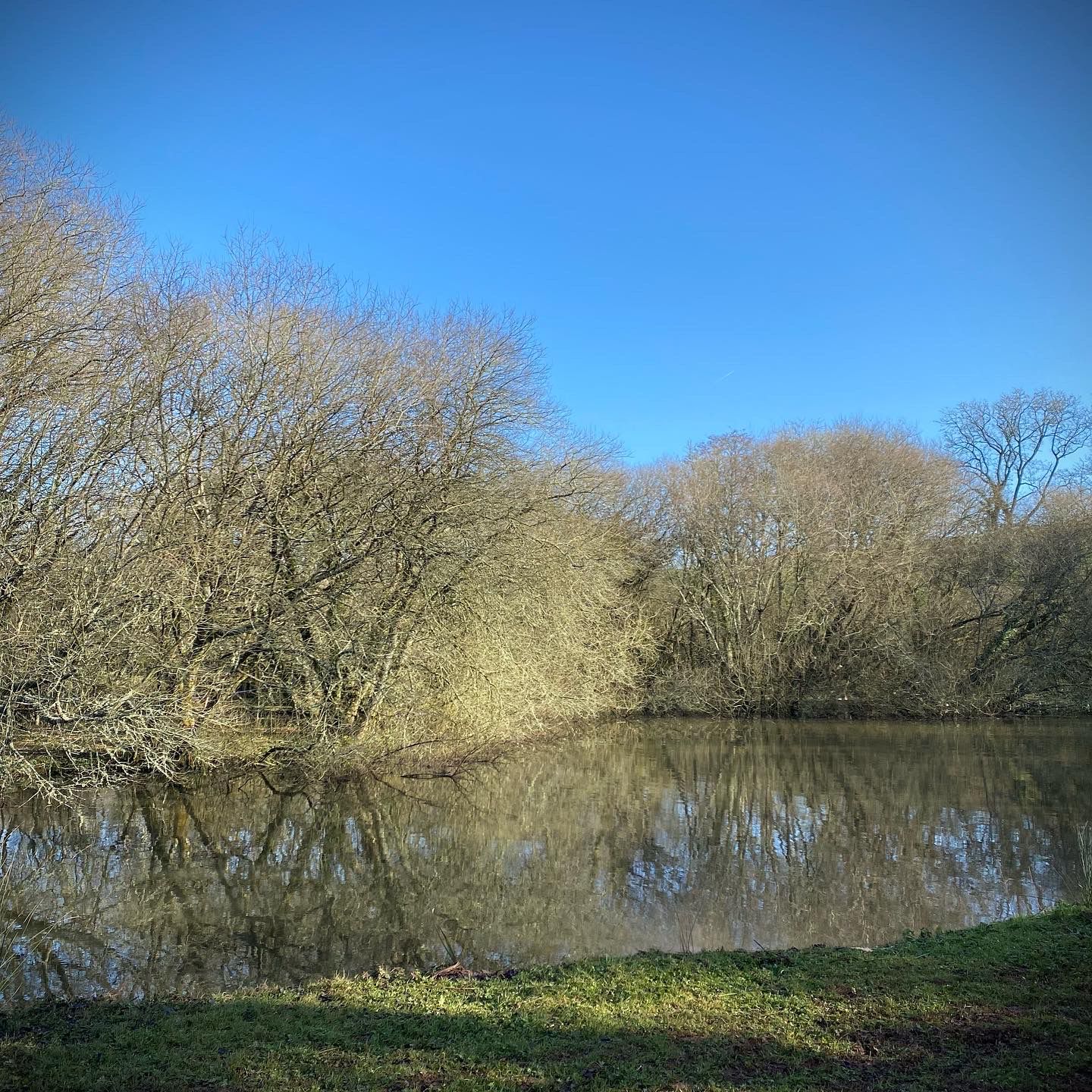
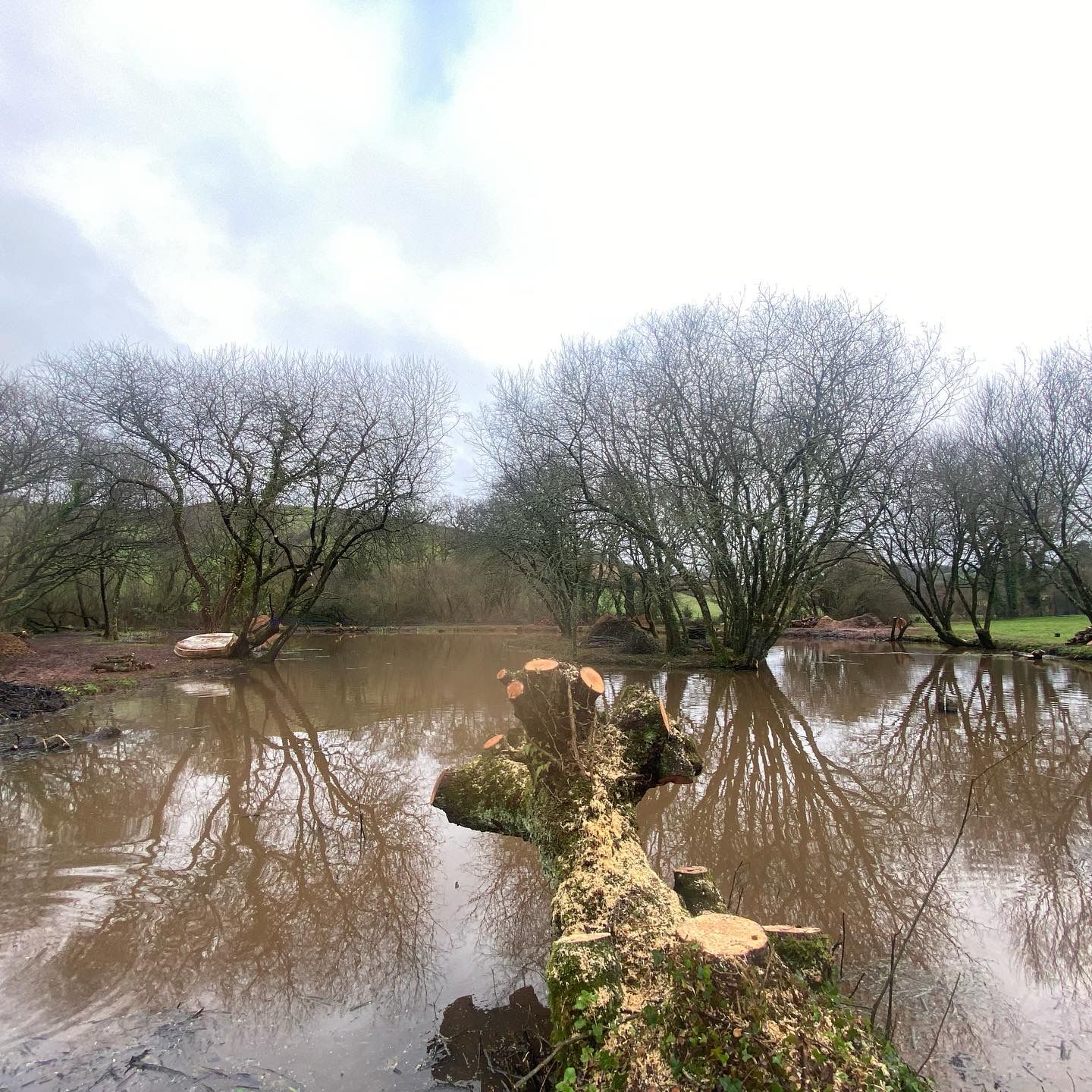
Willow does grow extremely well around water, and as part of our maintenance around ponds and lakes in Devon, we will continue to preserve the trees by way of pollarding, this will also assist the water body and plants, both terrestrial and aquatic, to grow around the banksides and marginal areas by increasing light, aiding habitat and water quality. Some of the cut timber will be used to create habitat refuges for wildlife such as frogs, toads, and newts.
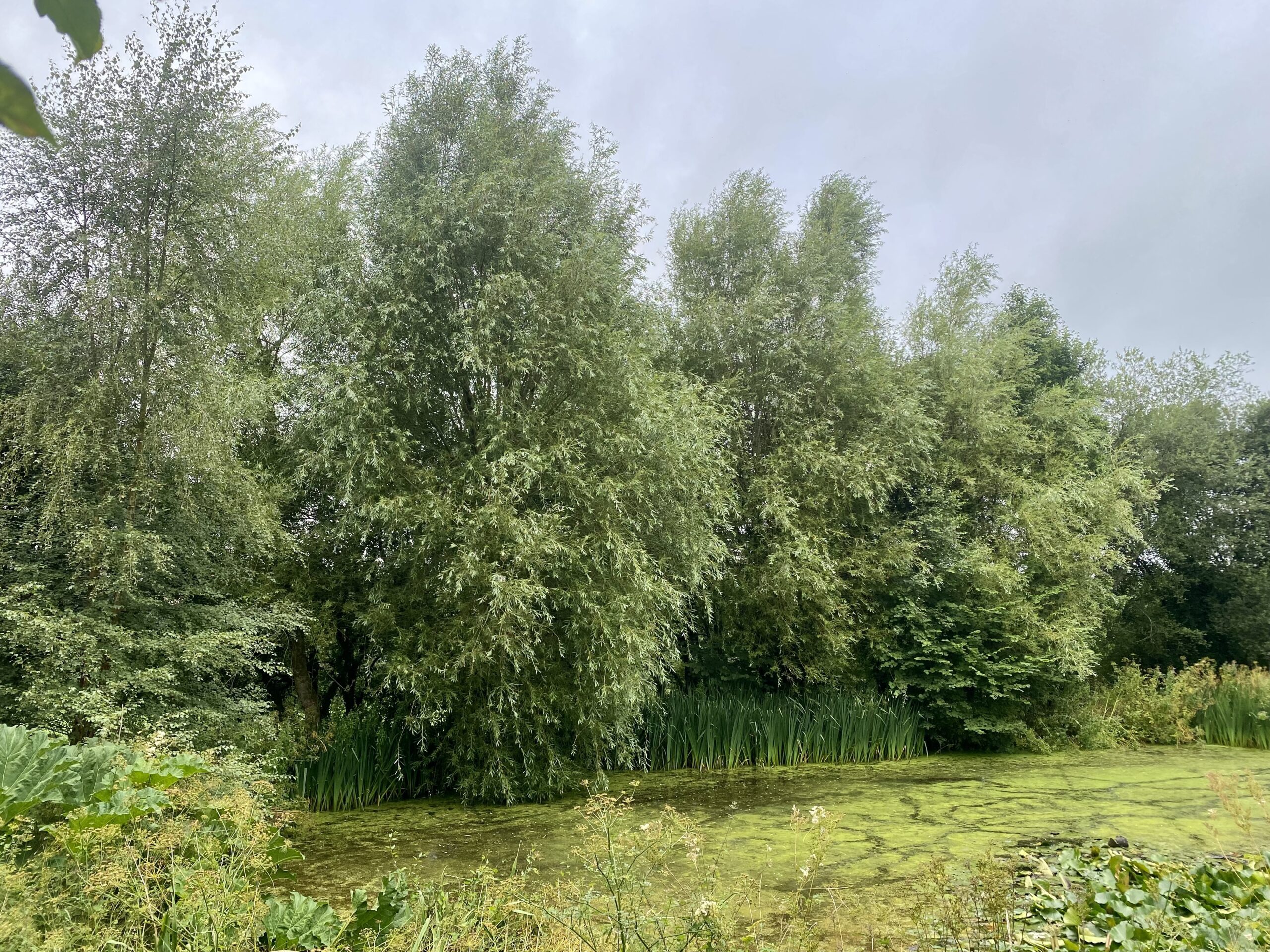
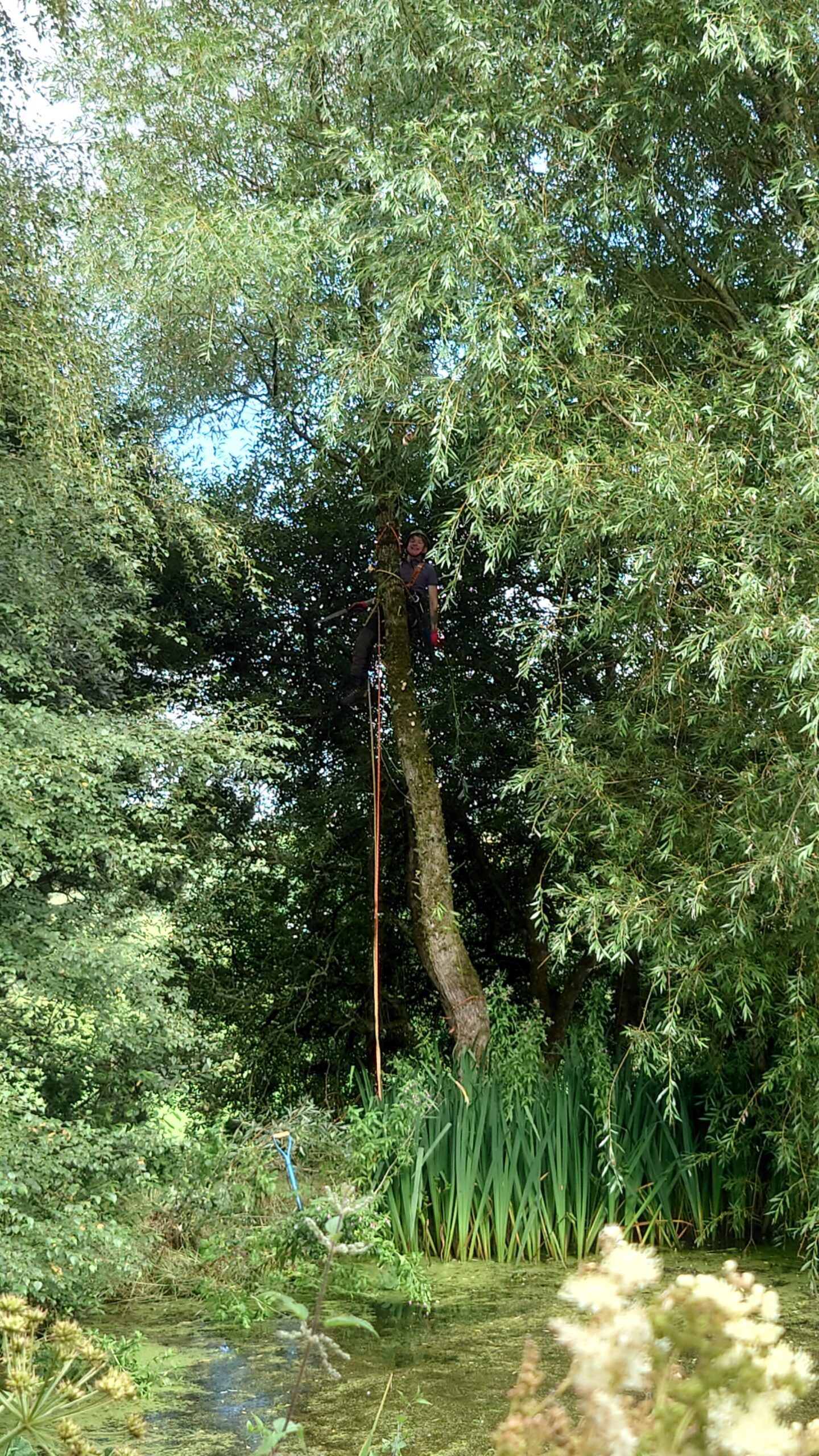
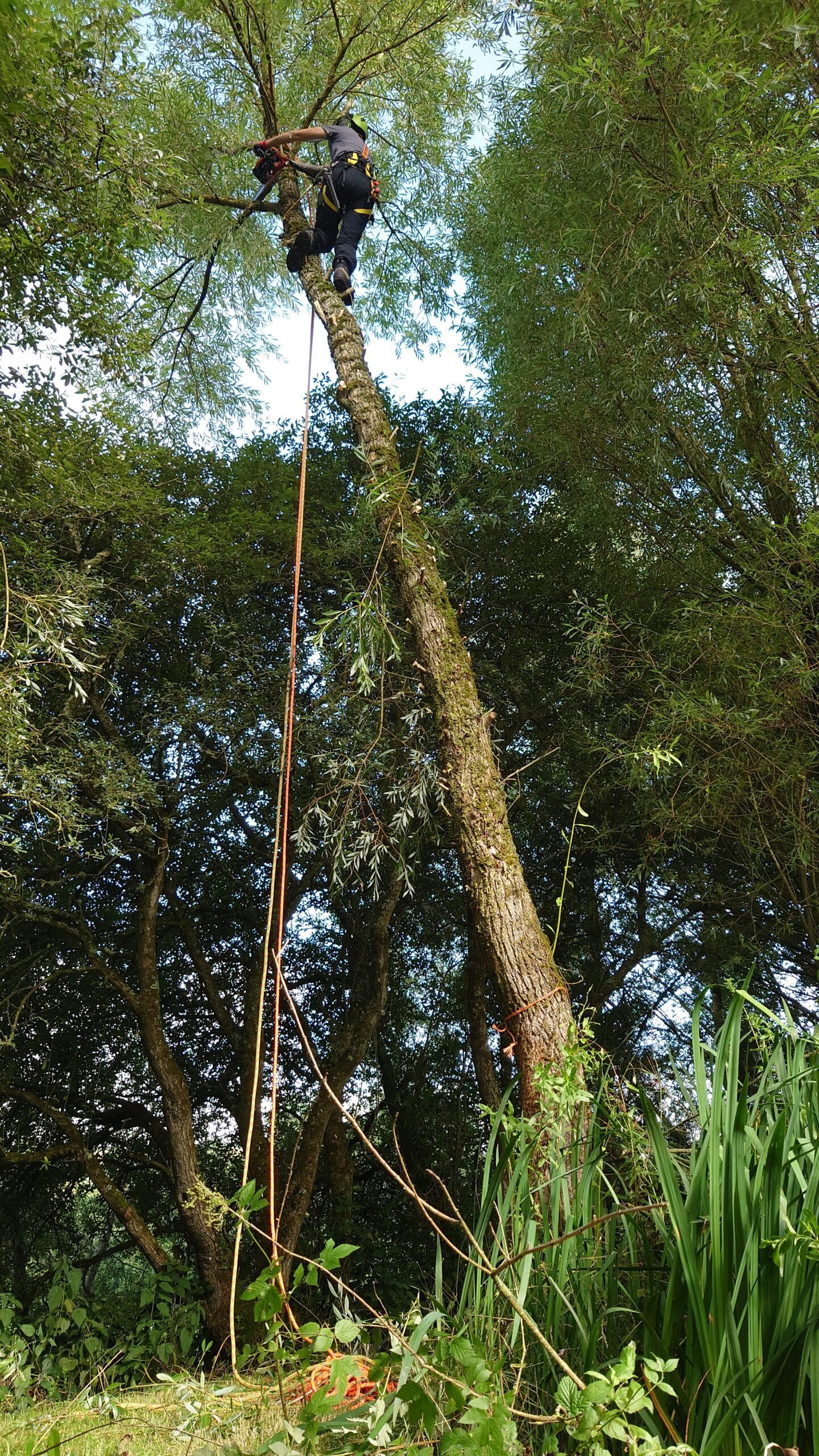

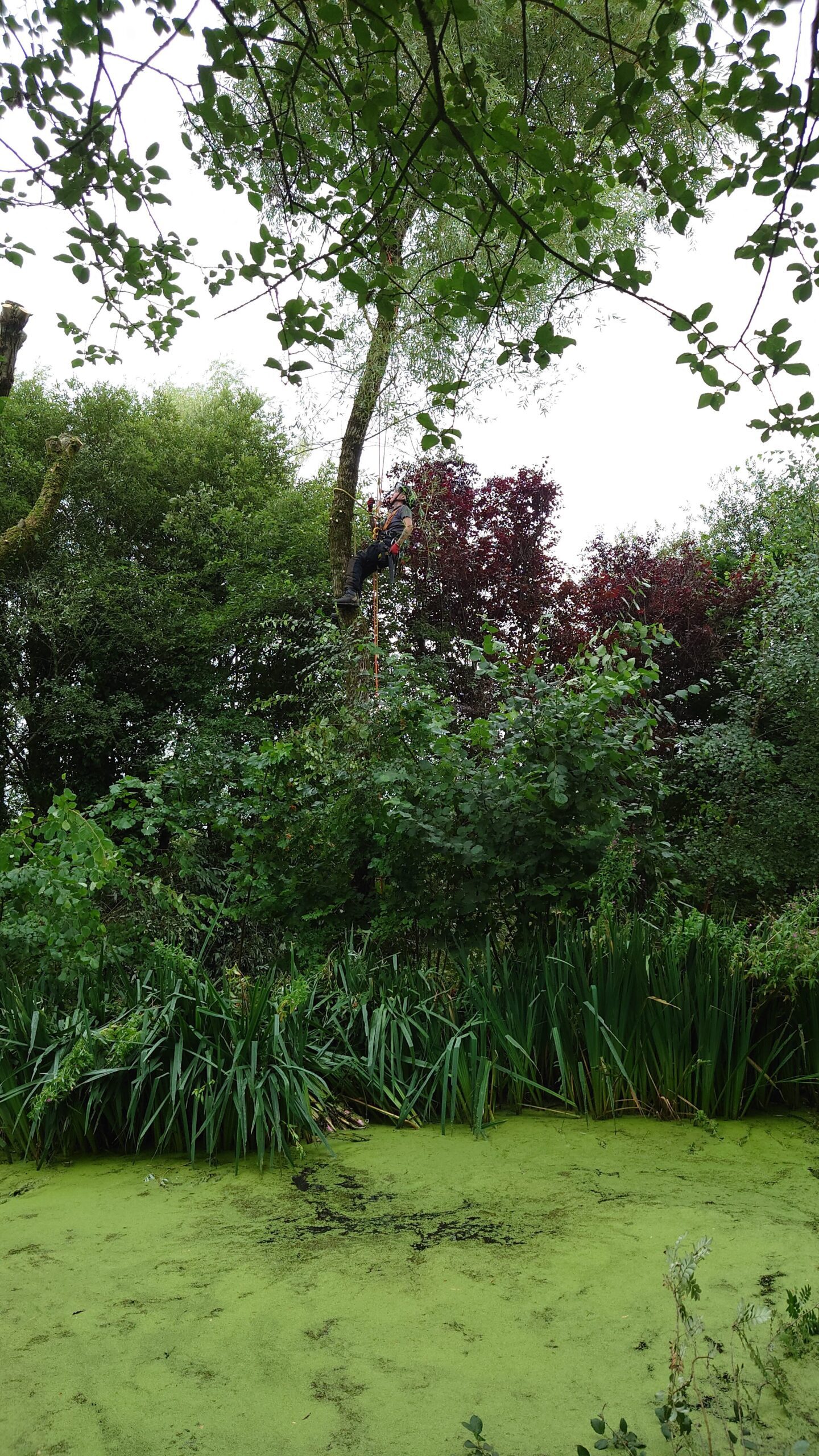

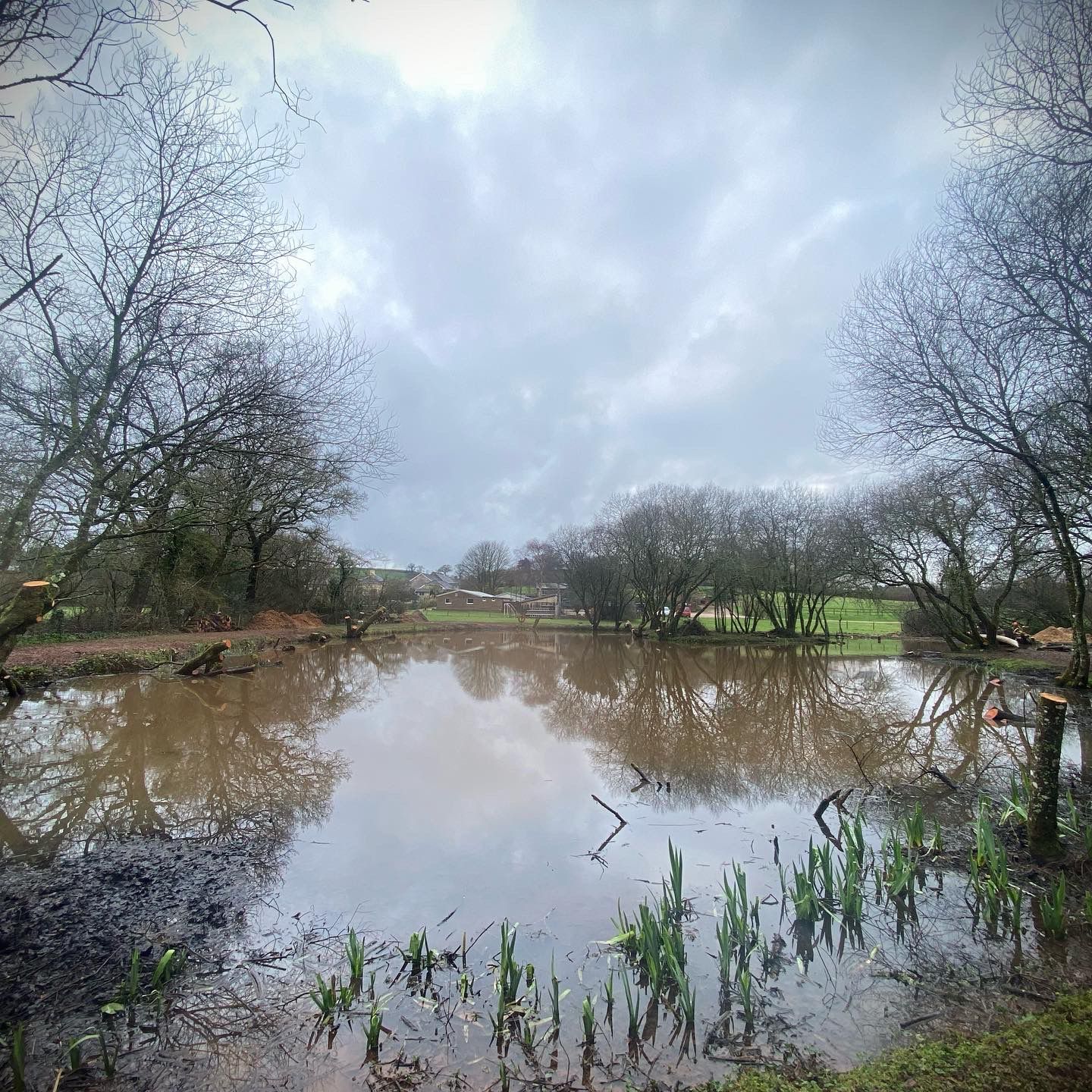
Another example of willow becoming invasive around the perimeter of ponds and lakes. This project involved some very heavy reductions and removal of willow trees around the bankside to allow for more light, benefitting the ecosystem, also allowing for users of the lake to fish.